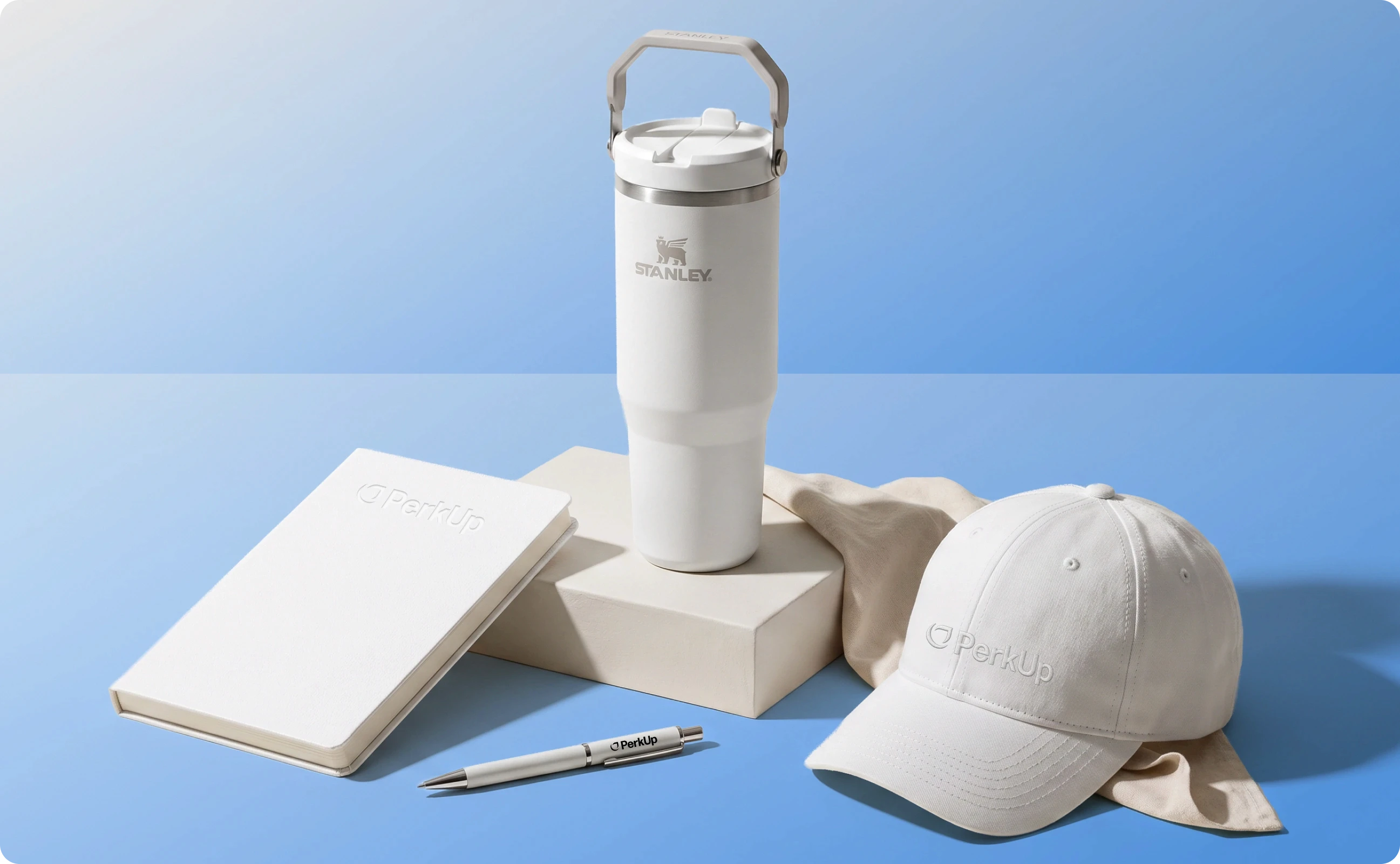
Someone on your team wants Stanley tumblers for the leadership offsite. Someone else needs 400 water bottles for a conference booth and couldn’t care less what brand name is on the swag. While both are right and reasonable, they’re solving different problems.
When building your swag campaign, picking between brand and no-name items is only one of the many things you need to consider. Aside from the usual logistics (like warehousing and shipping), what else matters is your recipients and the swag item’s use cases.
So, in this blog, we’ll discuss what you really need to know about name brand swag and no-name items, and which one you should pick for your specific swag needs.
What is name brand and no-name swag?
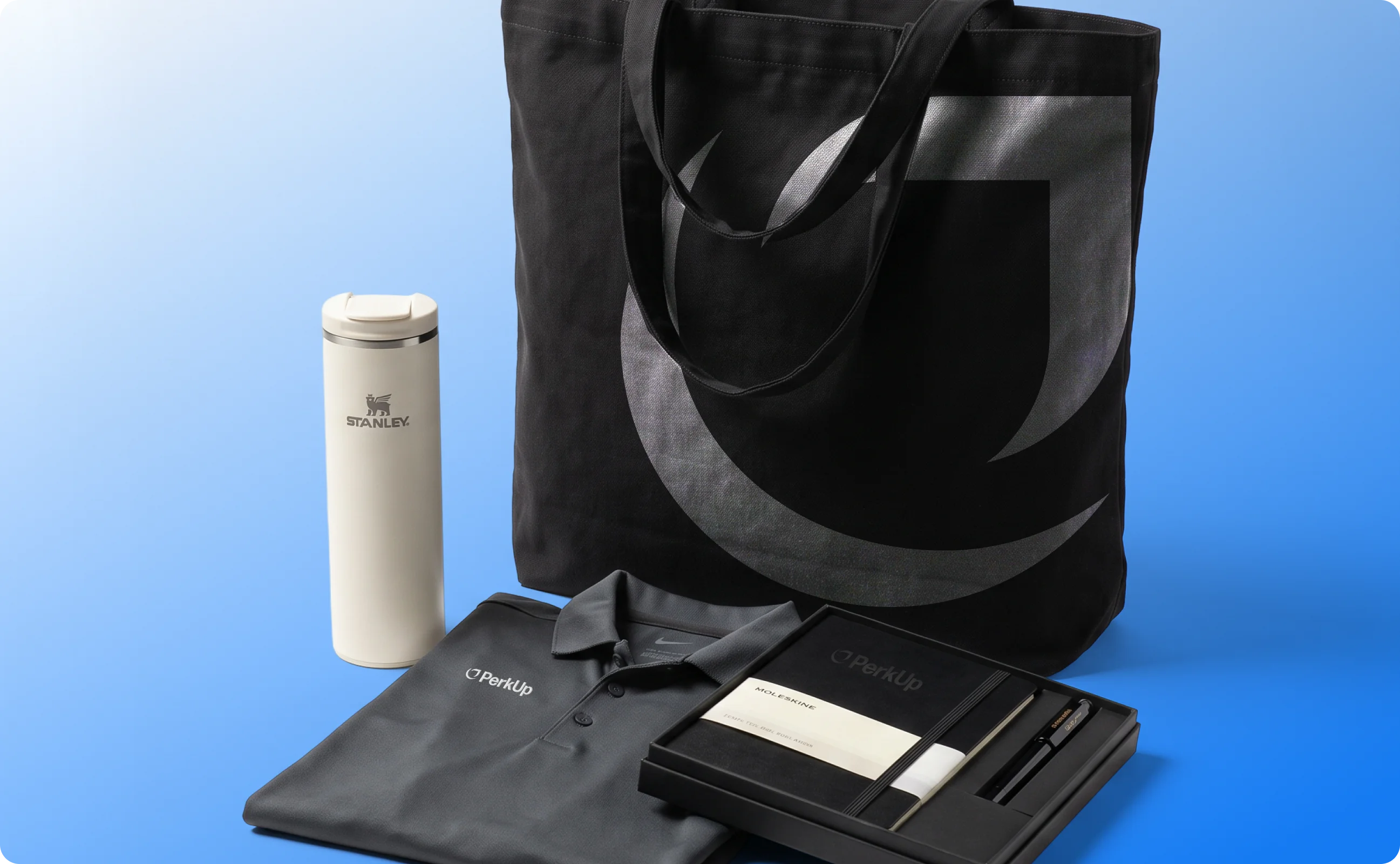
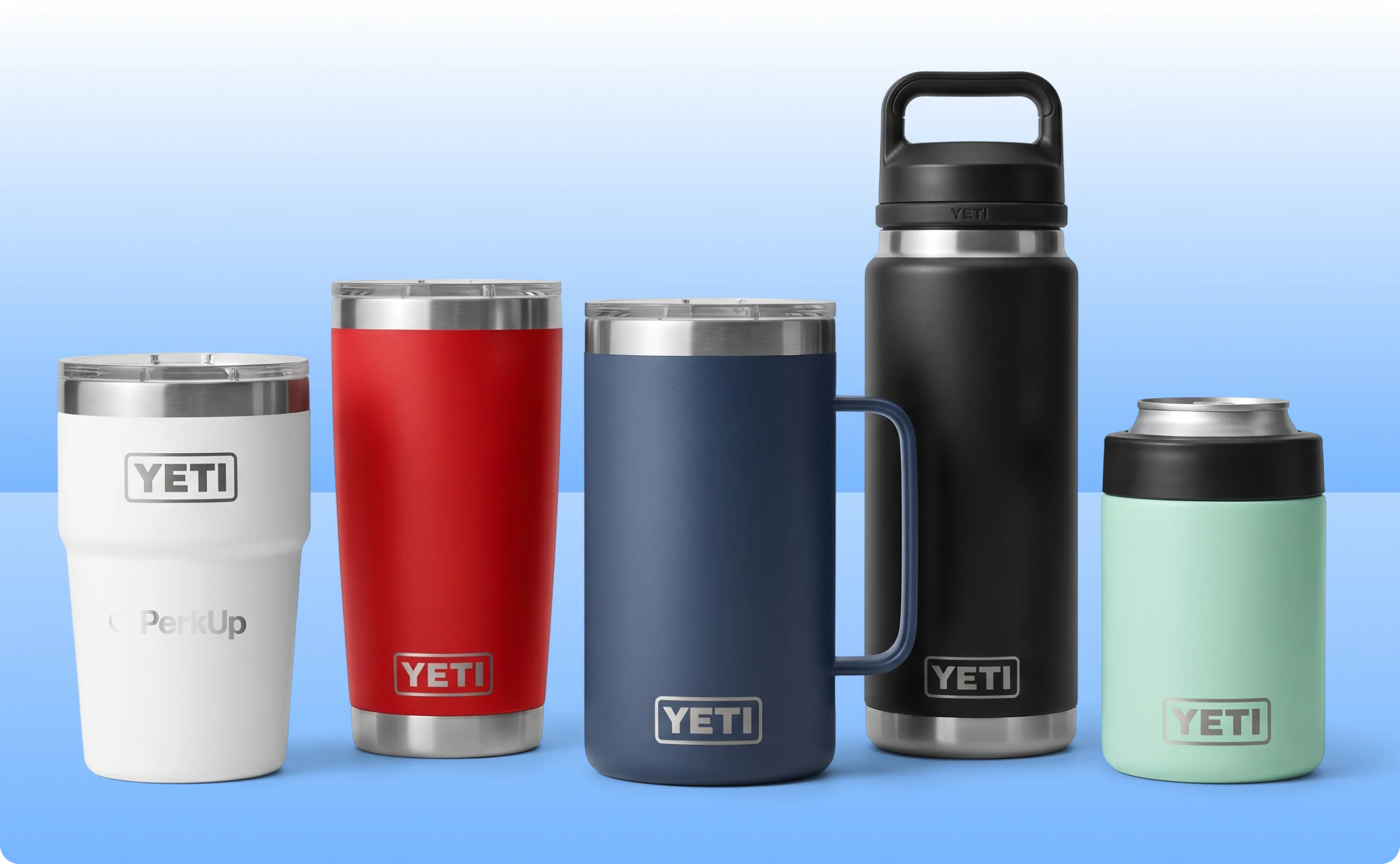
Name-brand swag items are those with a recognizable retail product that you add your branding to. Let’s say, for example, you buy a YETI tumbler, and you have your company logo laser-engraved on the side. That’s a name-brand swag. Essentially, what you’re doing is borrowing the retail brand’s name to boost yours.
On the other hand, no-name swag skips the retail label. For this, a supplier will source and manufacture your swag, and your company logo is the only branding your recipients will see. You might also see it called white-label. In many cases, for no-name swag, you can still get the same basic materials and construction, like double-wall stainless steel or a similar cotton weight, for less and without a retail brand name.
Do recipients actually care about the brand name on their swag?
The short answer: yes, but only to a point. Whether someone keeps your swag has a lot more to do with what the item actually is. Here's what makes the difference.
A recognizable brand does real work
A familiar label is actually a shortcut. Before someone has used the tumbler or put on the quarter-zip, they already have some idea of what it's worth. That's part of what you're paying for.
That said, you also have to know when to choose name-brand swag. If the corporate swag item is going to leadership, clients, or someone you're trying to impress, that extra brand recognition can make sense. For a 400-unit conference order, where the bottle needs to be useful, affordable, and easy to source, it matters a lot less.
Quality and usefulness still matter more
ASI's 2026 Global Advertising Impressions Study found that 55% of US consumers said quality would make them want to own a branded swag. Design came next at 50%. This means that a well-made unbranded item holds its own. If your recipient wouldn't have picked the item up in a store, the label on it won't save it.
Useful swag wins
The same ASI study also found that 78% of recipients keep corporate swag because they're useful. Nothing else came close. So, if your goal is to use swag to get your logo out there, then make sure the swag items you pick are actually useful.
That said, there are some swag categories where your recipients will care about the brand more than others. This mostly comes down to how often someone will use it. If your recipient is using the swag every day and can tell when something is badly made, quality matters a lot more. A broken zipper or dead battery is also the kind of thing they’ll remember, and that reflects back on your company.
That's where paying for a retail brand can make sense. You get more consistent quality, better durability, and usually some warranty support if something goes wrong. For items people use occasionally, or where the idea matters more than the construction, the brand doesn't carry as much weight. A good notebook doesn't need a famous label, and neither does a fun event giveaway.
The next two sections break down where the brand is worth paying for and where you can save.
When to Pick Name Brand Swag vs No-Name Swag
Honestly, there’s no universal answer. The right choice depends on who gets the swag and what the occasion is. Despite that, though, here are some use cases when it makes most sense to pick one over the other.
New hire onboarding: mix both
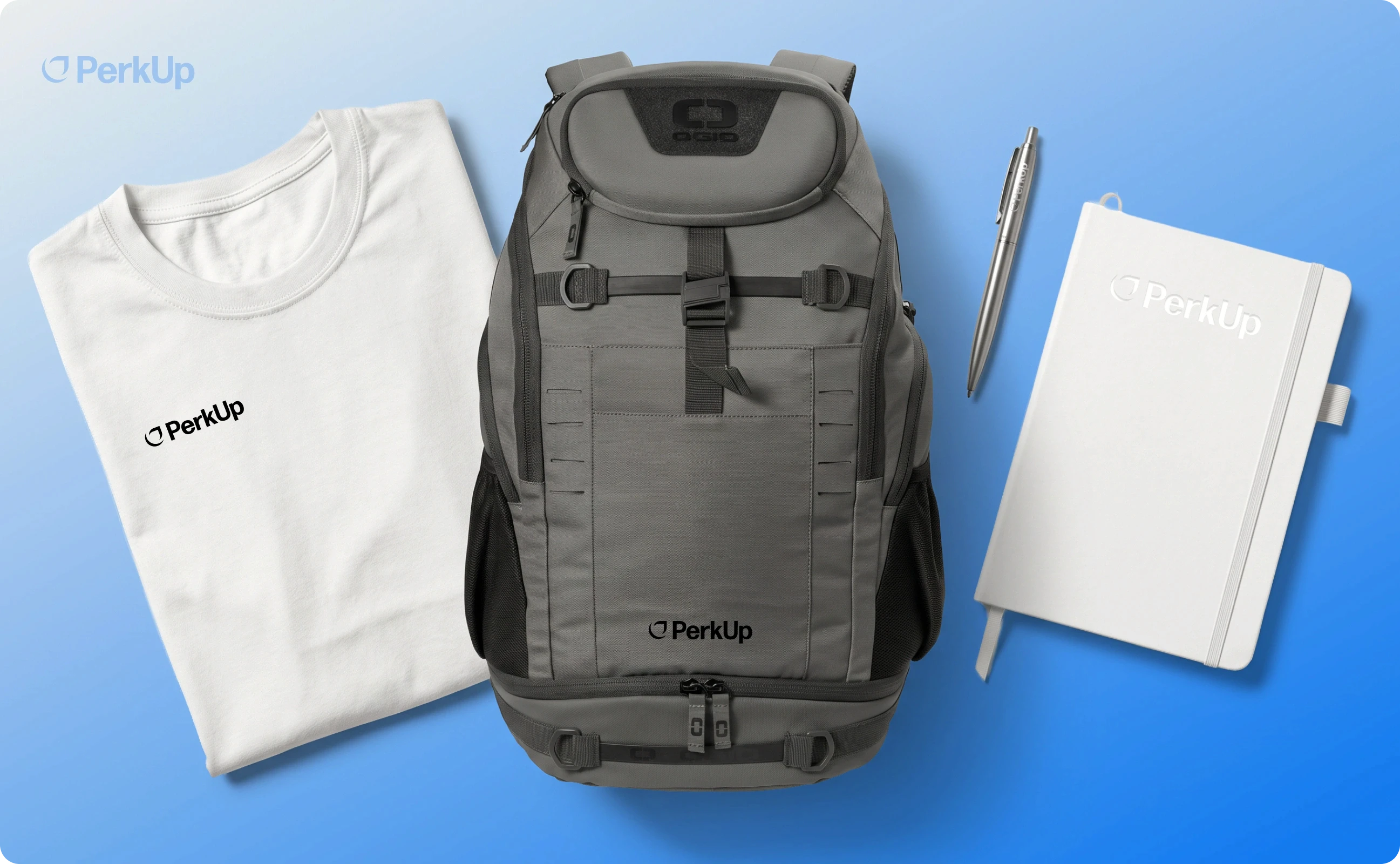
Mix name brand and no-name swag. To do this, use one recognizable brand swag as the anchor and fill the swag kit with well-made unbranded items. The branded swag gives your kit an immediate sense of value, while the other ones give you more room to customize the experience without going over your budget.
Client and executive gifting: name brand
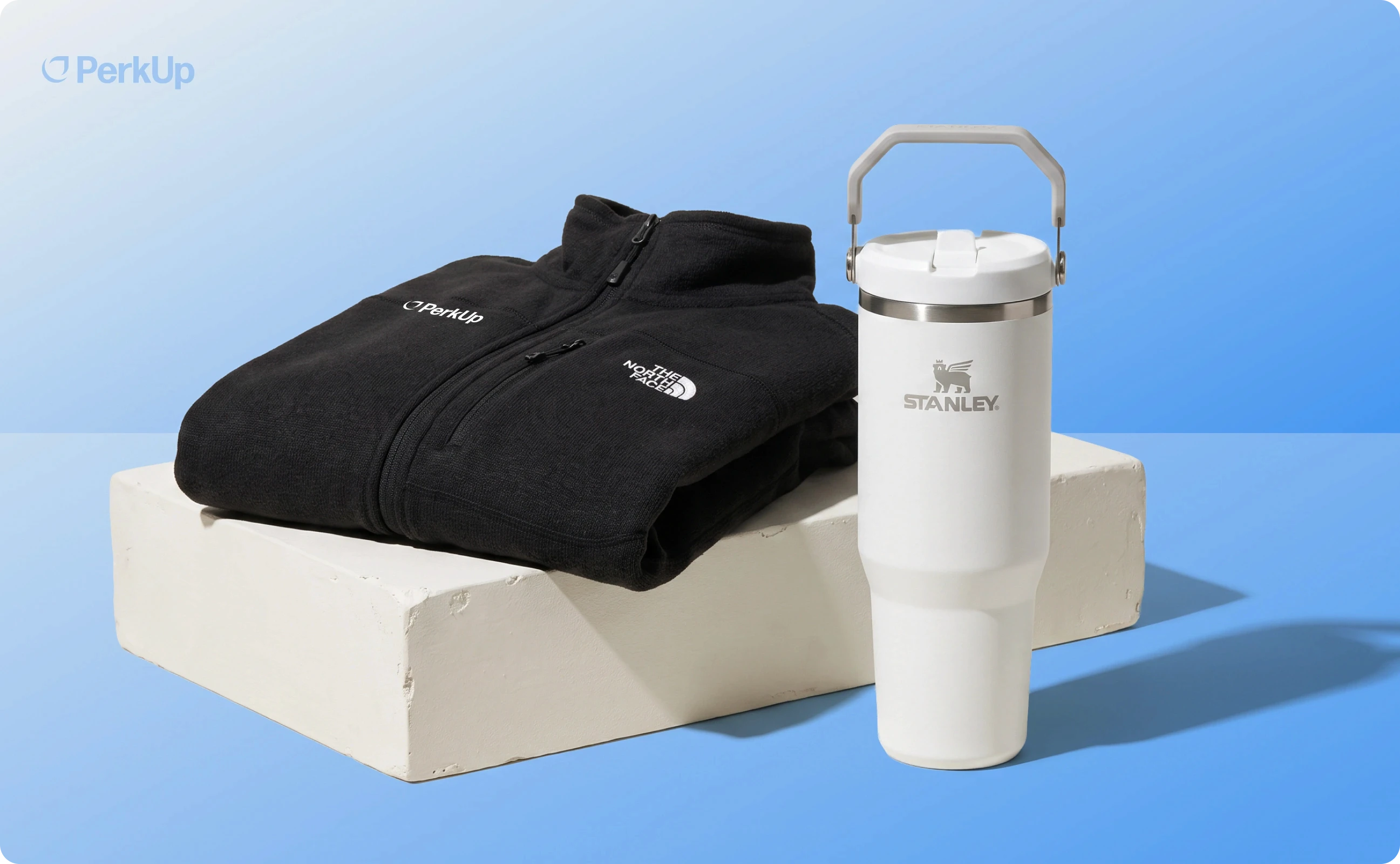
Go for retail brands here. The reason why is that your clients and executives have high expectations of the swag they’ll receive. If you want to impress them, make sure to go for items that have high-quality and recognition.
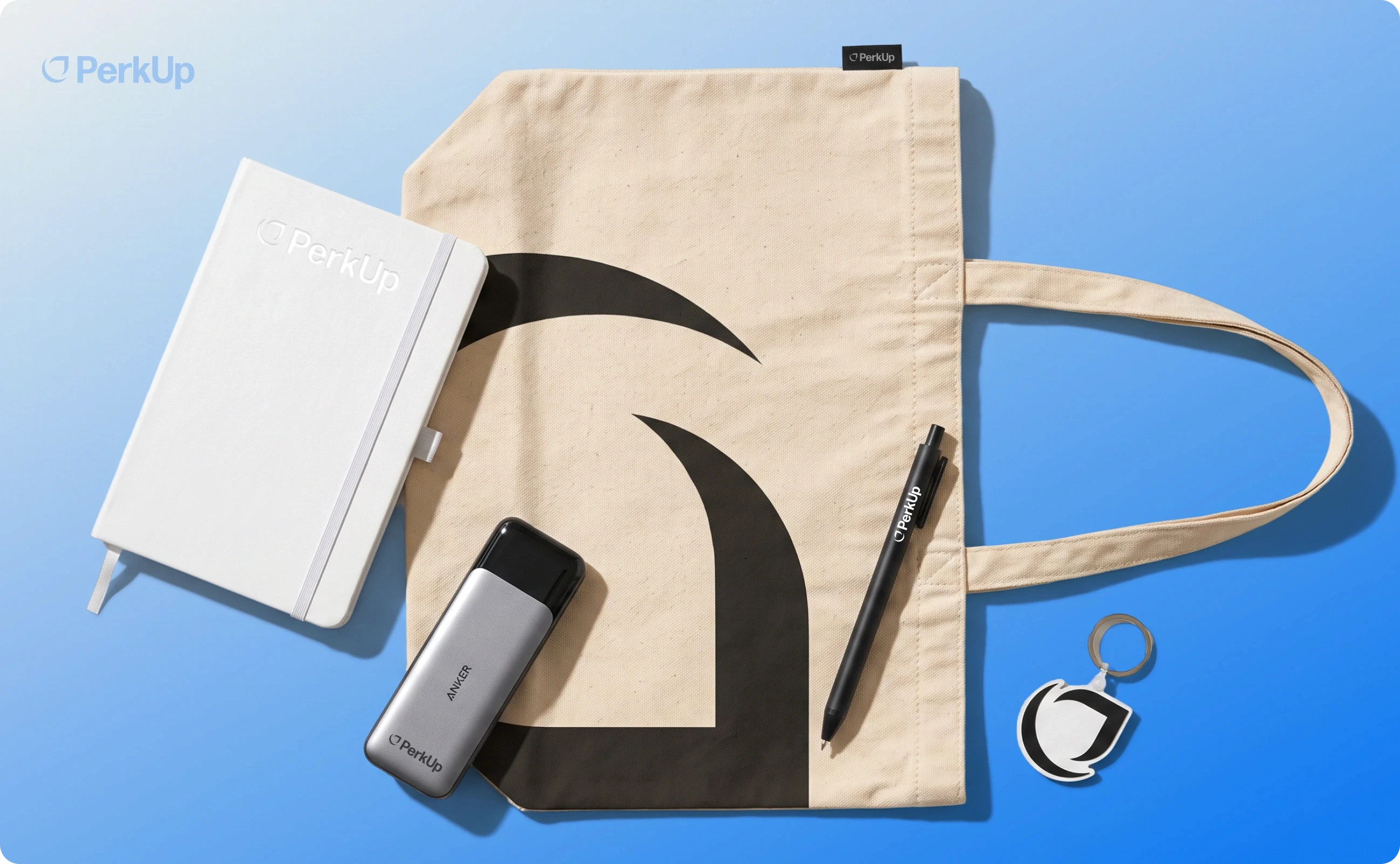
Choose no-name swag items when you’re ordering hundreds of swag items for recipients you may only interact with for a few minutes. Instead of using your budget for recognizable brands, put it into better materials or more orders.
Team offsites and retreats: mix both
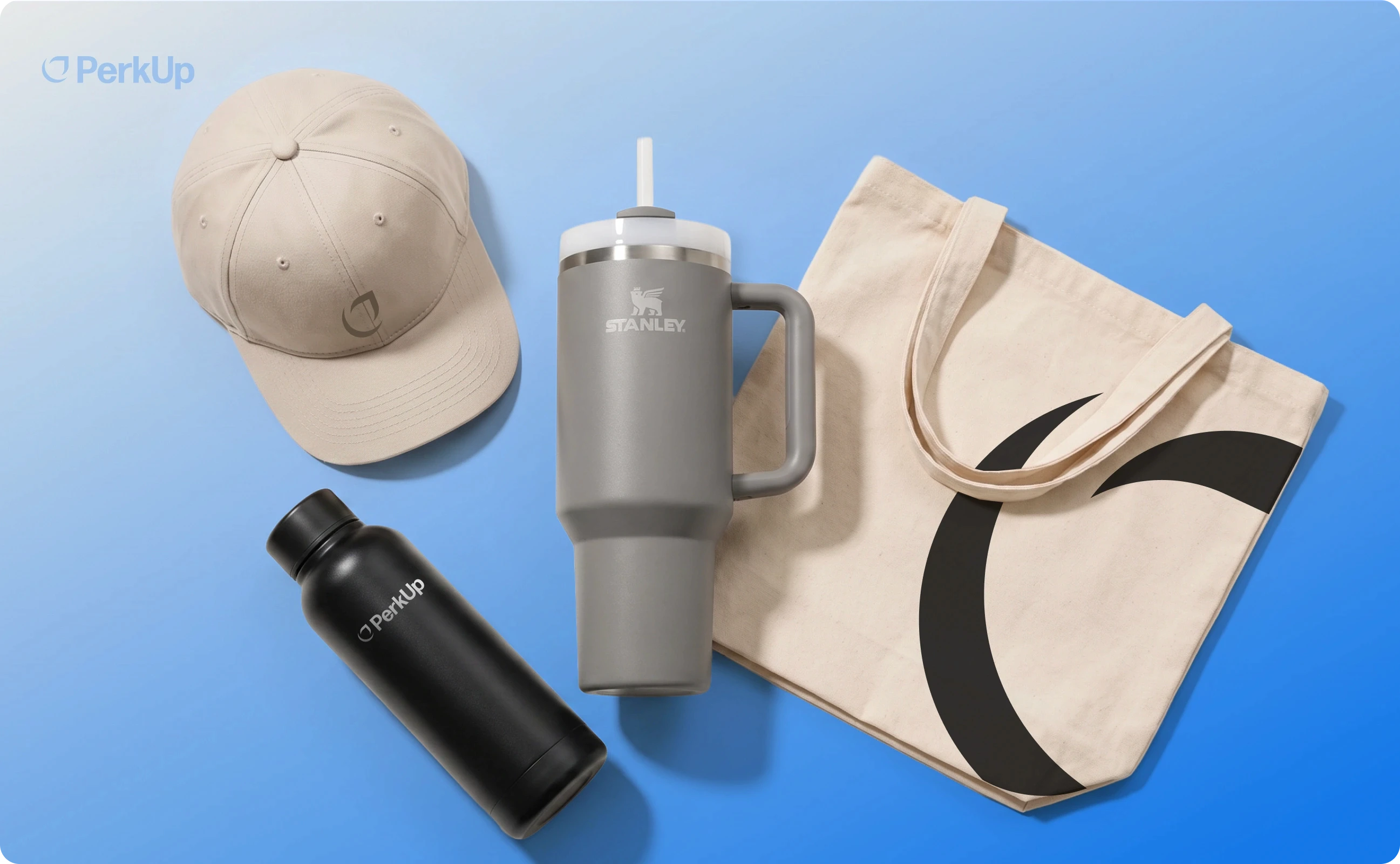
Use both name-brand swag and no-name swag for offsites. Similar to new hire onboarding, you can build your offsite swag around one anchor item and other useful and high-quality swag. Just make sure to avoid anything bulky!
Milestone and anniversary gifting: match the tenure
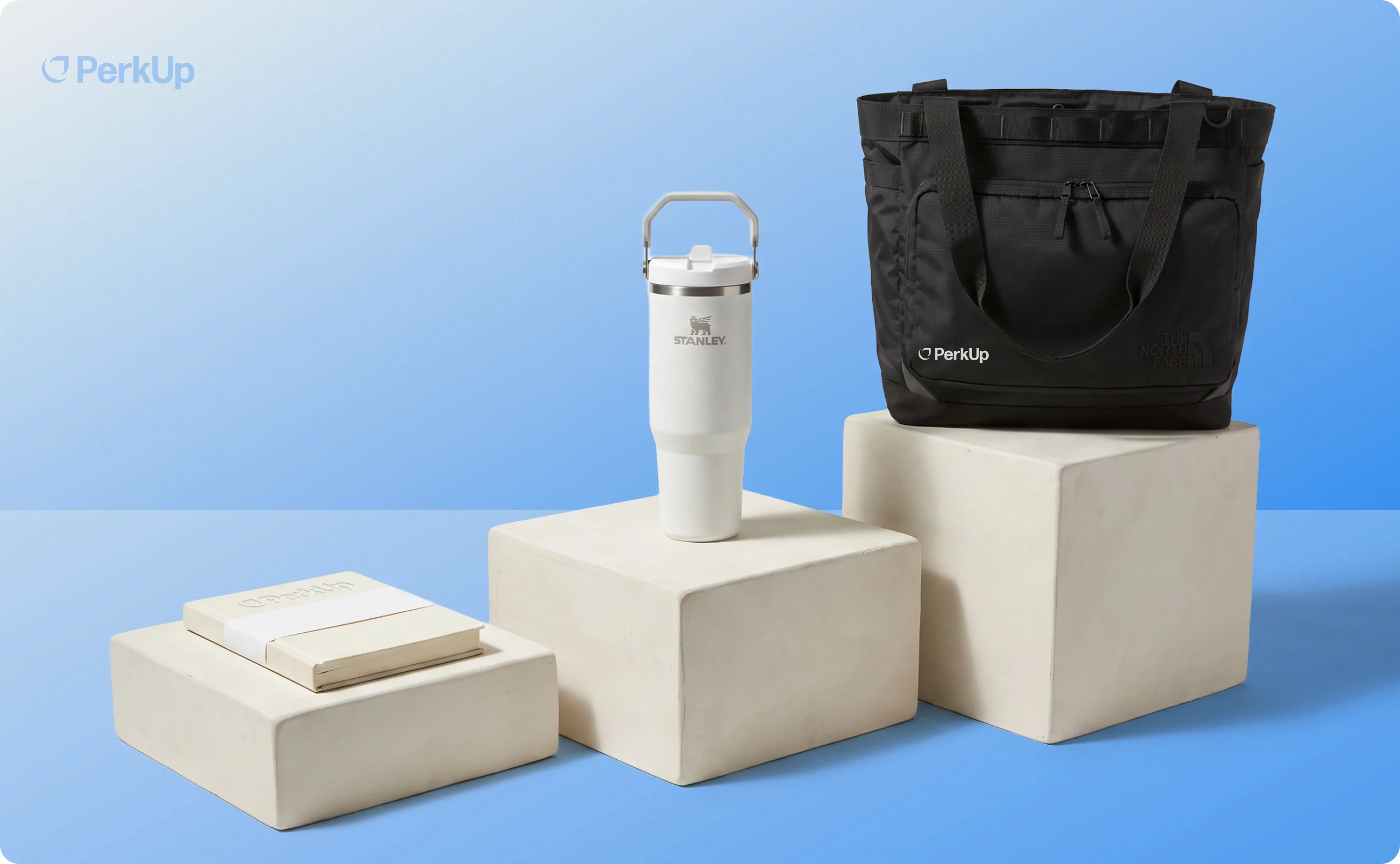
This is the use case where it really depends. For instance, a one-year anniversary doesn't need a YETI or Patagonia to feel meaningful. On the other hand, five- and ten-year anniversaries are different since they’re bigger moments, and recognizable brands are more suitable for such occasions.
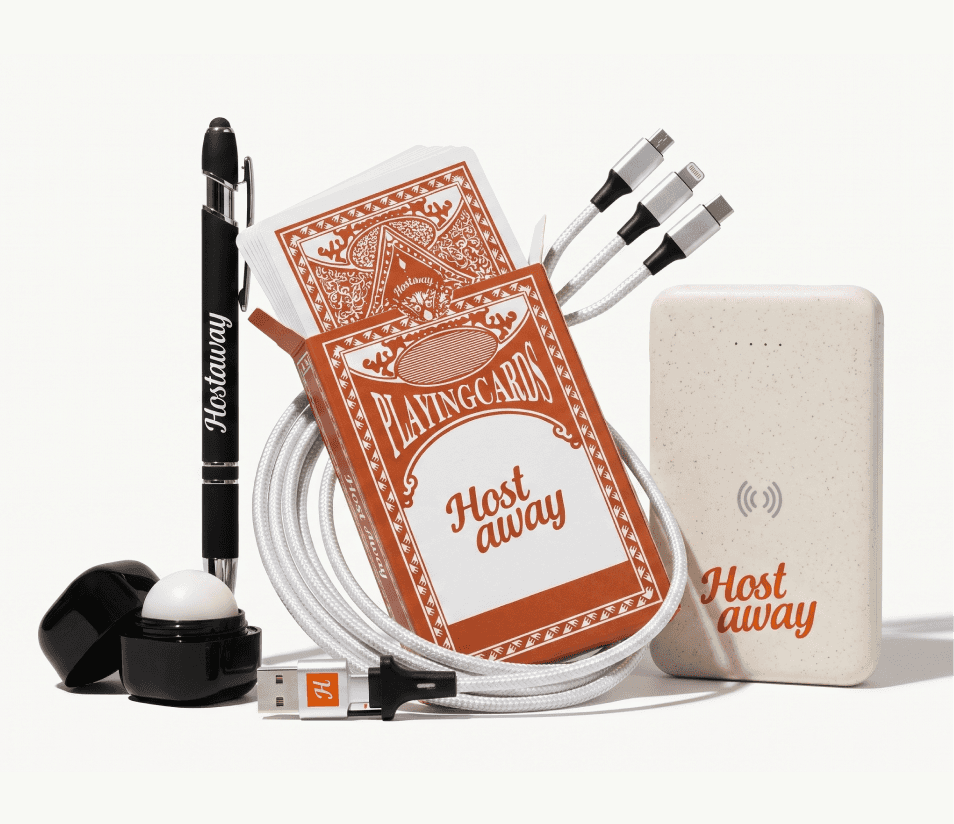



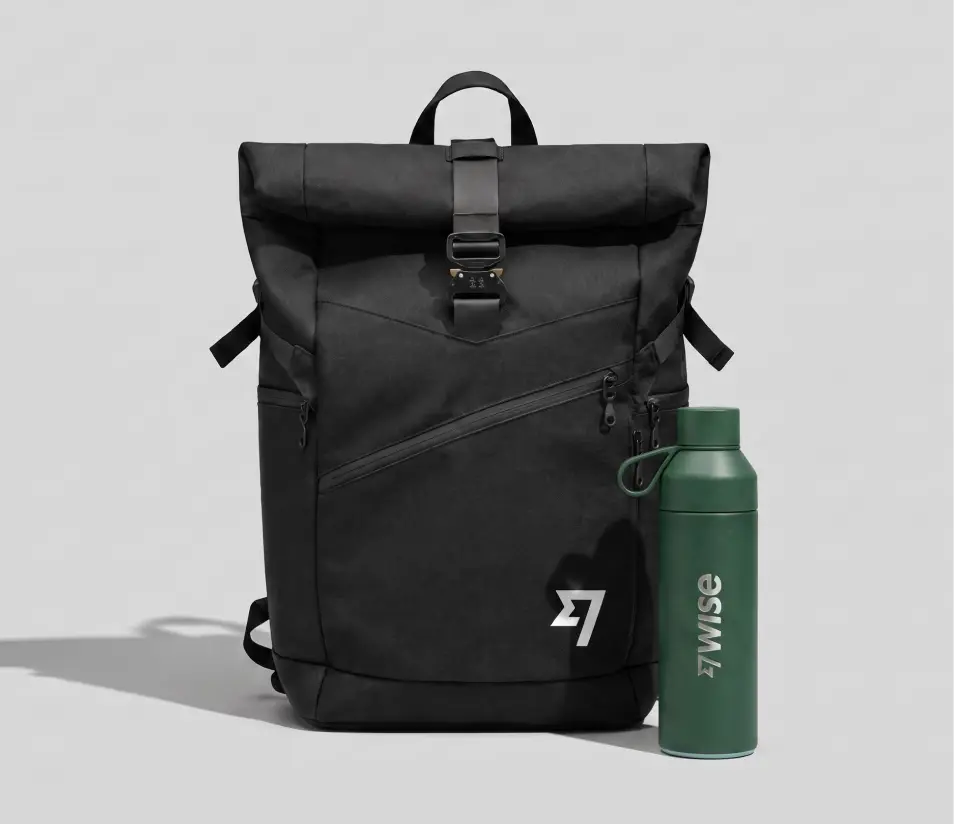

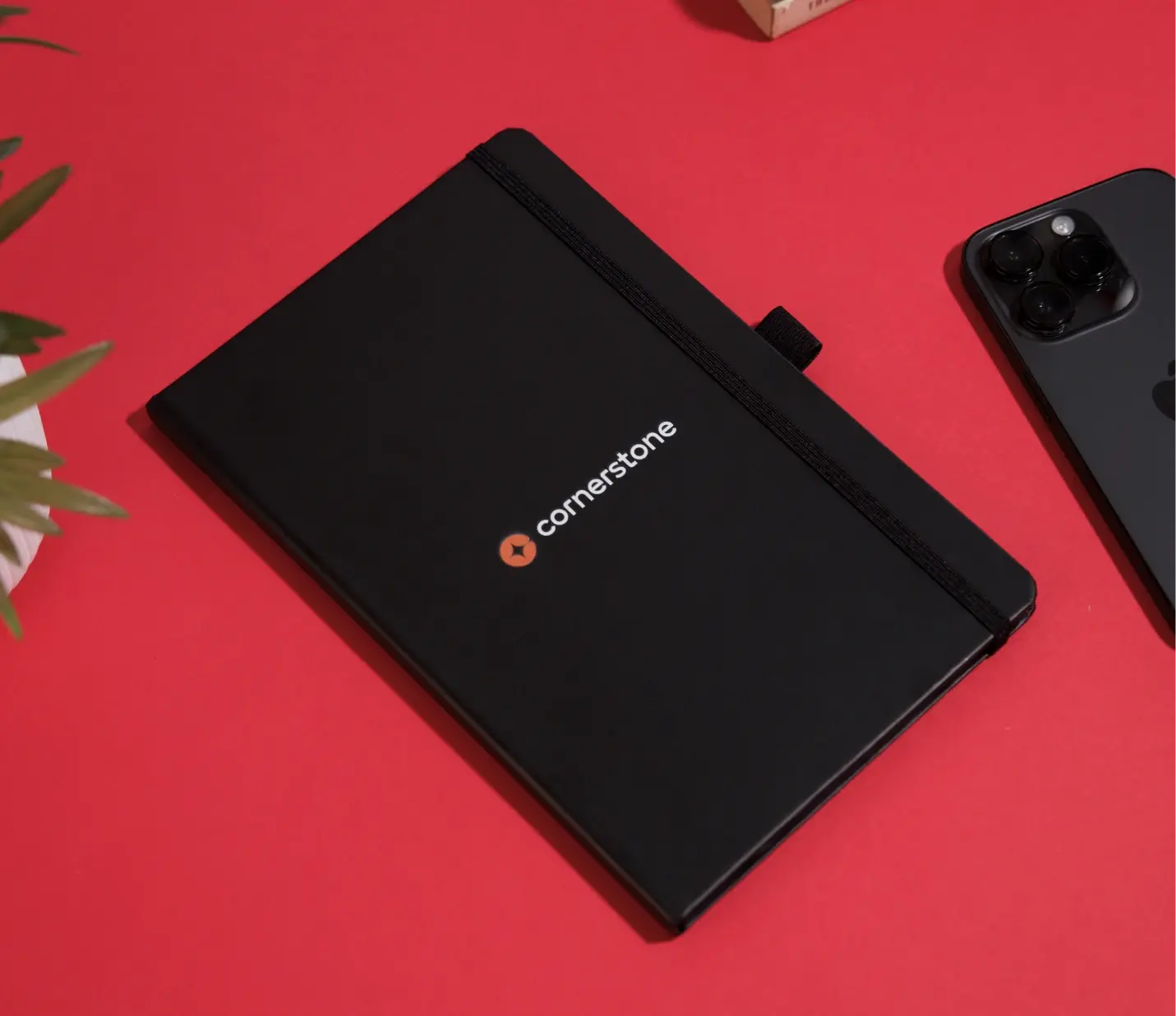



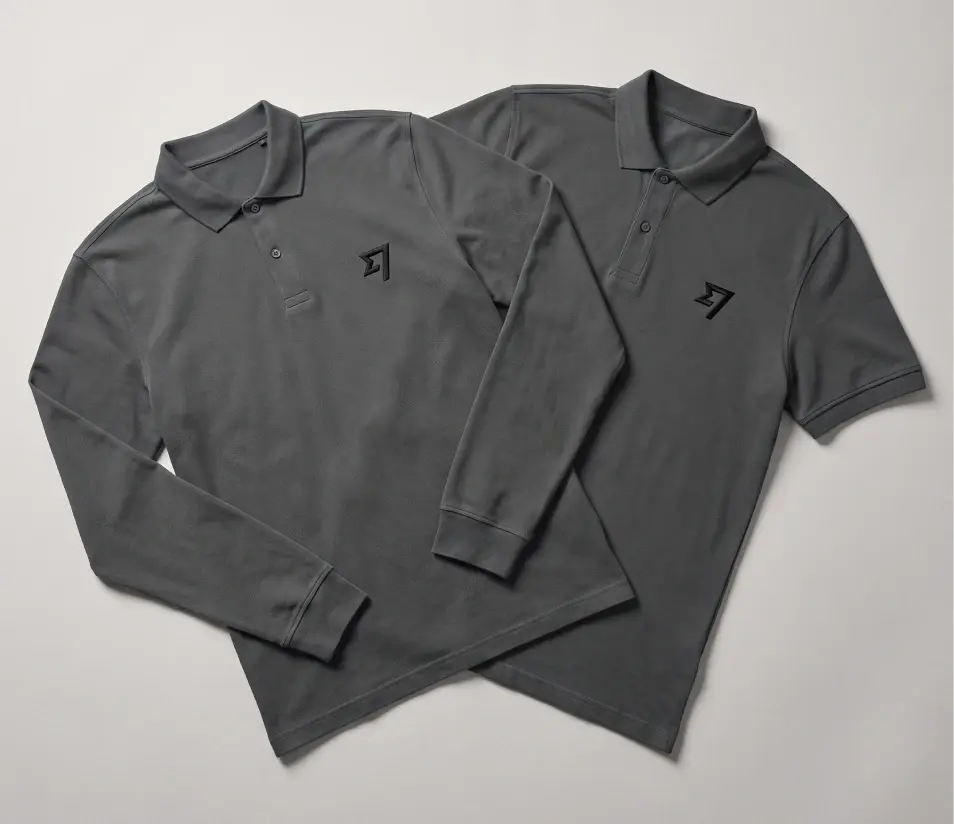
Swag Categories Where You Should Pick Name-Brand Swag
Now that we’ve established when you should choose name-brand swag items, the next thing we’ll discuss is what type of swag you should pick. Before we proceed, though, while these are the typical categories you should aim for name brands, it will still ultimately depend on your target audience and use case.
Backpacks and bags
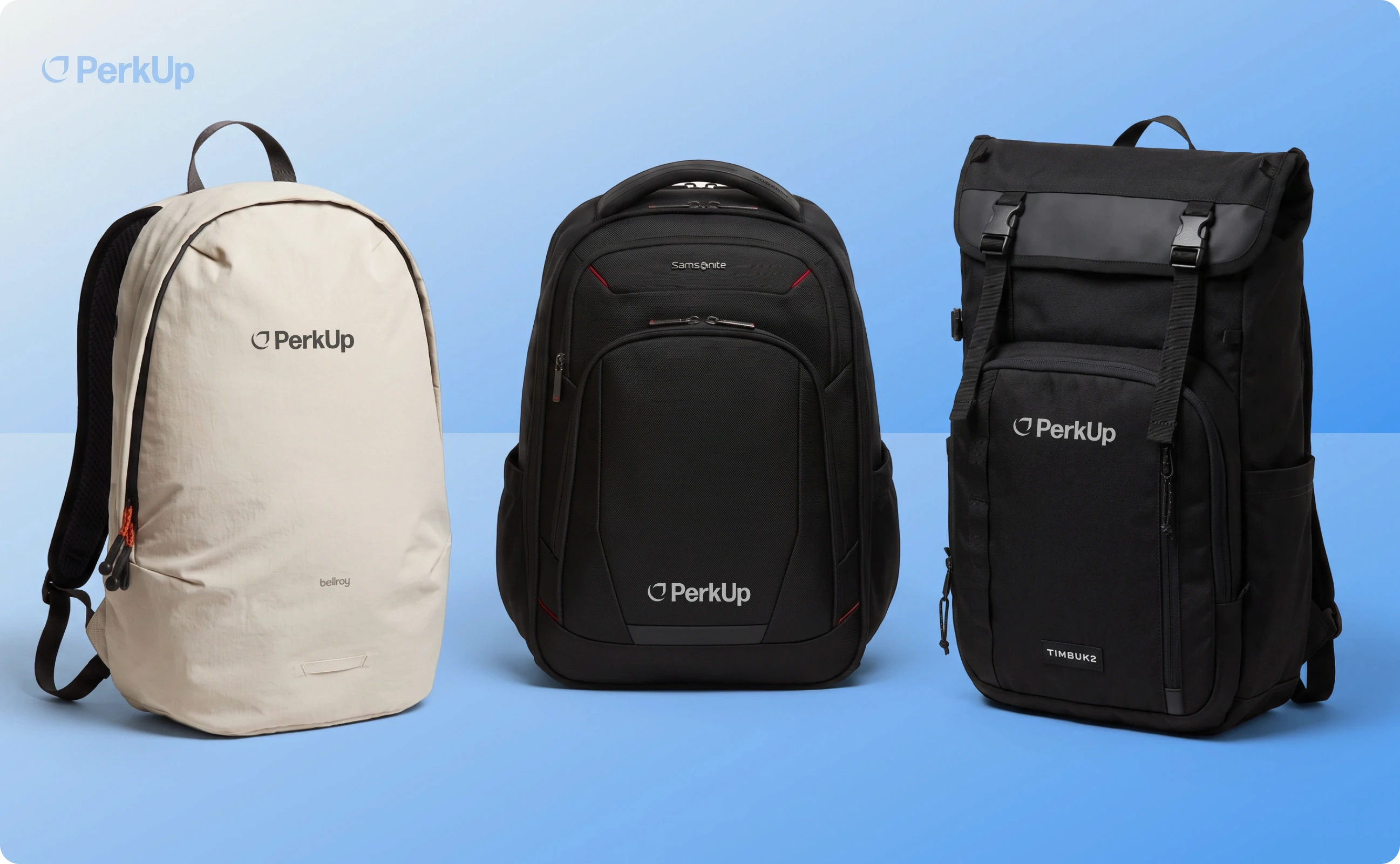
Bags are used daily, especially by employees who go to their office every day. That said, your recipients can easily tell a good backpack from a bad one. After all, zippers break, straps can fray, and cheap stitching won’t survive a daily commute. That’s when you should go for name brands, as they have better quality and warranty support.
Some name brands for backpacks and bags: Osprey, Bellroy, Samsonite, Timbuk2
Tech accessories
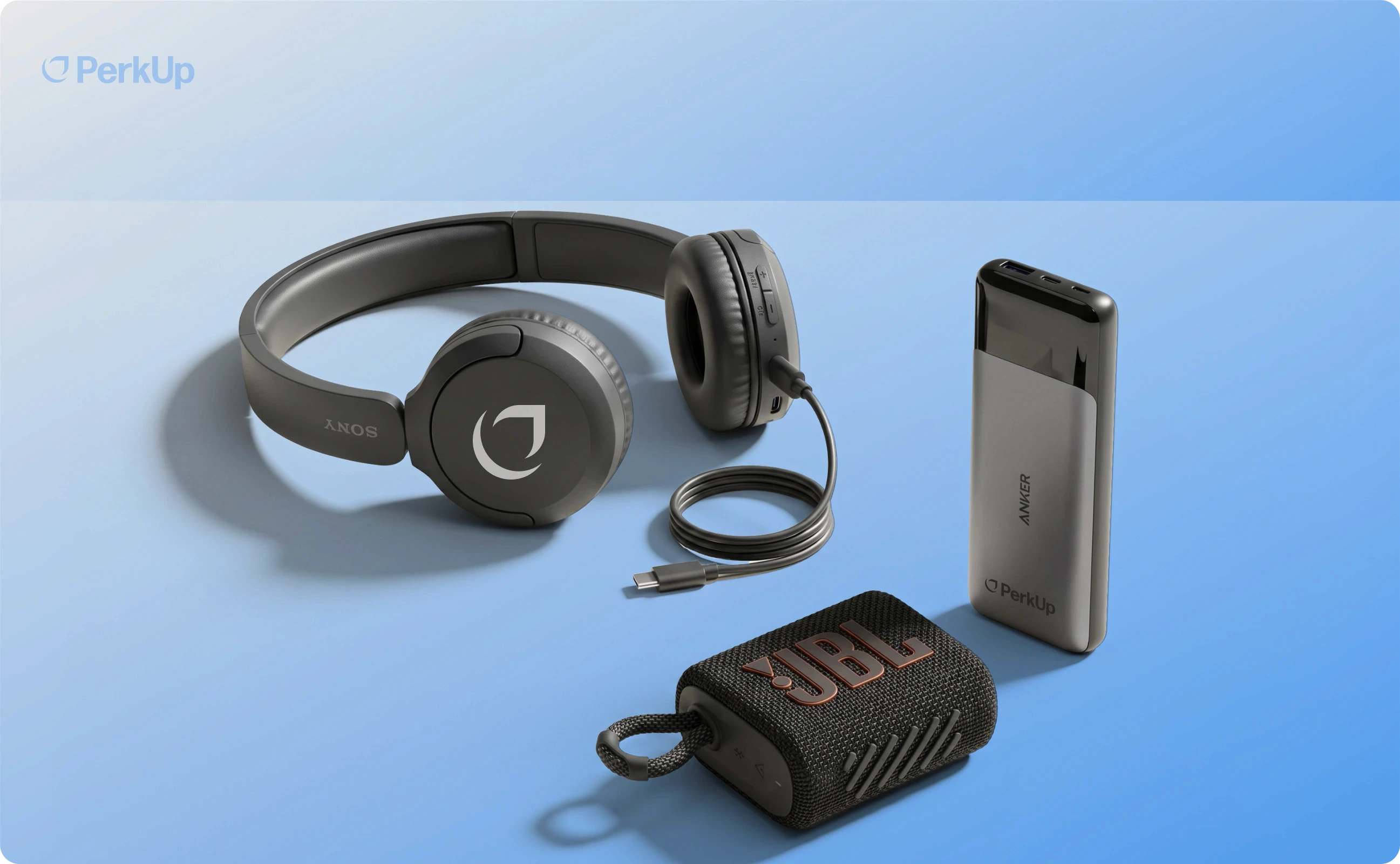
Power banks, headphones, and chargers aren’t swag items that you should gamble on when it comes to quality. For instance, if the power bank you choose doesn’t charge after only a month, that can leave a bad impression on your recipient. Choosing a brand name for tech swag items also gives you assurance that your recipients will use them, as recognizable tech brands tend to come with certifications and quality assurance.
Some name brands for tech: Anker, Mophie, Sony, Native Union
Drinkware (for clients and executives)
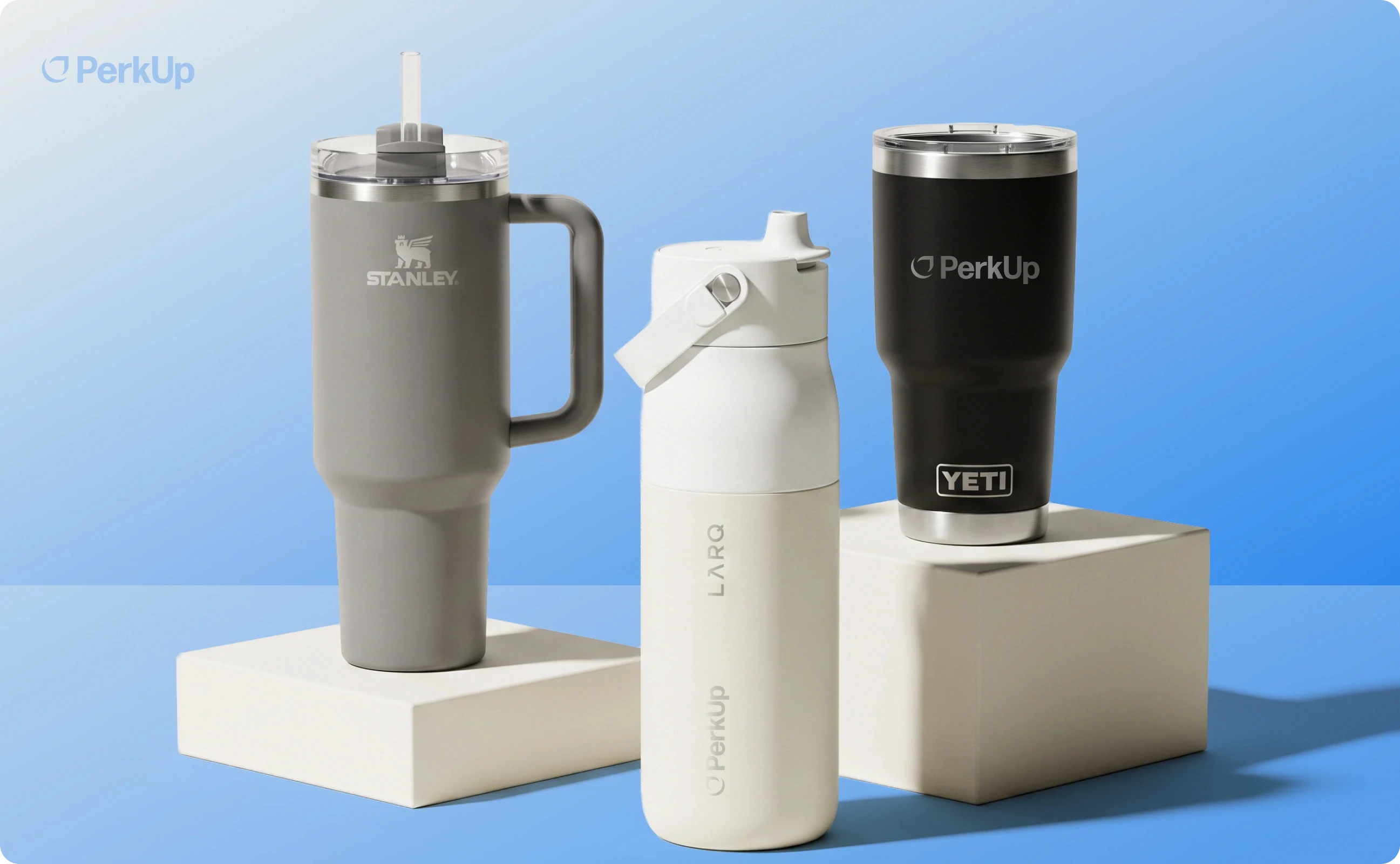
As mentioned earlier, go for name brands if you’re sending the swag to clients and executives, as these are the people you want to impress with premium items.
Some name brands for premium drinkware: Stanley, YETI, Fellow, Ember
Swag Categories Where You Should Pick No Name Swag
Depending on your swag use case, a quality white-label item does the job just as well as a retail brand. And it costs less, too! That said, here are some swag categories where it makes sense to go for no-name brands.
Notebooks and pens
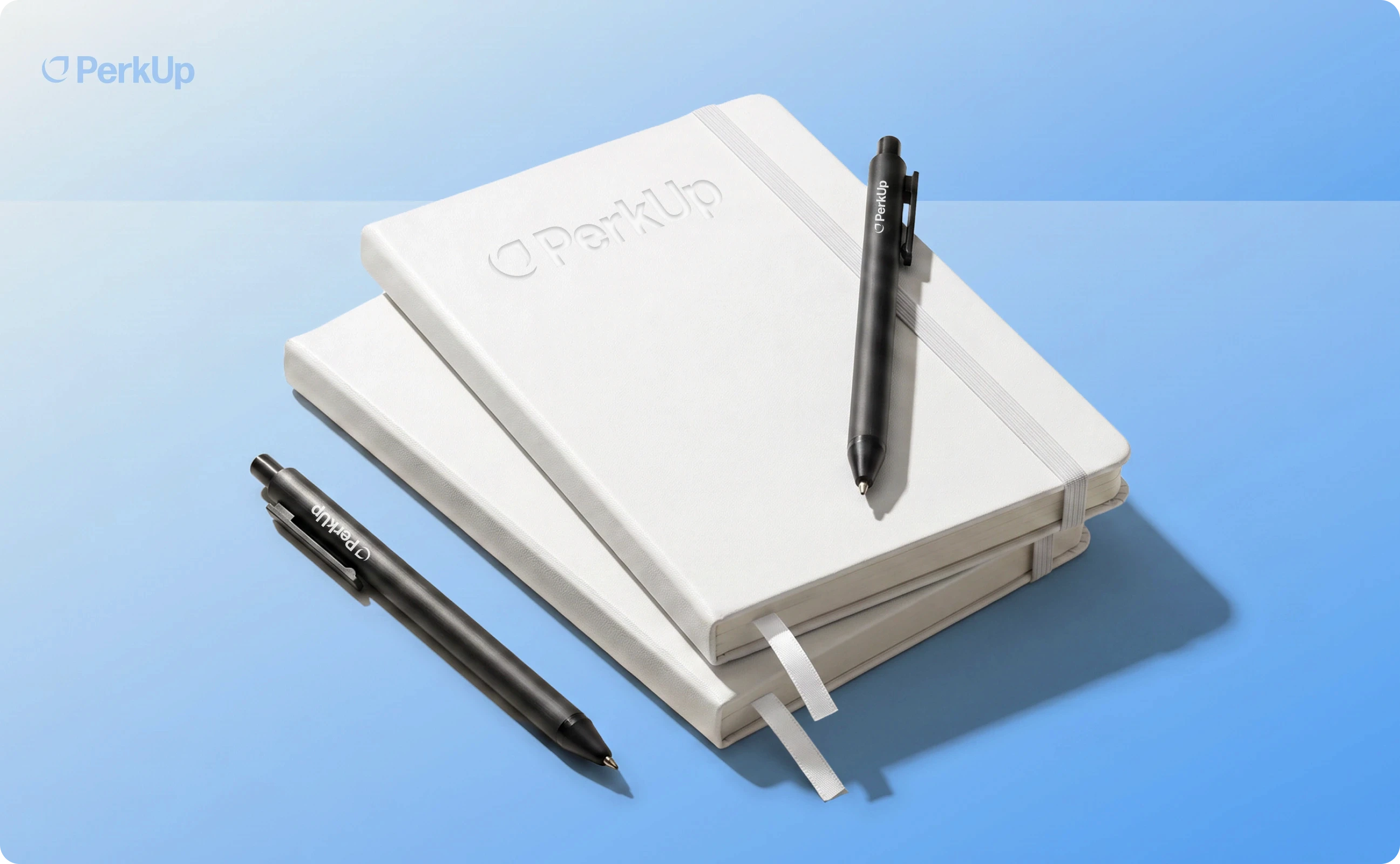
Your recipients won’t buy notebooks and pens for the logo on the cover or on the side. What these items are used for is their quality. Opting for a good A5 notebook and gel pen can already feel premium on its own.
Tote bags
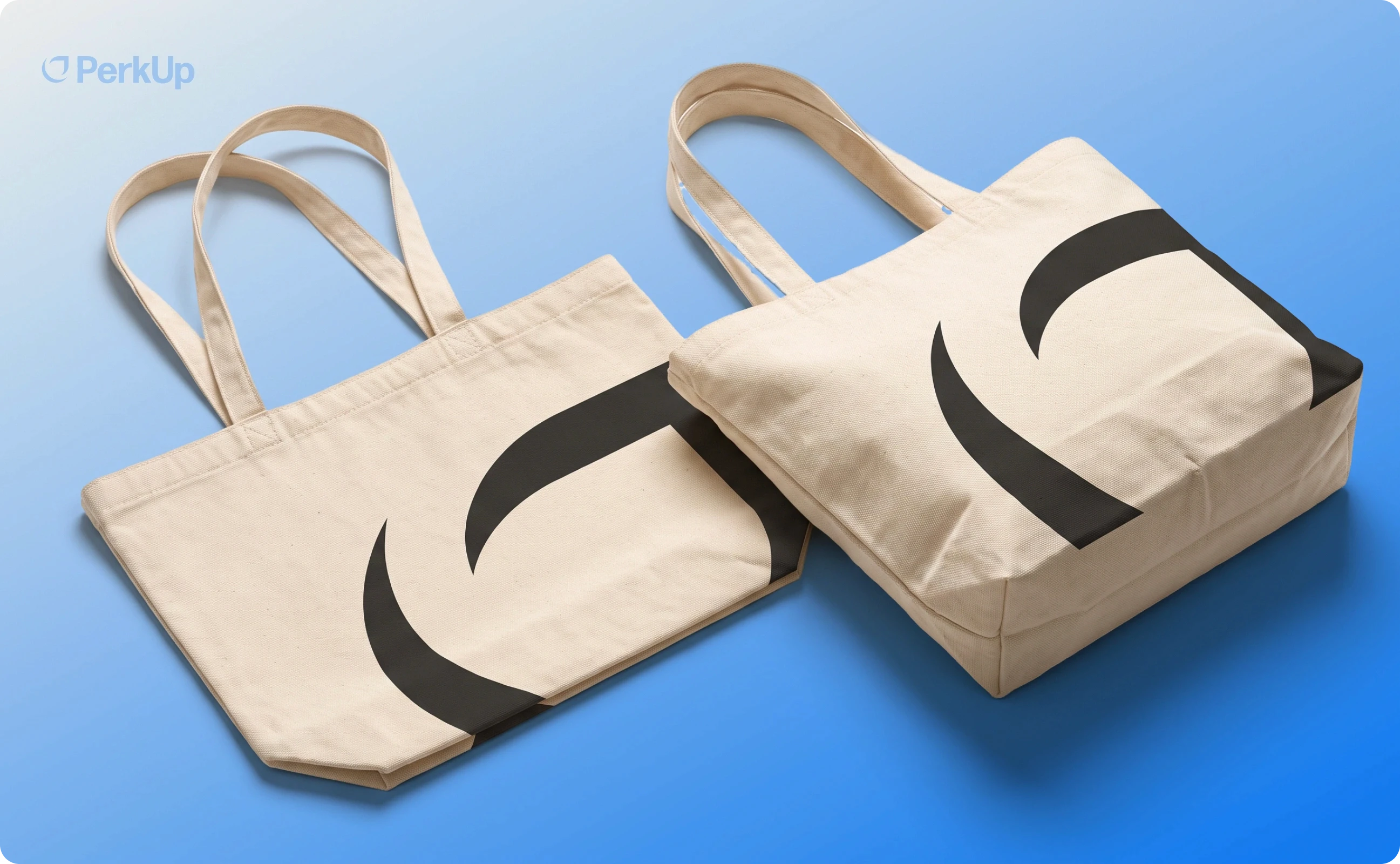
Totes are one of the least “brand-sensitive” items in swag because most recipients don’t expect a retail label, as long as they’re durable. Rather, what your recipients might notice is the structure and print quality. Focus on those.
Hats
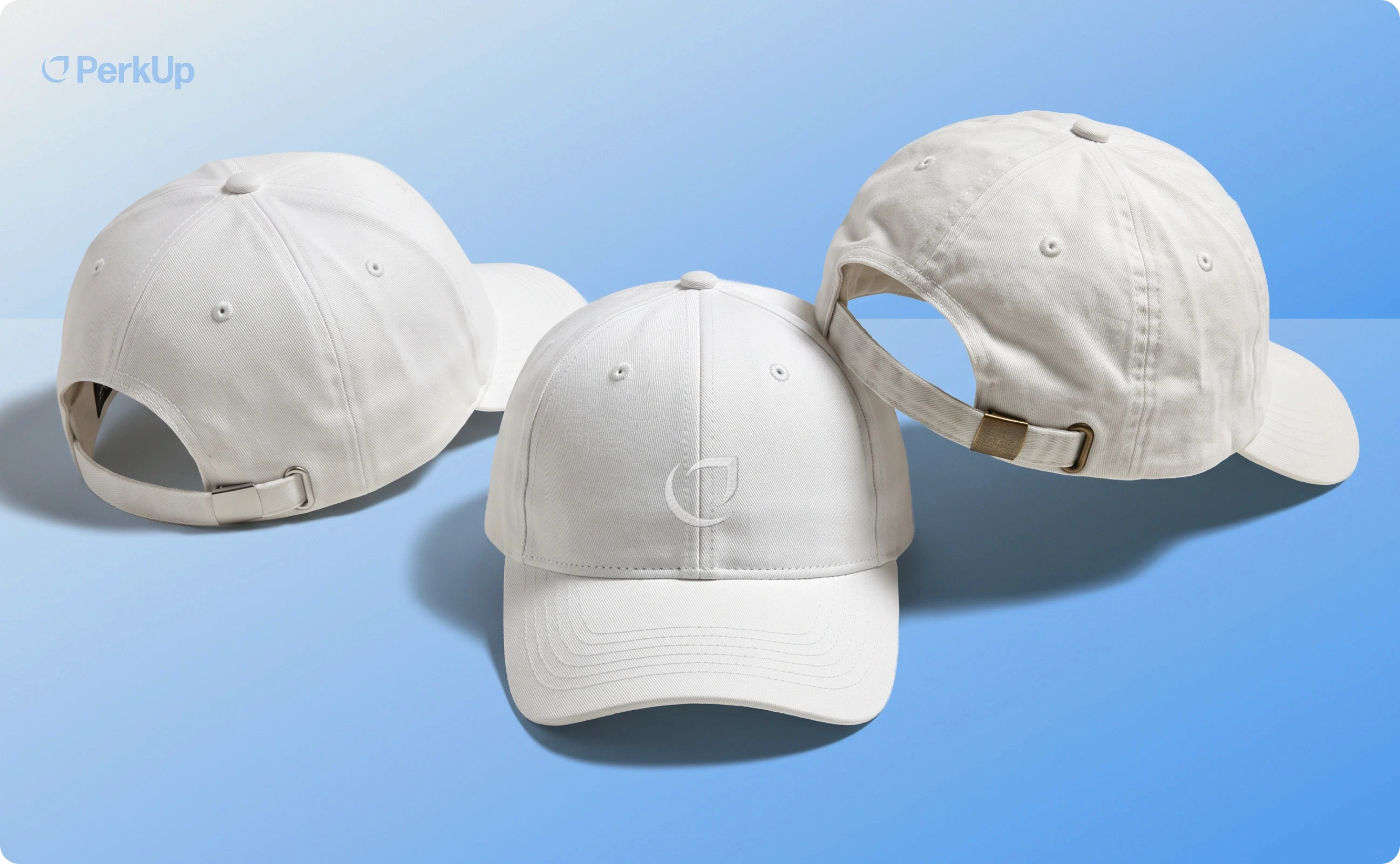
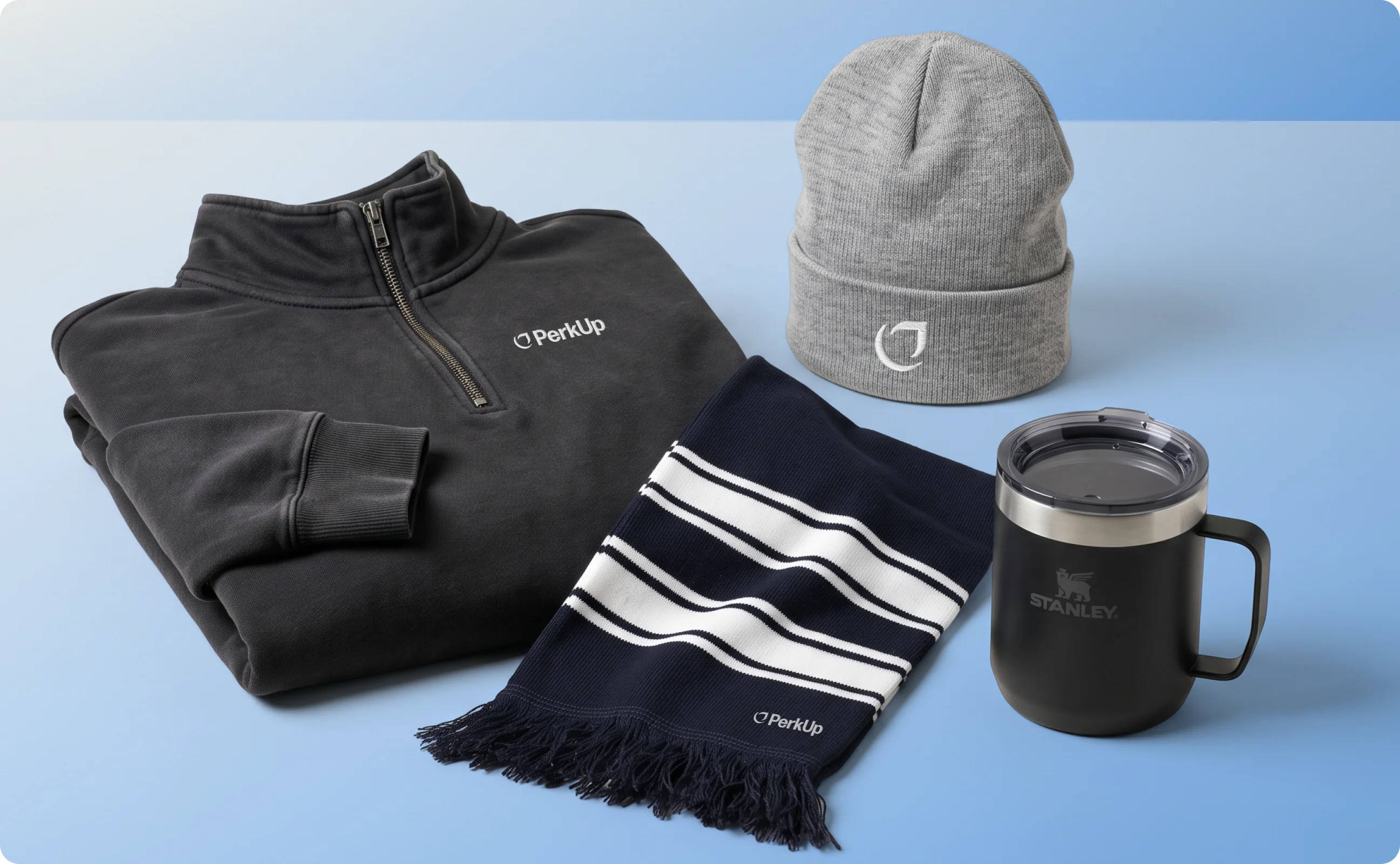
Caps are all about construction. Fit, brim shape, and embroidery quality do all the work here. That makes hats one of the easiest swag items to produce without a retail brand and still have them feel like something people actually want to wear.
Novelty and desk items
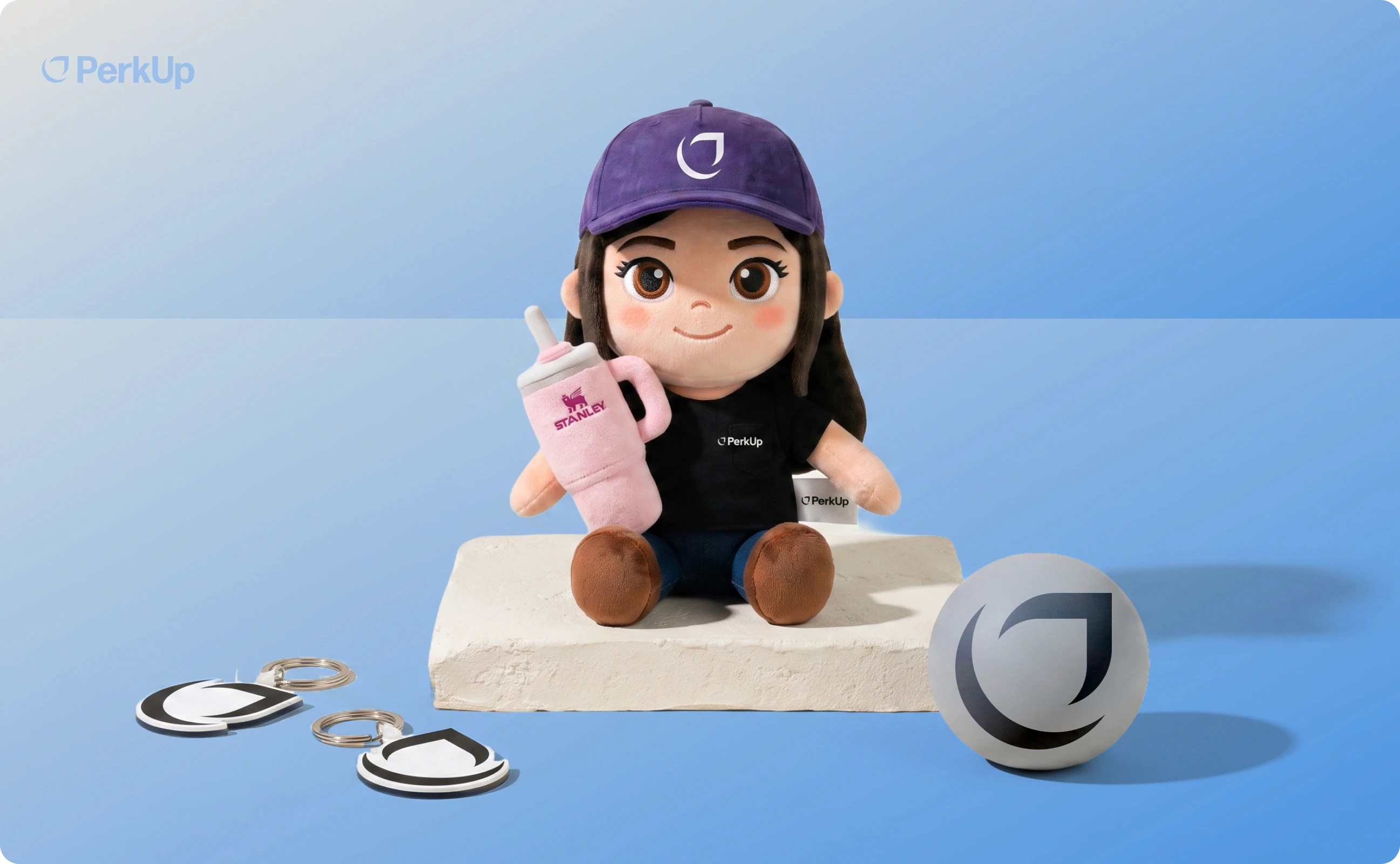
This is the swag category where creativity matters more than the brand name. Plushies, keychains, charms, stress toys, and collectible cards aren’t competing with retail products in the first place. Instead, they work because of the idea. A custom plush shaped like your product mascot is inherently more interesting than a generic branded item, because there’s nothing else to compare it to.
Event giveaways
For conference and giveaway items, you can drop the retail label. This is because you’re producing hundreds of swag items for people who may have never heard of your brand before, so the priority is something useful, affordable, and easy to hand out. Skip anything bulky, too. Attendees are already carrying a bag full of other people's swag, and the last thing they need is another oversized item to haul around.
How should you split a swag budget between name-brand and no-name?
If you’re mixing name-brand swag with no-name items, here are some things you can do to split your budget.
Pick one hero item and build around it - As mentioned earlier, choose one premium swag item to carry your swag kit, and then use quality unbranded swag to fill the rest.
Use a tiering system - Know who your audience is. Are they executives? Are they event attendees? Are they your long-term employees? Answering such questions first can help you determine if you should spend more on name-brand swag or no-name.
Split by how long the swag should last - Put the name brand on the swag items that your recipients are likely to use for years. A backpack, jacket, or premium tumbler can be used longer. On the other hand, a conference tote might get used for a day, a week, or until the next event. Put those on the white-label side and spend more on the products with a longer shelf life.
How PerkUp Handles Both Name Brand and No-Name Swag
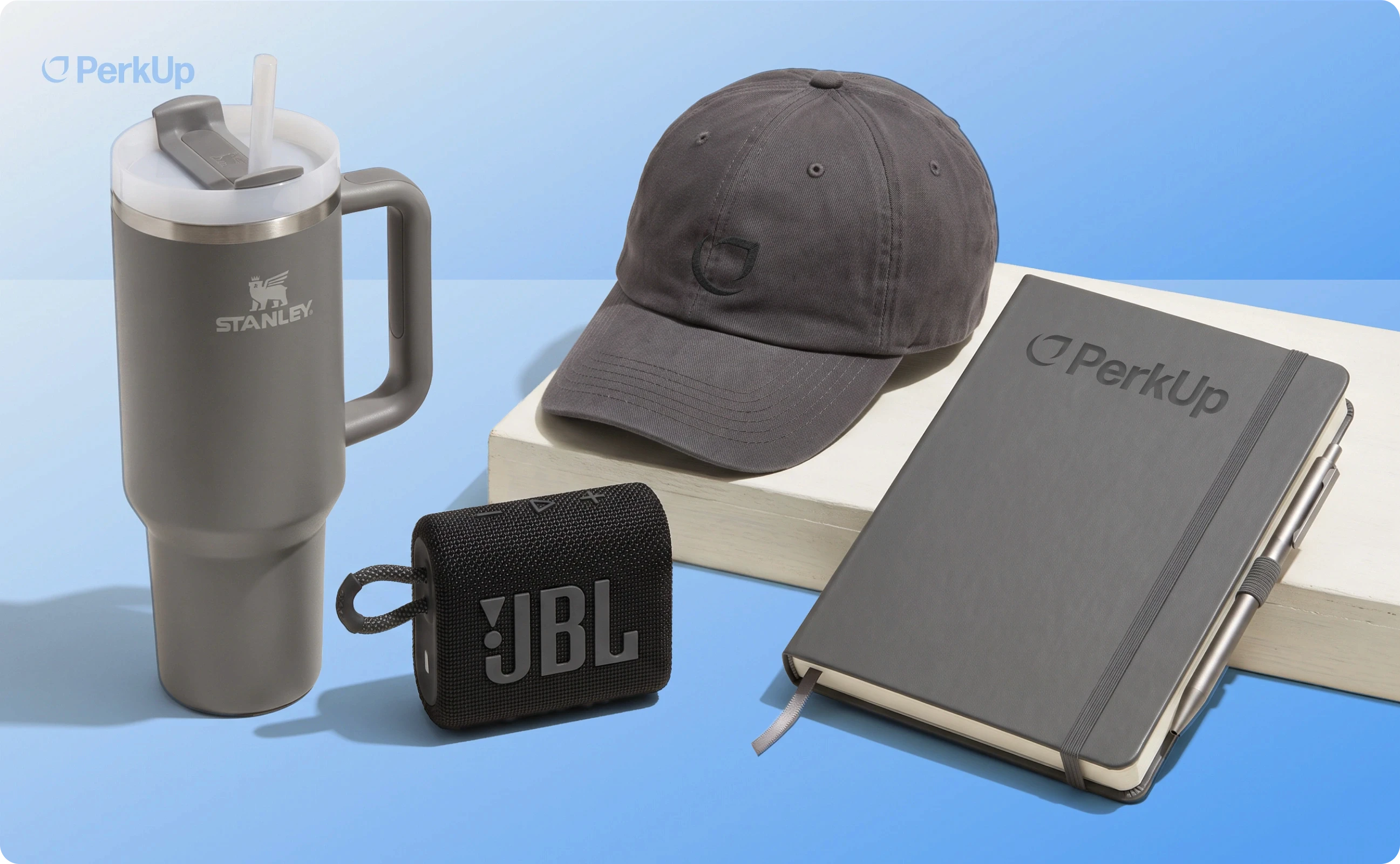
The easiest way to use both name-brand and no-name swag is to stop treating them as separate programs. That said, you need to have a swag management platform that can offer you both sides of the same coin. That’s PerkUp.
PerkUp lets you run everything from a single account, whether you need On Demand swag for individual sends with a one-unit minimum, bulk swag for larger predictable orders, swag kits with one flagship item, a swag store where recipients can choose their own swag, event swag for conferences and offsites, or gift cards when physical items aren't the right fit.
That structure makes it possible to split your swag programs between name-brand and no-name swag without having two vendors. For instance, you can include name-brand jackets and drinkware for your leadership events and source custom notebooks and plushies for an offsite through PerkUp.
PerkUp also offers 1,000+ On Demand items and thousands of bulk options, including brands like Nike, Stanley, YETI, and The North Face, alongside fully customizable white-label products.
And if the right swag isn't already in the catalog, then PerkUp can source it, too! The platform also has in-house designers who can support artwork, mockups, and decoration, so even unbranded items can be designed to feel fully custom to your brand.
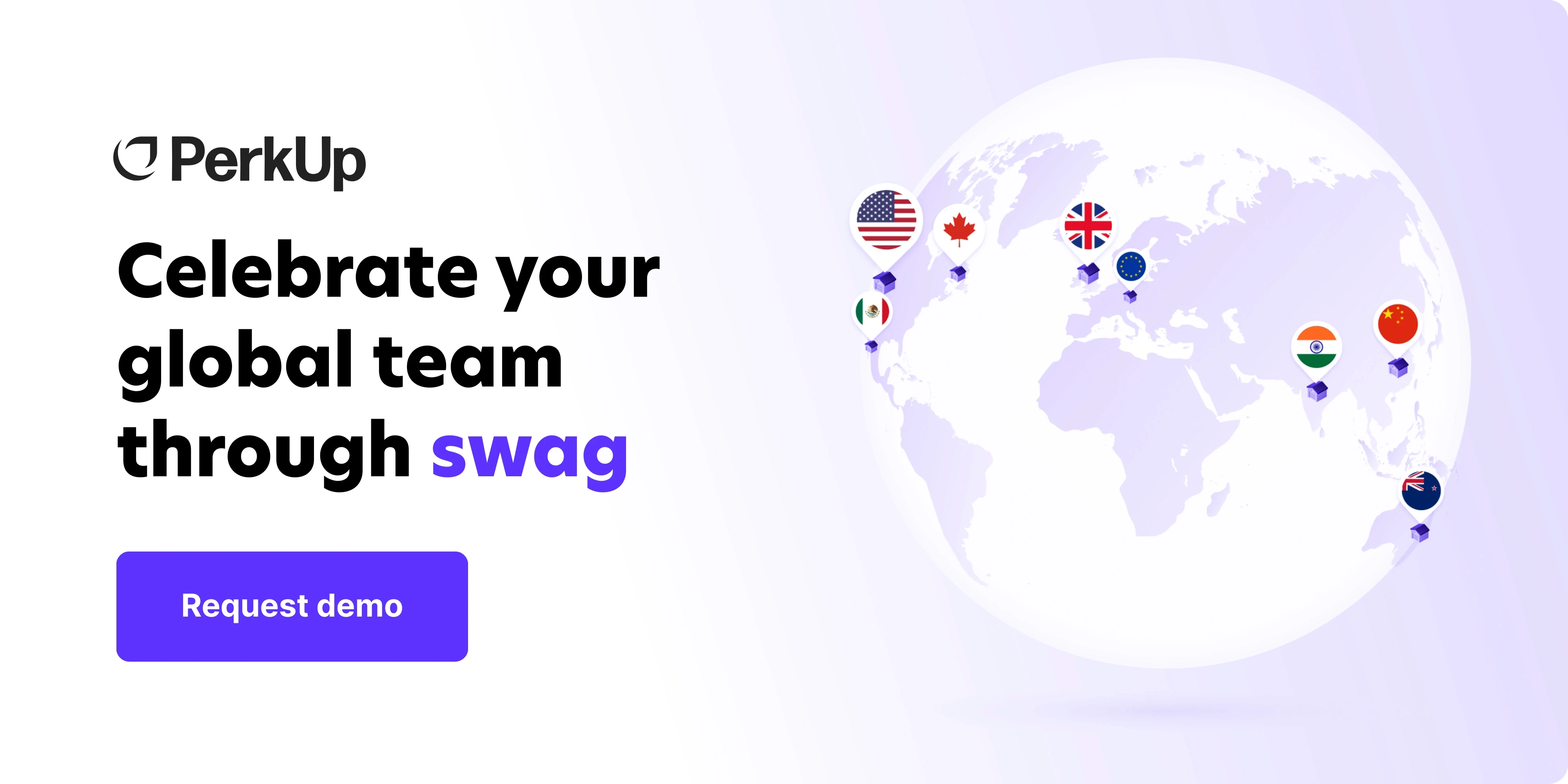
Thanks to PerkUp’s warehousing network across the US, Canada, Mexico, the UK, Europe, India, China, and Australia, you also won’t have to worry about sending your corporate swag (whether they’re name brand or not) to your global teams. The platform also ships DDP whenever possible, so customs and duties are off your plate as well.
Other features of PerkUp include automated milestone gifting through 200+ integrations, which is most suitable when you want to send swag for onboarding, birthdays, and/or work anniversaries.
Companies that trusted PerkUp for their name brand and no-name swag
Impiricus
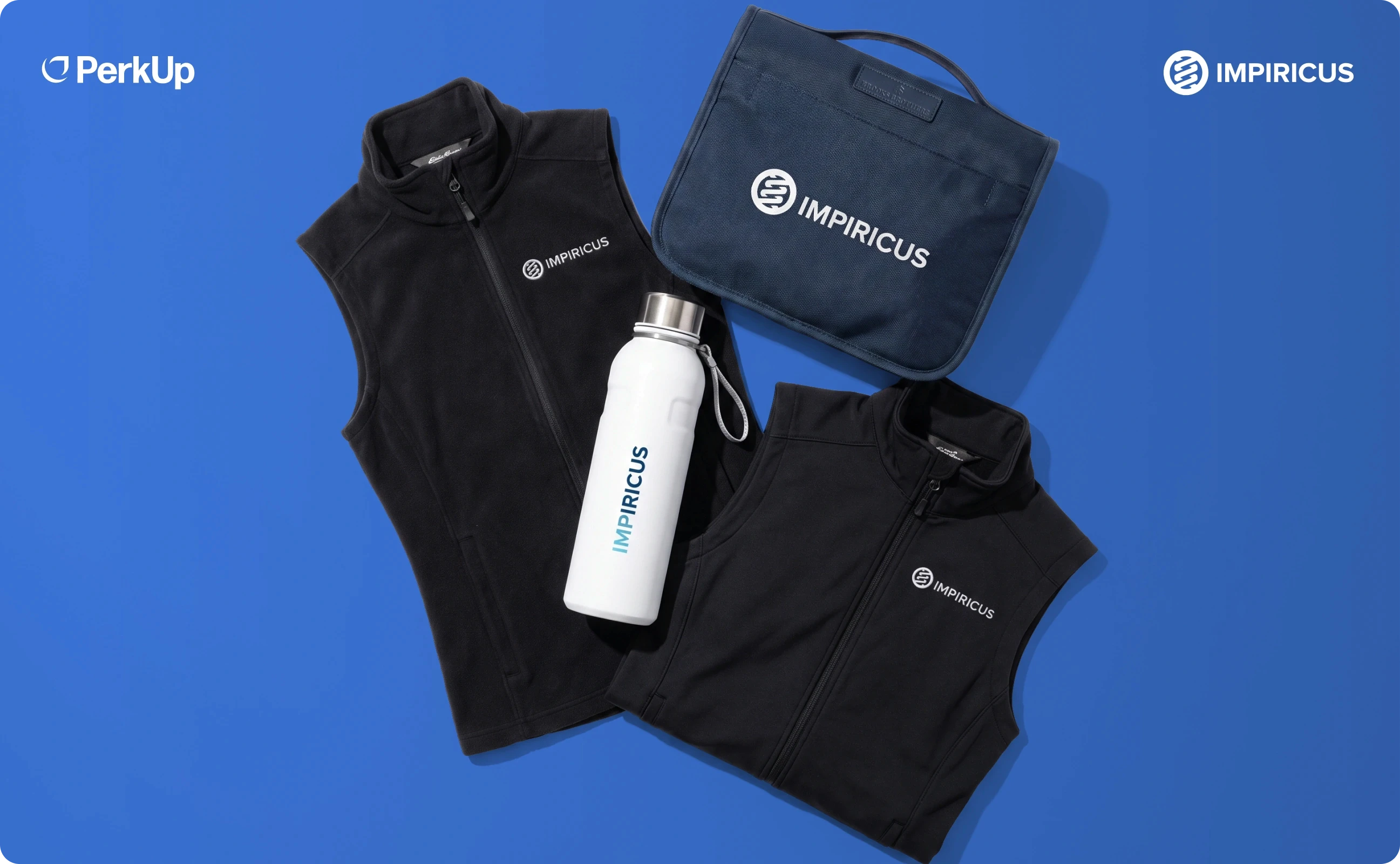
For its Atlanta offsite, Impiricus wanted premium swag waiting at the venue before the team arrived. PerkUp built the order around recognizable brands like Eddie Bauer fleece vests and a Brooks Brothers travel bag.
ProphetX
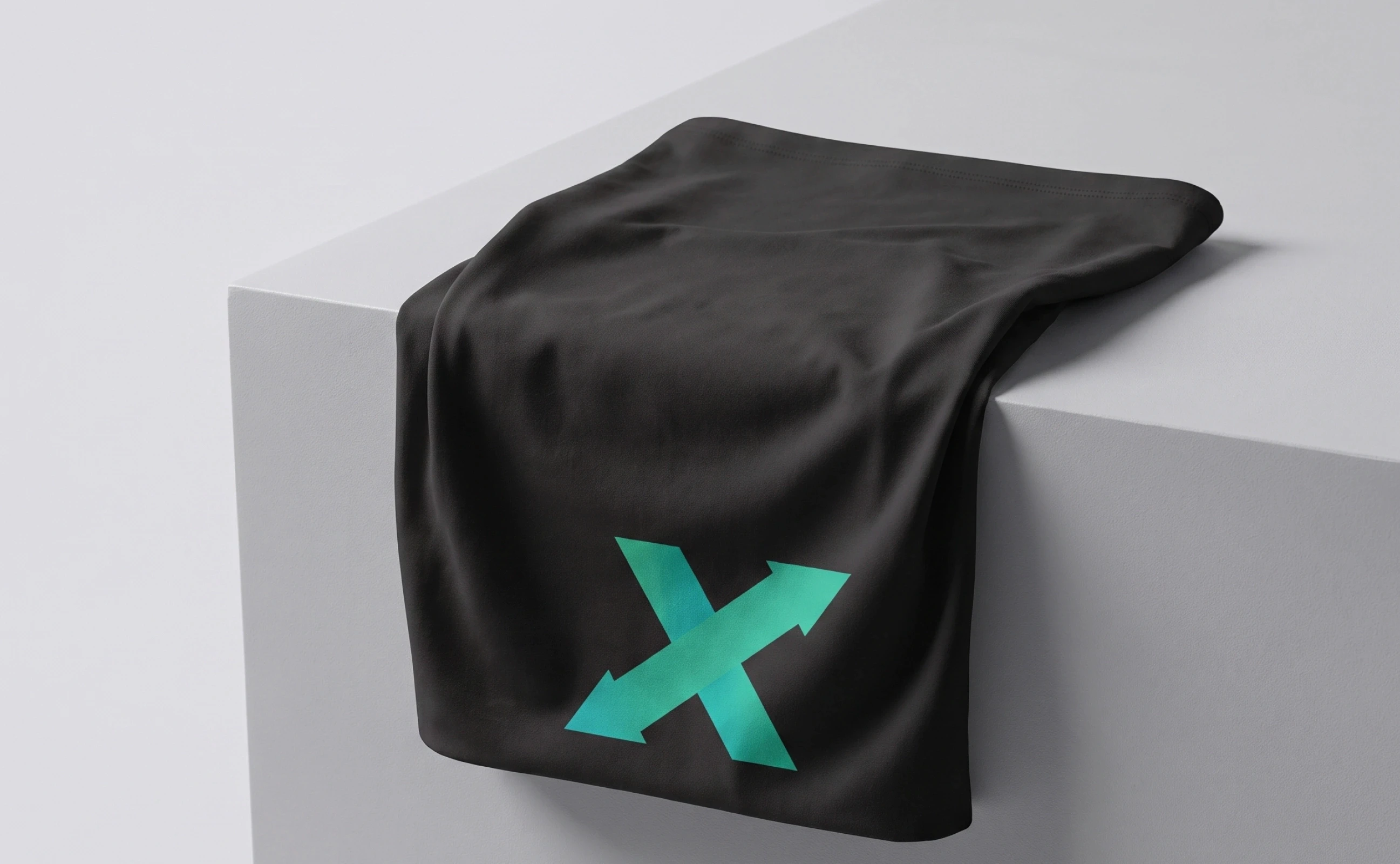
ProphetX wanted swag that felt at home in the UFC world. As such, PerkUp customized a neck gaiter, an item which is already familiar to fighters and combat-sports fans, with the ProphetX logo screen printed across the front.
Turing
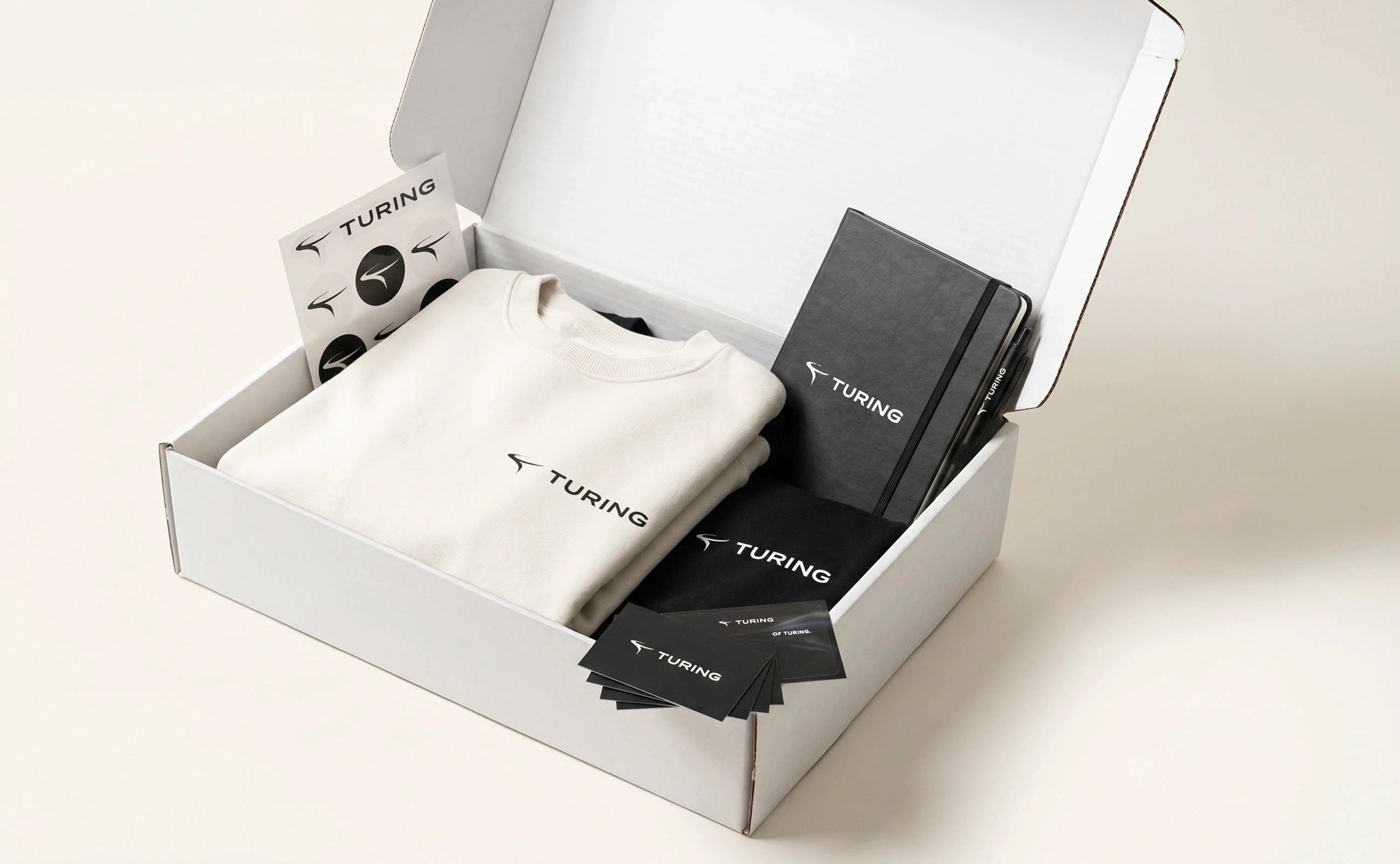
Turing’s team is split between the US and India, but every recipient needed the same items, branding, and packaging regardless of location. PerkUp produced one design and fulfilled kits through its India warehouse and domestically in the US. Turing got one consistent kit instead of managing two separate regional programs.
Key Takeaways
Name brands add instant credibility when the swag itself carries weight. On the other hand, no-name swag products give you more control over the design, better margins, and more freedom to source items.
But the main thing you really need to remember is to mix and match when it best suits your swag needs and to know your audience and use cases.
If you’re not sure which direction makes the most sense for your swag campaigns, book a demo with PerkUp so you can compare name-brand swag and no-name items and pick the one you actually need.
Frequently Asked Questions
Can PerkUp source premium or name-brand items that aren't in the standard catalog?
Yes, PerkUp can! Custom sourcing covers artisan, specialty, and premium products outside the standard catalog. It comes up most often for executive gifting and client appreciation, where a specific product or brand is part of the ask. PerkUp handles the sourcing and coordinates the design work, so a one-off request doesn't mean adding another vendor to the mix.
Should you order name-brand swag On Demand or in bulk?
Order On Demand when the timing or recipient list isn't predictable, like leadership gifts or ad-hoc rewards. The minimum is one unit, so nothing needs to stay in a warehouse. Order bulk when you know the volume and timing in advance, like conferences and planned launches, since the per-unit cost is lower. PerkUp offers both in one swag platform.
What are typical turnaround times for name-brand and custom swag?
With PerkUp, On Demand swag takes about three weeks from order to delivery. Bulk swag takes roughly five weeks when kitting is involved: three weeks for production, one week for kitting, and one week for approvals.
What are the minimum order quantities for name-brand swag?
With PerkUp, the minimum depends more on the production method than the brand. On Demand swag has a 1-unit minimum. Custom bulk swag varies by product and decoration method, typically starting around 25 to 50 units for apparel and drinkware and going higher for specialty products. PerkUp lists the minimum for each swag item, so you can check it before building the program around a particular swag.