Company Culture
Company Culture
Company Culture
How to Build Employee Recognition Programs That Actually Work
In this blog, we discuss the meaning and importance of employee recognition programs.
Jan 6, 2026
Jan 6, 2026
Jan 6, 2026
•
•
•
5
5
5
min read
min read
min read


Your team just closed a major deal. An employee hit their five-year anniversary. Someone went above and beyond to help a struggling colleague. These moments happen every day in your organization, but here's the question: are you recognizing them in ways that actually matter?
Most companies have some form of employee recognition. Maybe it's a shoutout in Slack, a gift card sent via email, or an annual awards ceremony. However, recognition that truly drives engagement, retention, and performance requires more than occasional gestures. It needs structure, consistency, and genuine thought about what makes your people feel valued.
The good news? Building an effective recognition program doesn't require a massive budget or complex systems. What it does require is a clear strategy that connects recognition to your culture, makes it easy for everyone to participate, and offers rewards that people actually want. This guide will walk you through exactly how to create a recognition program that becomes a cornerstone of your employee experience.
What are employee recognition programs?
Employee recognition programs are structured approaches to acknowledging and rewarding people for their contributions, achievements, and behaviors that align with company values. Unlike random acts of appreciation, these programs create consistent systems for celebrating everything from daily wins to major milestones.
The concept isn't new. Companies have been giving out service awards and employee-of-the-month plaques for decades. But modern recognition programs have evolved far beyond generic trophies gathering dust on shelves. Today's programs blend technology, personalization, and meaningful rewards to create experiences that resonate with diverse, often distributed workforces.
Recognition programs typically include several components: peer-to-peer recognition tools that let anyone celebrate anyone, milestone celebrations for birthdays and work anniversaries, performance-based rewards for hitting goals or exemplifying values, and spot bonuses for exceptional contributions. The best programs weave these elements together into a cohesive experience that makes appreciation a daily habit rather than an annual event.
What makes a program truly effective isn't the specific tools you use. It's whether recognition happens frequently, feels genuine, connects to what people actually value, and reinforces the behaviors you want to see more of. When done right, recognition becomes part of your cultural DNA rather than an HR initiative people tolerate.
Why Employee Recognition Programs Matter
Recognition programs directly impact the metrics that keep executives up at night: retention, engagement, productivity, and culture. But the connection isn't always obvious until you see the data.
Retention and turnover costs
Losing good people is expensive. Replacing an employee typically costs 50-200% of their annual salary when you factor in recruiting, onboarding, lost productivity, and the time it takes for someone new to reach full effectiveness. Recognition programs create a buffer against turnover by making people feel valued enough to stay, even when recruiters come calling with higher salaries.
The employees most likely to leave aren't always the ones struggling with performance. Often, they're your solid contributors who feel invisible because recognition only flows to the top performers or the people who make the most noise. A structured program ensures everyone gets noticed for their contributions, not just the obvious stars.
Engagement and daily performance
Engaged employees don't just show up. They bring discretionary effort, the extra 20% that separates good work from exceptional work. Recognition fuels this engagement by creating a clear line between effort and acknowledgment. When people see their contributions matter, they contribute more.
This isn't about participation trophies. It's about creating feedback loops where people understand what success looks like and feel motivated to achieve it. Recognition programs make these feedback loops visible and consistent across your organization.
Culture and values reinforcement
Your company values probably live on a poster somewhere or in your employee handbook. Recognition programs bring them to life. When you tie recognition to specific values, you show people what those values look like in action. Someone gets recognized for "customer obsession" by staying late to solve a client issue. Another person gets celebrated for "innovation" by suggesting a process improvement that saves time.
Over time, these recognitions create a shared understanding of what your culture actually means, not just what you say it means. New employees see what behaviors get celebrated and adjust accordingly. Long-time employees get reinforcement that their approach aligns with where the company is headed.
Connection in distributed teams
Remote and hybrid work has made recognition more important and more challenging. When you're not sharing physical space, the casual "great job" in the hallway disappears. Recognition programs create structured touchpoints that help distributed teams stay connected and appreciated. They become the digital equivalent of those water cooler moments where people build relationships and feel part of something bigger than their individual roles.

Creative Ways to Celebrate Through Recognition Programs
Effective recognition programs go beyond the standard "employee of the month" approach. The best programs offer multiple ways for people to feel appreciated, matching different preferences and situations.
Peer-to-Peer recognition systems
Give everyone the ability to recognize anyone else. This democratizes appreciation and ensures recognition flows in all directions, not just top-down. Set up a simple system where employees can send recognition messages tied to company values, visible to the whole team. Many companies pair this with small point systems where people can accumulate recognition points and redeem them for rewards.
The key is making it easy and public. Recognition that happens privately in email doesn't create the ripple effect of appreciation that builds culture. When someone gets recognized in a team channel or company-wide platform, it reminds everyone else to look for opportunities to appreciate their colleagues.
Automated milestone celebrations
Birthdays and work anniversaries shouldn't require HR to maintain a spreadsheet. Automate work anniversary recognition so every milestone gets celebrated consistently. Set up different gift tiers for different anniversary years, letting employees choose rewards that matter to them rather than receiving generic plaques.
The automation ensures nobody falls through the cracks. Your remote employee in Portugal gets the same thoughtful recognition as someone at headquarters. Your part-time team members get celebrated just like full-timers. Consistency matters more than you might think. When someone sees their anniversary forgotten while others get celebrated, it sends a message about their value to the organization.
Spot bonuses and surprise recognition
Some contributions deserve immediate recognition. Create a system for managers to award spot bonuses or instant gifts when someone goes above and beyond. This could be as simple as a small gift card or as meaningful as a curated gift package. The timing matters more than the dollar amount. Recognition that arrives while the achievement is fresh feels more genuine than something that shows up weeks later.
Team celebration moments
Not all recognition needs to be individual. When a team hits a major goal or completes a challenging project, celebrate together. Send the whole team something they can enjoy collectively, like a virtual cooking class, a team swag package, or gift cards for a team lunch. These shared experiences build camaraderie while recognizing collaborative achievements.
Value-based recognition campaigns
Run monthly or quarterly campaigns focused on specific company values. Challenge everyone to recognize colleagues who exemplify "customer focus" this month or "innovation" next quarter. This keeps your values front and center while giving people a framework for noticing and appreciating specific behaviors.
Manager-led recognition rituals
Train managers to build recognition into their team rhythms. Start team meetings with appreciation shoutouts. End weeks by having everyone share something they appreciated about a colleague. These rituals cost nothing but create consistent moments where recognition becomes expected and normal rather than rare and awkward.
Recognition Rewards That People Actually Want
The reward matters as much as the recognition itself. Generic gifts that everyone receives regardless of preference send the message that you didn't really think about what would make them feel valued. Here are seven options that work across different recognition scenarios, from everyday appreciation to major milestones.
PerkUp Embroidered Unisex Hoodie

Price range: $42.00
Best for: Work anniversaries, team milestones, and creating a sense of belonging
The softest hoodie your team will ever own comes with premium embroidered branding that feels elevated, not corporate. Made with 100% cotton face and a 65% ring-spun cotton, 35% polyester blend, this hoodie works for year-round wear with its warm 3-panel hood and convenient front pouch pocket. Available in Black, Carbon Grey, Charcoal Heather, and White across sizes S-3XL, it lets employees choose what actually fits their style. Use it for annual anniversary gifts or welcome packages where recipients can select their preferred color and size. When your team wears branded gear by choice, not obligation, it signals genuine pride in being part of your organization.
👉 Explore the PerkUp Embroidered Unisex Hoodie
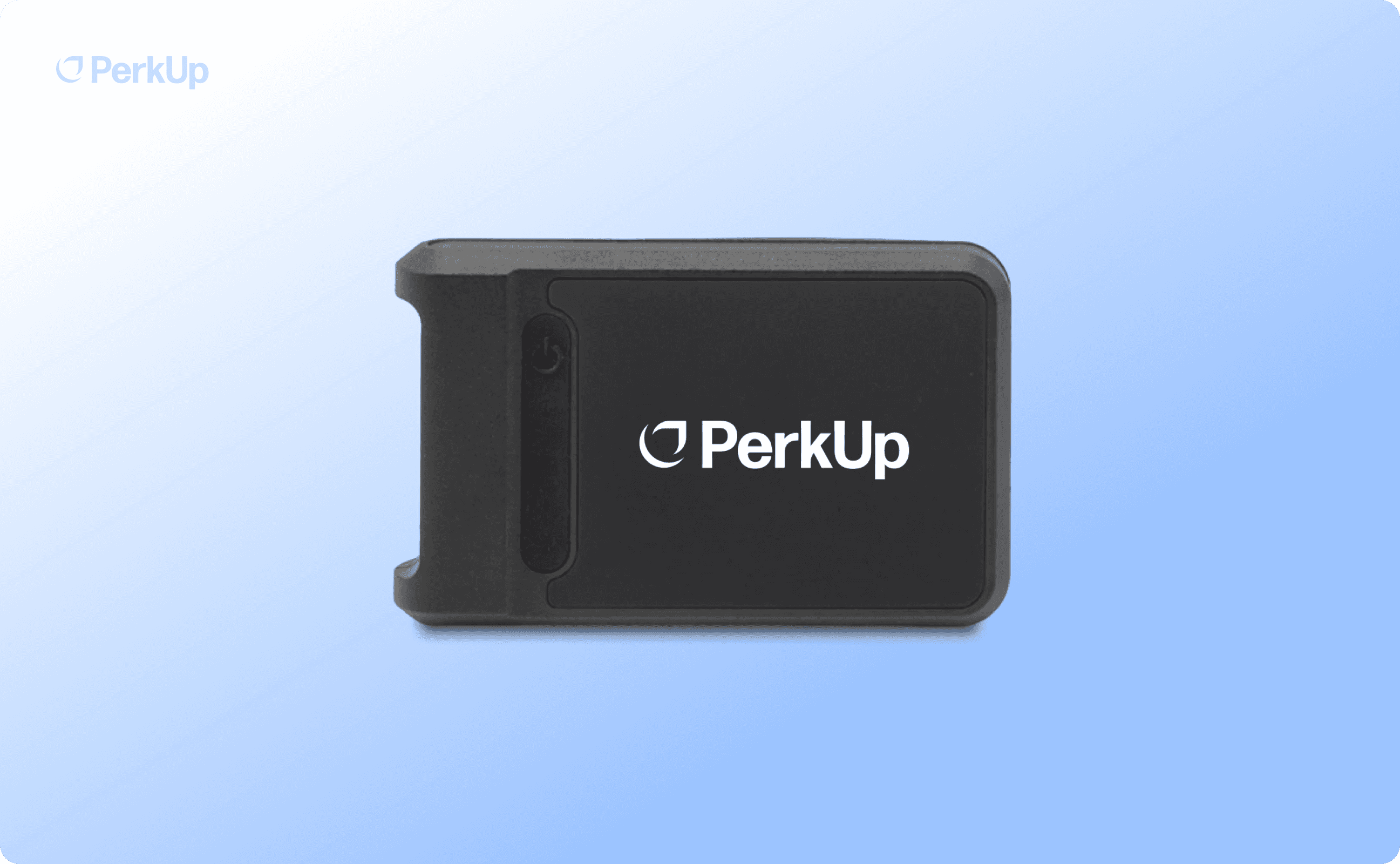
PerkUp Ampx Portable Charger
Price range: $80.99
Best for: Spot bonuses, performance rewards, and practical appreciation
This sleek portable powerbank combines sustainability with serious functionality. The 6000mAh lithium polymer battery charges most phones 2-3 times while fitting easily in a pocket or bag, making it perfect for employees who work remotely or travel frequently. Made from 100% recycled ABS plastic with included USB-C cables, it solves daily frustrations while aligning with environmental values. Use it as a reward for employees who complete major projects or hit significant goals. Every time they charge their device, they'll remember the achievement that earned it. Unlike consumable rewards that disappear, practical tech creates lasting positive associations with your recognition program.
👉 Explore the PerkUp Ampx Portable Charger
PerkUp Enamel Mug

Price range: $19.50
Best for: Peer-to-peer recognition programs and team appreciation
This lightweight enamel mug brings a unique, outdoorsy vibe to everyday recognition. The durable design with white coating and silver rim works for hot beverages or meals, making it practical for office use or remote workers who want something distinctive. At 3.14" height and 3.25" diameter, it's compact enough for daily use but substantial enough to feel like a real gift. Use it for peer-to-peer recognition programs where employees nominate colleagues who embody company values, or as part of milestone celebration packages. The classic enamel aesthetic creates a collectible feel that stands out from typical corporate swag, turning everyday coffee breaks into reminders of appreciation.
👉 Explore the PerkUp Enamel Mug
JournalBook Hardcover Bound Notebook

Price range: $24.99
Best for: Special achievement recognition and professional development milestones
A premium notebook sends a thoughtful message about investing in someone's growth and ideas. This hardcover journal features 80 pages of lined, cream-colored paper with an UltraHyde cover that feels substantial and professional. The built-in elastic closure, matching ribbon page marker, and expandable inner pocket for storing notes make it genuinely useful for meetings, brainstorming sessions, or personal planning. Use it to recognize employees who complete training programs, hit quarterly goals, or take on leadership roles. At 5.5" × 8.5", it's perfectly sized for daily use without being bulky, making it a gift people actually carry and use rather than file away.
👉 Explore the JournalBook Hardcover Bound Notebook
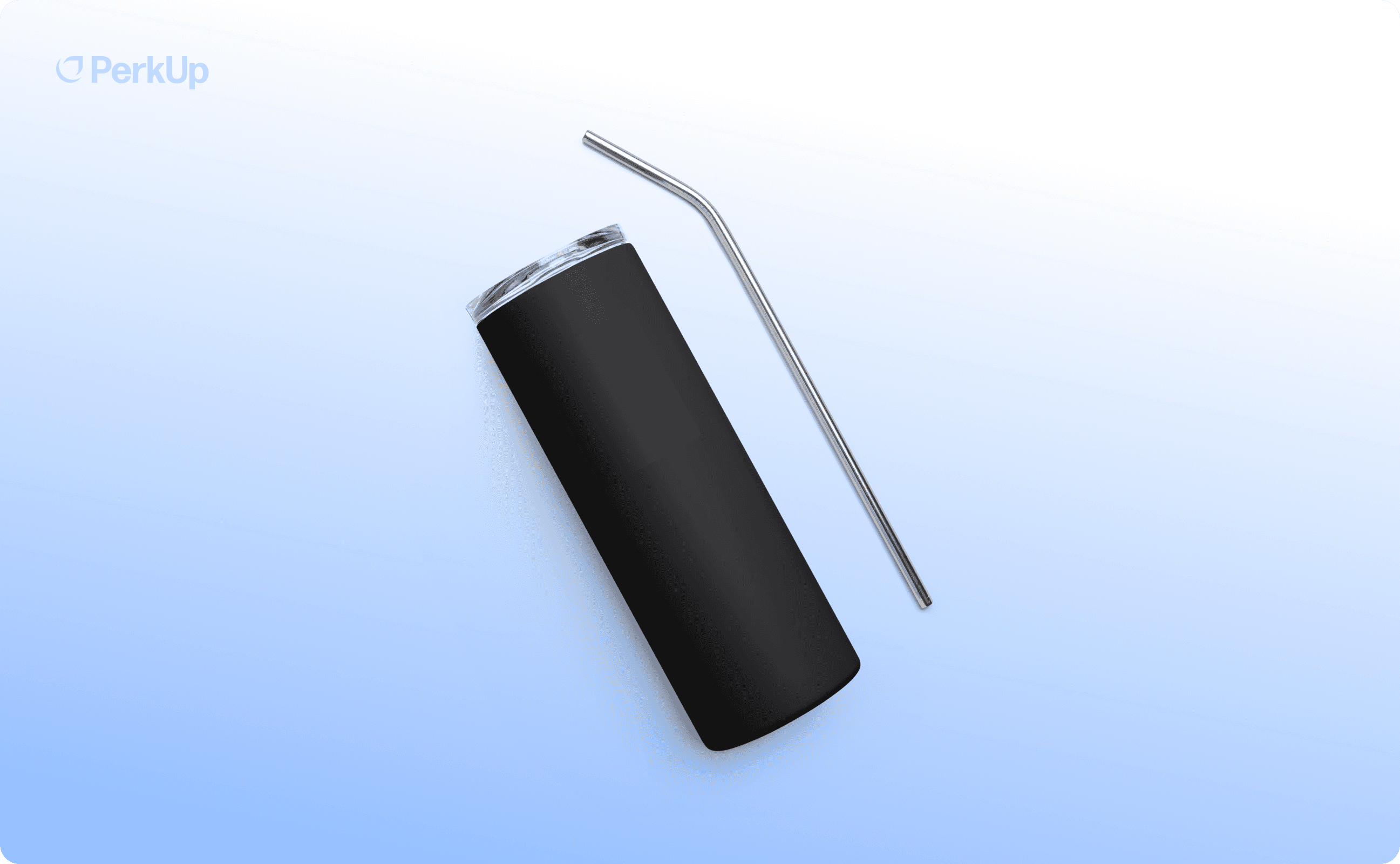
AEG Vision Template Stainless Steel Tumbler
Price range: $41.99
Best for: Team recognition and daily use appreciation
This high-grade stainless steel tumbler combines practicality with premium quality. The 20-oz capacity works for hot or cold drinks throughout the day, while the included metal straw and lid make it genuinely reusable and convenient. Available in Black or White with customizable branding, it measures 3.11" × 8.42" for easy daily carry. Use it for team-level recognition when groups hit major milestones, or as part of welcome packages where new hires get practical gear they'll actually use. The cylindrical design fits standard cup holders, making it perfect for remote workers, commuters, or anyone who wants to stay hydrated while reducing single-use waste. Unlike items that sit on shelves, a quality tumbler becomes part of someone's daily routine.
👉 Explore the AEG Vision Template Stainless Steel Tumbler
PerkUp Wine Tumbler
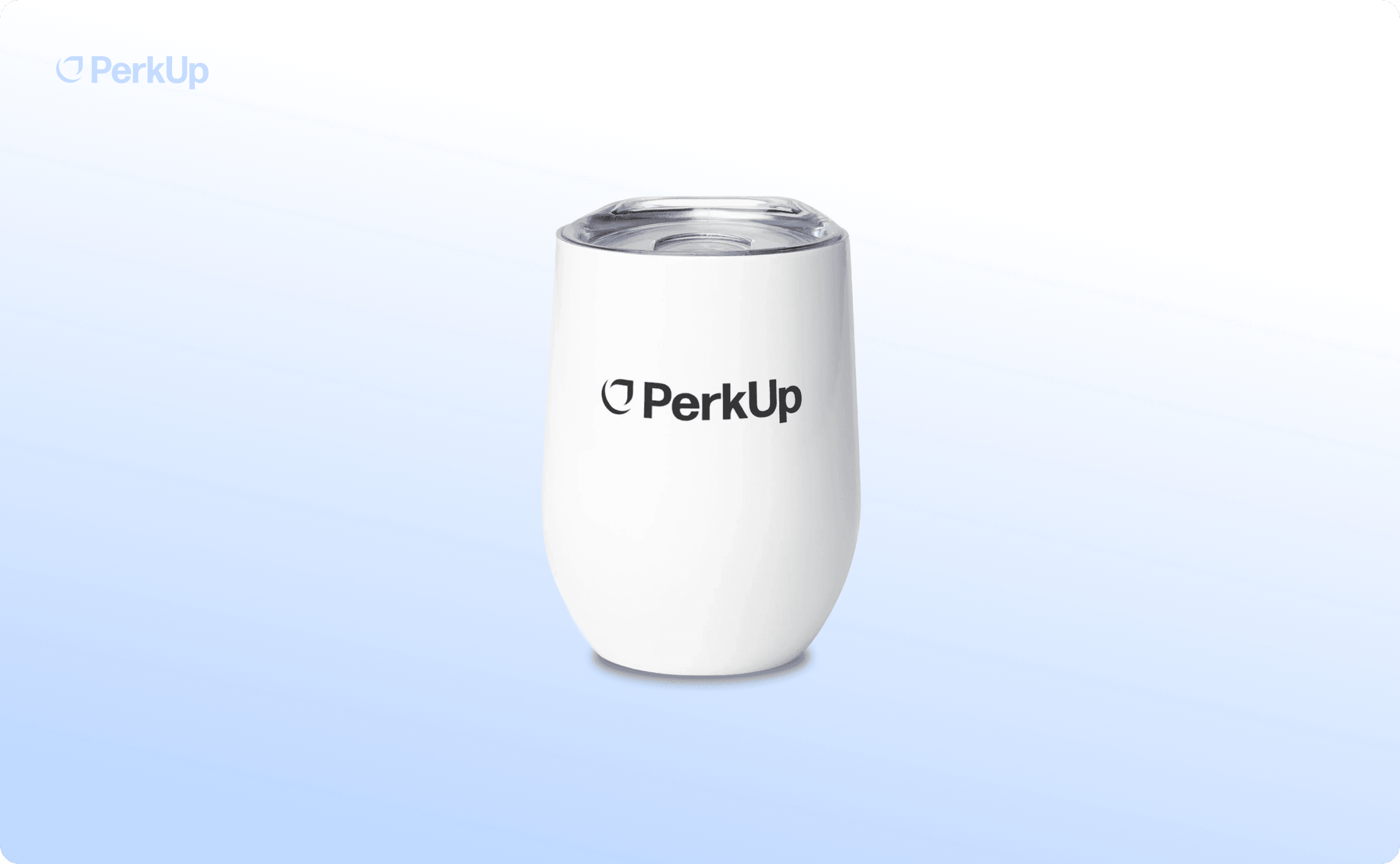
Price range: $25.00
Best for: Lifestyle appreciation and unique recognition moments
This uniquely shaped wine tumbler brings sophistication to outdoor gatherings and everyday use. The high-grade stainless steel construction with double-wall vacuum seal keeps drinks at the perfect temperature, whether it's wine at a picnic or coffee on a workday. At 12 oz capacity with a curved, distinctive 4.7" × 3.5" design, it replaces breakable glassware with something more durable and travel-friendly. Use it to recognize employees who embody work-life balance, celebrate team social events, or thank people who go above and beyond in hosting or organizing company gatherings. Unlike typical office gifts, a wine tumbler signals that you value the whole person, not just their productivity.
👉 Explore the PerkUp Wine Tumbler
How to Choose the Right Recognition Approach
Building an effective recognition program requires matching your approach to your specific organizational needs, culture, and constraints. Here's how to make strategic choices that actually work for your team.
Assess your current recognition gaps
Start by understanding where recognition is already happening and where it's missing. Survey your team about when they last felt recognized, who typically gives recognition, and what types of contributions go unnoticed. Look at your turnover data to see if certain teams, locations, or tenure groups show higher attrition that might indicate recognition gaps.
Pay attention to informal feedback in exit interviews and engagement surveys. When people say they didn't feel valued or appreciated, that's a recognition problem. When they mention that only certain types of work get celebrated, that's a program design issue. These insights tell you where to focus your efforts for maximum impact.
Match recognition to your culture and values
Your recognition program should reinforce the culture you're building, not work against it. If you value collaboration, make sure your program celebrates team achievements as much as individual ones. If innovation is a core value, recognize people who try new approaches even when they don't work perfectly.
Consider your company's communication style too. A formal, traditional organization might need different recognition approaches than a casual startup. The recognition should feel authentic to who you are as a company. Forced enthusiasm or overly casual recognition in a formal environment feels awkward. Stiff corporate recognition in a creative agency falls flat.
Balance frequency and meaningfulness
Recognition needs to happen often enough to feel normal, but not so frequently that it loses meaning. Daily peer-to-peer appreciation can coexist with monthly manager recognition and annual milestone celebrations. The key is creating multiple layers where different types of recognition serve different purposes.
Small, frequent recognition keeps appreciation flowing and makes it part of daily work life. Bigger recognition moments for major achievements or milestones create memorable experiences that people talk about. Both matter. Don't fall into the trap of thinking you need to save recognition for only the biggest moments, or that constant small recognition eliminates the need for meaningful milestone celebrations.
Consider budget and scalability
Recognition programs don't require huge budgets, but they do need sustainable funding. Calculate what you can consistently allocate per employee per year, then design a program that works within those constraints. A program that launches with generous rewards but gets cut six months later does more harm than good.
Think about scalability from the start. A program that works for 50 employees might break at 500. Global gifting capabilities become essential as you hire internationally. Automation becomes necessary as you grow. Build with your future size in mind, not just your current headcount.
Frequently Asked Questions About Employee Recognition Programs
How much should companies budget for employee recognition programs?
Most companies allocate between 1 and 2% of total payroll to recognition and rewards programs. For a company with $10 million in annual payroll, that's $100,000-$200,000 per year. However, the right budget depends on your goals, company size, and industry norms.
Start by calculating a per-employee amount rather than a total budget. Many successful programs operate on $50-$150 per employee per year for gifts and rewards, plus platform costs if you're using recognition software. This covers milestone celebrations, spot bonuses, and peer-to-peer recognition rewards.
Don't forget to budget for the infrastructure too. Platform fees, shipping costs, and administrative time all factor into the total investment. The good news is that recognition ROI typically shows up quickly in retention and engagement metrics. Companies with strong recognition programs see measurably lower turnover, which more than pays for the program investment.
What's the difference between recognition and rewards?
Recognition is the acknowledgment of someone's contribution, behavior, or achievement. Rewards are the tangible items or experiences that accompany that recognition. You can have recognition without rewards, like a public thank you or shoutout. But rewards without genuine recognition feel transactional and miss the emotional impact that drives behavior change.
The most effective programs pair meaningful recognition with appropriate rewards. The recognition explains what the person did and why it matters. The reward creates a tangible memory of that moment. Together, they create a complete experience that feels both emotionally and practically valuable.
Think of recognition as the "why" and rewards as the "what." Both matter, but recognition is what gives the reward its meaning. A gift card handed over with a genuine explanation of someone's impact carries more weight than an expensive gift with no context about why they're receiving it.
How do you measure the success of a recognition program?
Start with leading indicators that show program adoption and engagement. Track how many employees are giving and receiving recognition, how frequently recognition happens, and whether participation is evenly distributed or concentrated in certain teams. These metrics tell you if people are actually using the program.
Then measure the outcomes you care about. Compare turnover rates before and after implementing the program, especially for high-performing employees. Look at engagement survey scores related to feeling valued and appreciated. Track time-to-productivity for new hires if you've added recognition to your onboarding process.
Don't expect an overnight transformation. Recognition programs typically show measurable impact within 6-12 months. Early indicators like participation rates appear within weeks, but retention and engagement changes take longer to materialize. Set baseline metrics before launching so you have clear comparison points.
Should recognition programs be peer-to-peer or manager-led?
The answer is both. Manager-led recognition provides important validation from someone with authority and insight into your performance. Peer-to-peer recognition creates a culture where appreciation flows freely in all directions, not just top-down.
Peer recognition often catches contributions that managers miss. Your colleague who helped you troubleshoot a problem or covered your shift sees your effort firsthand. Empowering peers to recognize each other democratizes appreciation and ensures more moments get celebrated.
The ideal program includes both layers. Managers should be trained and expected to provide regular recognition tied to performance and values. Simultaneously, create easy systems for peers to appreciate each other. Many companies find that peer recognition happens more frequently once you remove barriers and make it part of normal workflows.
How do you make recognition meaningful for remote and distributed teams?
Remote recognition requires more intentionality than in-person appreciation. You can't rely on casual hallway conversations or desk drop-bys. Instead, build recognition into your digital workflows and communication channels.
Use your team chat platform for public recognition that everyone can see. Create dedicated channels for celebrations and shoutouts. Schedule regular video meetings that include time for appreciation, not just business updates. When you send physical recognition gifts to remote employees, the surprise of receiving something tangible in the mail creates a memorable moment that bridges the digital divide.
Pay special attention to time zones and cultural differences in distributed teams. Recognition that happens when half your team is asleep doesn't create the shared moment you're aiming for. Consider asynchronous recognition methods that people can engage with on their own schedule, while still creating visibility across the organization.
What types of rewards do employees actually want?
The short answer is choice. What matters to one employee might mean nothing to another. Some people love branded swag, others prefer experiences, and many want practical items they'll actually use. The best recognition programs offer options rather than assuming everyone wants the same thing.
Research consistently shows that experiential rewards and useful items outperform generic gift cards and plaques. People remember experiences and use practical items daily, creating lasting positive associations. But even within those categories, preferences vary. Some employees want tech accessories, others want home goods, and some prefer charitable donations in their name.
This is where modern recognition platforms shine. Instead of guessing what someone wants, let them choose from a curated catalog of quality options. This ensures everyone receives something they actually value while maintaining consistency in your recognition budget.
How often should employees receive recognition?
The frequency depends on the type of recognition. Small, informal appreciation should happen weekly or even daily. A quick thank you, a shoutout in a meeting, or a peer recognition message costs nothing and keeps appreciation flowing.
Formal recognition with rewards typically happens less frequently but should still be regular. Aim for every employee to receive meaningful recognition at least quarterly, whether through performance-based rewards, milestone celebrations, or spot bonuses for exceptional contributions.
The danger is either extreme. Too little recognition creates a culture where people feel invisible and undervalued. Too much recognition, especially if it's not tied to genuine achievements, can feel insincere and lose its motivational power. Find the rhythm that makes recognition feel special but not rare, meaningful but not forced.
Best Practices for Implementing Your Recognition Program
Building the program is one thing. Getting people to actually use it consistently is another. Here's how to implement recognition in ways that stick.
Start small and expand
Don't try to launch a comprehensive recognition program overnight. Start with one or two elements that address your biggest gaps. Maybe that's automating milestone celebrations or creating a peer recognition system. Get those working smoothly before adding complexity.
This approach lets you learn what resonates with your specific culture. You'll discover which types of recognition people respond to, what rewards they actually want, and where the friction points are in your processes. Use those insights to refine and expand gradually rather than committing to a massive program that might need major changes.
Train managers and model from the top
Managers make or break recognition programs. If they don't participate, their teams won't either. Provide clear training on how to give meaningful recognition, not just generic praise. Show them how to tie recognition to specific behaviors and values. Give them time and budget to recognize their teams regularly.
Leadership participation matters even more. When executives publicly recognize employees, it signals that appreciation is a priority, not just an HR initiative. Make sure your leadership team is visible in the program, both giving and receiving recognition. Their participation gives everyone else permission to engage fully.
Make it easy and accessible
Friction kills participation. If recognition requires multiple steps, special approvals, or navigating complex systems, people won't do it consistently. Integrate recognition into tools people already use daily. Make it possible to recognize someone in under a minute.
This is especially important for peer-to-peer recognition. If giving recognition is easier than not giving it, you'll see much higher participation. Simple interfaces, mobile accessibility, and integration with communication tools all reduce barriers to regular appreciation.
Celebrate the celebrations
Make recognition moments visible across your organization. When someone gets recognized, share it in company channels, team meetings, or newsletters. This serves multiple purposes: it makes the recipient feel valued publicly, it shows others what behaviors get celebrated, and it reminds everyone that recognition is happening and they should participate too.
Public recognition also creates a positive feedback loop. People see appreciation happening and want to be part of it. They start looking for opportunities to recognize their colleagues. They feel motivated to earn recognition themselves. This visibility transforms recognition from isolated moments into a cultural movement.
Gather feedback and iterate
Your first version won't be perfect. Plan to collect feedback quarterly and make adjustments. Survey employees about what types of recognition they value most, whether rewards are hitting the mark, and where they see gaps in the current program.
Pay attention to participation data too. If certain teams or locations aren't engaging with the program, dig into why. Maybe they need different communication about how it works. Maybe the rewards don't resonate with their preferences. Maybe their managers need more training. Use data to identify problems before they become major issues.
Building Recognition Into Your Culture
The most successful recognition programs eventually become invisible infrastructure. They're just how your company operates, not a special initiative that requires constant promotion. Getting to that point takes time and consistent effort, but the payoff is a culture where people genuinely feel valued and motivated to do their best work.
Start by identifying your biggest recognition gaps and choosing one or two initiatives that address them directly. Maybe you need to automate work anniversary recognition so milestones stop getting missed. Maybe you need to give your team better tools for peer appreciation. Maybe you need to upgrade from generic rewards to gifts people actually want.
Whatever you choose, commit to consistency. Recognition programs fail when they launch with fanfare and then fade away. They succeed when they become reliable, which is the expected part of your employee experience. Your team should know that achievements will be noticed, milestones will be celebrated, and contributions will be appreciated, not because of a special initiative, but because that's simply how your organization works.
Ready to build a recognition program that actually drives results? Book a demo to see how PerkUp makes it easy to recognize your team with thoughtful gifts they'll love, automated milestone celebrations, and global delivery that works wherever your people are located. No minimums, no hassle, just meaningful recognition that scales with your team.

Your team just closed a major deal. An employee hit their five-year anniversary. Someone went above and beyond to help a struggling colleague. These moments happen every day in your organization, but here's the question: are you recognizing them in ways that actually matter?
Most companies have some form of employee recognition. Maybe it's a shoutout in Slack, a gift card sent via email, or an annual awards ceremony. However, recognition that truly drives engagement, retention, and performance requires more than occasional gestures. It needs structure, consistency, and genuine thought about what makes your people feel valued.
The good news? Building an effective recognition program doesn't require a massive budget or complex systems. What it does require is a clear strategy that connects recognition to your culture, makes it easy for everyone to participate, and offers rewards that people actually want. This guide will walk you through exactly how to create a recognition program that becomes a cornerstone of your employee experience.
What are employee recognition programs?
Employee recognition programs are structured approaches to acknowledging and rewarding people for their contributions, achievements, and behaviors that align with company values. Unlike random acts of appreciation, these programs create consistent systems for celebrating everything from daily wins to major milestones.
The concept isn't new. Companies have been giving out service awards and employee-of-the-month plaques for decades. But modern recognition programs have evolved far beyond generic trophies gathering dust on shelves. Today's programs blend technology, personalization, and meaningful rewards to create experiences that resonate with diverse, often distributed workforces.
Recognition programs typically include several components: peer-to-peer recognition tools that let anyone celebrate anyone, milestone celebrations for birthdays and work anniversaries, performance-based rewards for hitting goals or exemplifying values, and spot bonuses for exceptional contributions. The best programs weave these elements together into a cohesive experience that makes appreciation a daily habit rather than an annual event.
What makes a program truly effective isn't the specific tools you use. It's whether recognition happens frequently, feels genuine, connects to what people actually value, and reinforces the behaviors you want to see more of. When done right, recognition becomes part of your cultural DNA rather than an HR initiative people tolerate.
Why Employee Recognition Programs Matter
Recognition programs directly impact the metrics that keep executives up at night: retention, engagement, productivity, and culture. But the connection isn't always obvious until you see the data.
Retention and turnover costs
Losing good people is expensive. Replacing an employee typically costs 50-200% of their annual salary when you factor in recruiting, onboarding, lost productivity, and the time it takes for someone new to reach full effectiveness. Recognition programs create a buffer against turnover by making people feel valued enough to stay, even when recruiters come calling with higher salaries.
The employees most likely to leave aren't always the ones struggling with performance. Often, they're your solid contributors who feel invisible because recognition only flows to the top performers or the people who make the most noise. A structured program ensures everyone gets noticed for their contributions, not just the obvious stars.
Engagement and daily performance
Engaged employees don't just show up. They bring discretionary effort, the extra 20% that separates good work from exceptional work. Recognition fuels this engagement by creating a clear line between effort and acknowledgment. When people see their contributions matter, they contribute more.
This isn't about participation trophies. It's about creating feedback loops where people understand what success looks like and feel motivated to achieve it. Recognition programs make these feedback loops visible and consistent across your organization.
Culture and values reinforcement
Your company values probably live on a poster somewhere or in your employee handbook. Recognition programs bring them to life. When you tie recognition to specific values, you show people what those values look like in action. Someone gets recognized for "customer obsession" by staying late to solve a client issue. Another person gets celebrated for "innovation" by suggesting a process improvement that saves time.
Over time, these recognitions create a shared understanding of what your culture actually means, not just what you say it means. New employees see what behaviors get celebrated and adjust accordingly. Long-time employees get reinforcement that their approach aligns with where the company is headed.
Connection in distributed teams
Remote and hybrid work has made recognition more important and more challenging. When you're not sharing physical space, the casual "great job" in the hallway disappears. Recognition programs create structured touchpoints that help distributed teams stay connected and appreciated. They become the digital equivalent of those water cooler moments where people build relationships and feel part of something bigger than their individual roles.

Creative Ways to Celebrate Through Recognition Programs
Effective recognition programs go beyond the standard "employee of the month" approach. The best programs offer multiple ways for people to feel appreciated, matching different preferences and situations.
Peer-to-Peer recognition systems
Give everyone the ability to recognize anyone else. This democratizes appreciation and ensures recognition flows in all directions, not just top-down. Set up a simple system where employees can send recognition messages tied to company values, visible to the whole team. Many companies pair this with small point systems where people can accumulate recognition points and redeem them for rewards.
The key is making it easy and public. Recognition that happens privately in email doesn't create the ripple effect of appreciation that builds culture. When someone gets recognized in a team channel or company-wide platform, it reminds everyone else to look for opportunities to appreciate their colleagues.
Automated milestone celebrations
Birthdays and work anniversaries shouldn't require HR to maintain a spreadsheet. Automate work anniversary recognition so every milestone gets celebrated consistently. Set up different gift tiers for different anniversary years, letting employees choose rewards that matter to them rather than receiving generic plaques.
The automation ensures nobody falls through the cracks. Your remote employee in Portugal gets the same thoughtful recognition as someone at headquarters. Your part-time team members get celebrated just like full-timers. Consistency matters more than you might think. When someone sees their anniversary forgotten while others get celebrated, it sends a message about their value to the organization.
Spot bonuses and surprise recognition
Some contributions deserve immediate recognition. Create a system for managers to award spot bonuses or instant gifts when someone goes above and beyond. This could be as simple as a small gift card or as meaningful as a curated gift package. The timing matters more than the dollar amount. Recognition that arrives while the achievement is fresh feels more genuine than something that shows up weeks later.
Team celebration moments
Not all recognition needs to be individual. When a team hits a major goal or completes a challenging project, celebrate together. Send the whole team something they can enjoy collectively, like a virtual cooking class, a team swag package, or gift cards for a team lunch. These shared experiences build camaraderie while recognizing collaborative achievements.
Value-based recognition campaigns
Run monthly or quarterly campaigns focused on specific company values. Challenge everyone to recognize colleagues who exemplify "customer focus" this month or "innovation" next quarter. This keeps your values front and center while giving people a framework for noticing and appreciating specific behaviors.
Manager-led recognition rituals
Train managers to build recognition into their team rhythms. Start team meetings with appreciation shoutouts. End weeks by having everyone share something they appreciated about a colleague. These rituals cost nothing but create consistent moments where recognition becomes expected and normal rather than rare and awkward.
Recognition Rewards That People Actually Want
The reward matters as much as the recognition itself. Generic gifts that everyone receives regardless of preference send the message that you didn't really think about what would make them feel valued. Here are seven options that work across different recognition scenarios, from everyday appreciation to major milestones.
PerkUp Embroidered Unisex Hoodie

Price range: $42.00
Best for: Work anniversaries, team milestones, and creating a sense of belonging
The softest hoodie your team will ever own comes with premium embroidered branding that feels elevated, not corporate. Made with 100% cotton face and a 65% ring-spun cotton, 35% polyester blend, this hoodie works for year-round wear with its warm 3-panel hood and convenient front pouch pocket. Available in Black, Carbon Grey, Charcoal Heather, and White across sizes S-3XL, it lets employees choose what actually fits their style. Use it for annual anniversary gifts or welcome packages where recipients can select their preferred color and size. When your team wears branded gear by choice, not obligation, it signals genuine pride in being part of your organization.
👉 Explore the PerkUp Embroidered Unisex Hoodie
PerkUp Ampx Portable Charger

Price range: $80.99
Best for: Spot bonuses, performance rewards, and practical appreciation
This sleek portable powerbank combines sustainability with serious functionality. The 6000mAh lithium polymer battery charges most phones 2-3 times while fitting easily in a pocket or bag, making it perfect for employees who work remotely or travel frequently. Made from 100% recycled ABS plastic with included USB-C cables, it solves daily frustrations while aligning with environmental values. Use it as a reward for employees who complete major projects or hit significant goals. Every time they charge their device, they'll remember the achievement that earned it. Unlike consumable rewards that disappear, practical tech creates lasting positive associations with your recognition program.
👉 Explore the PerkUp Ampx Portable Charger
PerkUp Enamel Mug

Price range: $19.50
Best for: Peer-to-peer recognition programs and team appreciation
This lightweight enamel mug brings a unique, outdoorsy vibe to everyday recognition. The durable design with white coating and silver rim works for hot beverages or meals, making it practical for office use or remote workers who want something distinctive. At 3.14" height and 3.25" diameter, it's compact enough for daily use but substantial enough to feel like a real gift. Use it for peer-to-peer recognition programs where employees nominate colleagues who embody company values, or as part of milestone celebration packages. The classic enamel aesthetic creates a collectible feel that stands out from typical corporate swag, turning everyday coffee breaks into reminders of appreciation.
👉 Explore the PerkUp Enamel Mug
JournalBook Hardcover Bound Notebook

Price range: $24.99
Best for: Special achievement recognition and professional development milestones
A premium notebook sends a thoughtful message about investing in someone's growth and ideas. This hardcover journal features 80 pages of lined, cream-colored paper with an UltraHyde cover that feels substantial and professional. The built-in elastic closure, matching ribbon page marker, and expandable inner pocket for storing notes make it genuinely useful for meetings, brainstorming sessions, or personal planning. Use it to recognize employees who complete training programs, hit quarterly goals, or take on leadership roles. At 5.5" × 8.5", it's perfectly sized for daily use without being bulky, making it a gift people actually carry and use rather than file away.
👉 Explore the JournalBook Hardcover Bound Notebook
AEG Vision Template Stainless Steel Tumbler

Price range: $41.99
Best for: Team recognition and daily use appreciation
This high-grade stainless steel tumbler combines practicality with premium quality. The 20-oz capacity works for hot or cold drinks throughout the day, while the included metal straw and lid make it genuinely reusable and convenient. Available in Black or White with customizable branding, it measures 3.11" × 8.42" for easy daily carry. Use it for team-level recognition when groups hit major milestones, or as part of welcome packages where new hires get practical gear they'll actually use. The cylindrical design fits standard cup holders, making it perfect for remote workers, commuters, or anyone who wants to stay hydrated while reducing single-use waste. Unlike items that sit on shelves, a quality tumbler becomes part of someone's daily routine.
👉 Explore the AEG Vision Template Stainless Steel Tumbler
PerkUp Wine Tumbler

Price range: $25.00
Best for: Lifestyle appreciation and unique recognition moments
This uniquely shaped wine tumbler brings sophistication to outdoor gatherings and everyday use. The high-grade stainless steel construction with double-wall vacuum seal keeps drinks at the perfect temperature, whether it's wine at a picnic or coffee on a workday. At 12 oz capacity with a curved, distinctive 4.7" × 3.5" design, it replaces breakable glassware with something more durable and travel-friendly. Use it to recognize employees who embody work-life balance, celebrate team social events, or thank people who go above and beyond in hosting or organizing company gatherings. Unlike typical office gifts, a wine tumbler signals that you value the whole person, not just their productivity.
👉 Explore the PerkUp Wine Tumbler

How to Choose the Right Recognition Approach
Building an effective recognition program requires matching your approach to your specific organizational needs, culture, and constraints. Here's how to make strategic choices that actually work for your team.
Assess your current recognition gaps
Start by understanding where recognition is already happening and where it's missing. Survey your team about when they last felt recognized, who typically gives recognition, and what types of contributions go unnoticed. Look at your turnover data to see if certain teams, locations, or tenure groups show higher attrition that might indicate recognition gaps.
Pay attention to informal feedback in exit interviews and engagement surveys. When people say they didn't feel valued or appreciated, that's a recognition problem. When they mention that only certain types of work get celebrated, that's a program design issue. These insights tell you where to focus your efforts for maximum impact.
Match recognition to your culture and values
Your recognition program should reinforce the culture you're building, not work against it. If you value collaboration, make sure your program celebrates team achievements as much as individual ones. If innovation is a core value, recognize people who try new approaches even when they don't work perfectly.
Consider your company's communication style too. A formal, traditional organization might need different recognition approaches than a casual startup. The recognition should feel authentic to who you are as a company. Forced enthusiasm or overly casual recognition in a formal environment feels awkward. Stiff corporate recognition in a creative agency falls flat.
Balance frequency and meaningfulness
Recognition needs to happen often enough to feel normal, but not so frequently that it loses meaning. Daily peer-to-peer appreciation can coexist with monthly manager recognition and annual milestone celebrations. The key is creating multiple layers where different types of recognition serve different purposes.
Small, frequent recognition keeps appreciation flowing and makes it part of daily work life. Bigger recognition moments for major achievements or milestones create memorable experiences that people talk about. Both matter. Don't fall into the trap of thinking you need to save recognition for only the biggest moments, or that constant small recognition eliminates the need for meaningful milestone celebrations.
Consider budget and scalability
Recognition programs don't require huge budgets, but they do need sustainable funding. Calculate what you can consistently allocate per employee per year, then design a program that works within those constraints. A program that launches with generous rewards but gets cut six months later does more harm than good.
Think about scalability from the start. A program that works for 50 employees might break at 500. Global gifting capabilities become essential as you hire internationally. Automation becomes necessary as you grow. Build with your future size in mind, not just your current headcount.
Frequently Asked Questions About Employee Recognition Programs
How much should companies budget for employee recognition programs?
Most companies allocate between 1 and 2% of total payroll to recognition and rewards programs. For a company with $10 million in annual payroll, that's $100,000-$200,000 per year. However, the right budget depends on your goals, company size, and industry norms.
Start by calculating a per-employee amount rather than a total budget. Many successful programs operate on $50-$150 per employee per year for gifts and rewards, plus platform costs if you're using recognition software. This covers milestone celebrations, spot bonuses, and peer-to-peer recognition rewards.
Don't forget to budget for the infrastructure too. Platform fees, shipping costs, and administrative time all factor into the total investment. The good news is that recognition ROI typically shows up quickly in retention and engagement metrics. Companies with strong recognition programs see measurably lower turnover, which more than pays for the program investment.
What's the difference between recognition and rewards?
Recognition is the acknowledgment of someone's contribution, behavior, or achievement. Rewards are the tangible items or experiences that accompany that recognition. You can have recognition without rewards, like a public thank you or shoutout. But rewards without genuine recognition feel transactional and miss the emotional impact that drives behavior change.
The most effective programs pair meaningful recognition with appropriate rewards. The recognition explains what the person did and why it matters. The reward creates a tangible memory of that moment. Together, they create a complete experience that feels both emotionally and practically valuable.
Think of recognition as the "why" and rewards as the "what." Both matter, but recognition is what gives the reward its meaning. A gift card handed over with a genuine explanation of someone's impact carries more weight than an expensive gift with no context about why they're receiving it.
How do you measure the success of a recognition program?
Start with leading indicators that show program adoption and engagement. Track how many employees are giving and receiving recognition, how frequently recognition happens, and whether participation is evenly distributed or concentrated in certain teams. These metrics tell you if people are actually using the program.
Then measure the outcomes you care about. Compare turnover rates before and after implementing the program, especially for high-performing employees. Look at engagement survey scores related to feeling valued and appreciated. Track time-to-productivity for new hires if you've added recognition to your onboarding process.
Don't expect an overnight transformation. Recognition programs typically show measurable impact within 6-12 months. Early indicators like participation rates appear within weeks, but retention and engagement changes take longer to materialize. Set baseline metrics before launching so you have clear comparison points.
Should recognition programs be peer-to-peer or manager-led?
The answer is both. Manager-led recognition provides important validation from someone with authority and insight into your performance. Peer-to-peer recognition creates a culture where appreciation flows freely in all directions, not just top-down.
Peer recognition often catches contributions that managers miss. Your colleague who helped you troubleshoot a problem or covered your shift sees your effort firsthand. Empowering peers to recognize each other democratizes appreciation and ensures more moments get celebrated.
The ideal program includes both layers. Managers should be trained and expected to provide regular recognition tied to performance and values. Simultaneously, create easy systems for peers to appreciate each other. Many companies find that peer recognition happens more frequently once you remove barriers and make it part of normal workflows.
How do you make recognition meaningful for remote and distributed teams?
Remote recognition requires more intentionality than in-person appreciation. You can't rely on casual hallway conversations or desk drop-bys. Instead, build recognition into your digital workflows and communication channels.
Use your team chat platform for public recognition that everyone can see. Create dedicated channels for celebrations and shoutouts. Schedule regular video meetings that include time for appreciation, not just business updates. When you send physical recognition gifts to remote employees, the surprise of receiving something tangible in the mail creates a memorable moment that bridges the digital divide.
Pay special attention to time zones and cultural differences in distributed teams. Recognition that happens when half your team is asleep doesn't create the shared moment you're aiming for. Consider asynchronous recognition methods that people can engage with on their own schedule, while still creating visibility across the organization.
What types of rewards do employees actually want?
The short answer is choice. What matters to one employee might mean nothing to another. Some people love branded swag, others prefer experiences, and many want practical items they'll actually use. The best recognition programs offer options rather than assuming everyone wants the same thing.
Research consistently shows that experiential rewards and useful items outperform generic gift cards and plaques. People remember experiences and use practical items daily, creating lasting positive associations. But even within those categories, preferences vary. Some employees want tech accessories, others want home goods, and some prefer charitable donations in their name.
This is where modern recognition platforms shine. Instead of guessing what someone wants, let them choose from a curated catalog of quality options. This ensures everyone receives something they actually value while maintaining consistency in your recognition budget.
How often should employees receive recognition?
The frequency depends on the type of recognition. Small, informal appreciation should happen weekly or even daily. A quick thank you, a shoutout in a meeting, or a peer recognition message costs nothing and keeps appreciation flowing.
Formal recognition with rewards typically happens less frequently but should still be regular. Aim for every employee to receive meaningful recognition at least quarterly, whether through performance-based rewards, milestone celebrations, or spot bonuses for exceptional contributions.
The danger is either extreme. Too little recognition creates a culture where people feel invisible and undervalued. Too much recognition, especially if it's not tied to genuine achievements, can feel insincere and lose its motivational power. Find the rhythm that makes recognition feel special but not rare, meaningful but not forced.
Best Practices for Implementing Your Recognition Program
Building the program is one thing. Getting people to actually use it consistently is another. Here's how to implement recognition in ways that stick.
Start small and expand
Don't try to launch a comprehensive recognition program overnight. Start with one or two elements that address your biggest gaps. Maybe that's automating milestone celebrations or creating a peer recognition system. Get those working smoothly before adding complexity.
This approach lets you learn what resonates with your specific culture. You'll discover which types of recognition people respond to, what rewards they actually want, and where the friction points are in your processes. Use those insights to refine and expand gradually rather than committing to a massive program that might need major changes.
Train managers and model from the top
Managers make or break recognition programs. If they don't participate, their teams won't either. Provide clear training on how to give meaningful recognition, not just generic praise. Show them how to tie recognition to specific behaviors and values. Give them time and budget to recognize their teams regularly.
Leadership participation matters even more. When executives publicly recognize employees, it signals that appreciation is a priority, not just an HR initiative. Make sure your leadership team is visible in the program, both giving and receiving recognition. Their participation gives everyone else permission to engage fully.
Make it easy and accessible
Friction kills participation. If recognition requires multiple steps, special approvals, or navigating complex systems, people won't do it consistently. Integrate recognition into tools people already use daily. Make it possible to recognize someone in under a minute.
This is especially important for peer-to-peer recognition. If giving recognition is easier than not giving it, you'll see much higher participation. Simple interfaces, mobile accessibility, and integration with communication tools all reduce barriers to regular appreciation.
Celebrate the celebrations
Make recognition moments visible across your organization. When someone gets recognized, share it in company channels, team meetings, or newsletters. This serves multiple purposes: it makes the recipient feel valued publicly, it shows others what behaviors get celebrated, and it reminds everyone that recognition is happening and they should participate too.
Public recognition also creates a positive feedback loop. People see appreciation happening and want to be part of it. They start looking for opportunities to recognize their colleagues. They feel motivated to earn recognition themselves. This visibility transforms recognition from isolated moments into a cultural movement.
Gather feedback and iterate
Your first version won't be perfect. Plan to collect feedback quarterly and make adjustments. Survey employees about what types of recognition they value most, whether rewards are hitting the mark, and where they see gaps in the current program.
Pay attention to participation data too. If certain teams or locations aren't engaging with the program, dig into why. Maybe they need different communication about how it works. Maybe the rewards don't resonate with their preferences. Maybe their managers need more training. Use data to identify problems before they become major issues.
Building Recognition Into Your Culture
The most successful recognition programs eventually become invisible infrastructure. They're just how your company operates, not a special initiative that requires constant promotion. Getting to that point takes time and consistent effort, but the payoff is a culture where people genuinely feel valued and motivated to do their best work.
Start by identifying your biggest recognition gaps and choosing one or two initiatives that address them directly. Maybe you need to automate work anniversary recognition so milestones stop getting missed. Maybe you need to give your team better tools for peer appreciation. Maybe you need to upgrade from generic rewards to gifts people actually want.
Whatever you choose, commit to consistency. Recognition programs fail when they launch with fanfare and then fade away. They succeed when they become reliable, which is the expected part of your employee experience. Your team should know that achievements will be noticed, milestones will be celebrated, and contributions will be appreciated, not because of a special initiative, but because that's simply how your organization works.
Ready to build a recognition program that actually drives results? Book a demo to see how PerkUp makes it easy to recognize your team with thoughtful gifts they'll love, automated milestone celebrations, and global delivery that works wherever your people are located. No minimums, no hassle, just meaningful recognition that scales with your team.

Your team just closed a major deal. An employee hit their five-year anniversary. Someone went above and beyond to help a struggling colleague. These moments happen every day in your organization, but here's the question: are you recognizing them in ways that actually matter?
Most companies have some form of employee recognition. Maybe it's a shoutout in Slack, a gift card sent via email, or an annual awards ceremony. However, recognition that truly drives engagement, retention, and performance requires more than occasional gestures. It needs structure, consistency, and genuine thought about what makes your people feel valued.
The good news? Building an effective recognition program doesn't require a massive budget or complex systems. What it does require is a clear strategy that connects recognition to your culture, makes it easy for everyone to participate, and offers rewards that people actually want. This guide will walk you through exactly how to create a recognition program that becomes a cornerstone of your employee experience.
What are employee recognition programs?
Employee recognition programs are structured approaches to acknowledging and rewarding people for their contributions, achievements, and behaviors that align with company values. Unlike random acts of appreciation, these programs create consistent systems for celebrating everything from daily wins to major milestones.
The concept isn't new. Companies have been giving out service awards and employee-of-the-month plaques for decades. But modern recognition programs have evolved far beyond generic trophies gathering dust on shelves. Today's programs blend technology, personalization, and meaningful rewards to create experiences that resonate with diverse, often distributed workforces.
Recognition programs typically include several components: peer-to-peer recognition tools that let anyone celebrate anyone, milestone celebrations for birthdays and work anniversaries, performance-based rewards for hitting goals or exemplifying values, and spot bonuses for exceptional contributions. The best programs weave these elements together into a cohesive experience that makes appreciation a daily habit rather than an annual event.
What makes a program truly effective isn't the specific tools you use. It's whether recognition happens frequently, feels genuine, connects to what people actually value, and reinforces the behaviors you want to see more of. When done right, recognition becomes part of your cultural DNA rather than an HR initiative people tolerate.
Why Employee Recognition Programs Matter
Recognition programs directly impact the metrics that keep executives up at night: retention, engagement, productivity, and culture. But the connection isn't always obvious until you see the data.
Retention and turnover costs
Losing good people is expensive. Replacing an employee typically costs 50-200% of their annual salary when you factor in recruiting, onboarding, lost productivity, and the time it takes for someone new to reach full effectiveness. Recognition programs create a buffer against turnover by making people feel valued enough to stay, even when recruiters come calling with higher salaries.
The employees most likely to leave aren't always the ones struggling with performance. Often, they're your solid contributors who feel invisible because recognition only flows to the top performers or the people who make the most noise. A structured program ensures everyone gets noticed for their contributions, not just the obvious stars.
Engagement and daily performance
Engaged employees don't just show up. They bring discretionary effort, the extra 20% that separates good work from exceptional work. Recognition fuels this engagement by creating a clear line between effort and acknowledgment. When people see their contributions matter, they contribute more.
This isn't about participation trophies. It's about creating feedback loops where people understand what success looks like and feel motivated to achieve it. Recognition programs make these feedback loops visible and consistent across your organization.
Culture and values reinforcement
Your company values probably live on a poster somewhere or in your employee handbook. Recognition programs bring them to life. When you tie recognition to specific values, you show people what those values look like in action. Someone gets recognized for "customer obsession" by staying late to solve a client issue. Another person gets celebrated for "innovation" by suggesting a process improvement that saves time.
Over time, these recognitions create a shared understanding of what your culture actually means, not just what you say it means. New employees see what behaviors get celebrated and adjust accordingly. Long-time employees get reinforcement that their approach aligns with where the company is headed.
Connection in distributed teams
Remote and hybrid work has made recognition more important and more challenging. When you're not sharing physical space, the casual "great job" in the hallway disappears. Recognition programs create structured touchpoints that help distributed teams stay connected and appreciated. They become the digital equivalent of those water cooler moments where people build relationships and feel part of something bigger than their individual roles.

Creative Ways to Celebrate Through Recognition Programs
Effective recognition programs go beyond the standard "employee of the month" approach. The best programs offer multiple ways for people to feel appreciated, matching different preferences and situations.
Peer-to-Peer recognition systems
Give everyone the ability to recognize anyone else. This democratizes appreciation and ensures recognition flows in all directions, not just top-down. Set up a simple system where employees can send recognition messages tied to company values, visible to the whole team. Many companies pair this with small point systems where people can accumulate recognition points and redeem them for rewards.
The key is making it easy and public. Recognition that happens privately in email doesn't create the ripple effect of appreciation that builds culture. When someone gets recognized in a team channel or company-wide platform, it reminds everyone else to look for opportunities to appreciate their colleagues.
Automated milestone celebrations
Birthdays and work anniversaries shouldn't require HR to maintain a spreadsheet. Automate work anniversary recognition so every milestone gets celebrated consistently. Set up different gift tiers for different anniversary years, letting employees choose rewards that matter to them rather than receiving generic plaques.
The automation ensures nobody falls through the cracks. Your remote employee in Portugal gets the same thoughtful recognition as someone at headquarters. Your part-time team members get celebrated just like full-timers. Consistency matters more than you might think. When someone sees their anniversary forgotten while others get celebrated, it sends a message about their value to the organization.
Spot bonuses and surprise recognition
Some contributions deserve immediate recognition. Create a system for managers to award spot bonuses or instant gifts when someone goes above and beyond. This could be as simple as a small gift card or as meaningful as a curated gift package. The timing matters more than the dollar amount. Recognition that arrives while the achievement is fresh feels more genuine than something that shows up weeks later.
Team celebration moments
Not all recognition needs to be individual. When a team hits a major goal or completes a challenging project, celebrate together. Send the whole team something they can enjoy collectively, like a virtual cooking class, a team swag package, or gift cards for a team lunch. These shared experiences build camaraderie while recognizing collaborative achievements.
Value-based recognition campaigns
Run monthly or quarterly campaigns focused on specific company values. Challenge everyone to recognize colleagues who exemplify "customer focus" this month or "innovation" next quarter. This keeps your values front and center while giving people a framework for noticing and appreciating specific behaviors.
Manager-led recognition rituals
Train managers to build recognition into their team rhythms. Start team meetings with appreciation shoutouts. End weeks by having everyone share something they appreciated about a colleague. These rituals cost nothing but create consistent moments where recognition becomes expected and normal rather than rare and awkward.
Recognition Rewards That People Actually Want
The reward matters as much as the recognition itself. Generic gifts that everyone receives regardless of preference send the message that you didn't really think about what would make them feel valued. Here are seven options that work across different recognition scenarios, from everyday appreciation to major milestones.
PerkUp Embroidered Unisex Hoodie

Price range: $42.00
Best for: Work anniversaries, team milestones, and creating a sense of belonging
The softest hoodie your team will ever own comes with premium embroidered branding that feels elevated, not corporate. Made with 100% cotton face and a 65% ring-spun cotton, 35% polyester blend, this hoodie works for year-round wear with its warm 3-panel hood and convenient front pouch pocket. Available in Black, Carbon Grey, Charcoal Heather, and White across sizes S-3XL, it lets employees choose what actually fits their style. Use it for annual anniversary gifts or welcome packages where recipients can select their preferred color and size. When your team wears branded gear by choice, not obligation, it signals genuine pride in being part of your organization.
👉 Explore the PerkUp Embroidered Unisex Hoodie
PerkUp Ampx Portable Charger

Price range: $80.99
Best for: Spot bonuses, performance rewards, and practical appreciation
This sleek portable powerbank combines sustainability with serious functionality. The 6000mAh lithium polymer battery charges most phones 2-3 times while fitting easily in a pocket or bag, making it perfect for employees who work remotely or travel frequently. Made from 100% recycled ABS plastic with included USB-C cables, it solves daily frustrations while aligning with environmental values. Use it as a reward for employees who complete major projects or hit significant goals. Every time they charge their device, they'll remember the achievement that earned it. Unlike consumable rewards that disappear, practical tech creates lasting positive associations with your recognition program.
👉 Explore the PerkUp Ampx Portable Charger
PerkUp Enamel Mug

Price range: $19.50
Best for: Peer-to-peer recognition programs and team appreciation
This lightweight enamel mug brings a unique, outdoorsy vibe to everyday recognition. The durable design with white coating and silver rim works for hot beverages or meals, making it practical for office use or remote workers who want something distinctive. At 3.14" height and 3.25" diameter, it's compact enough for daily use but substantial enough to feel like a real gift. Use it for peer-to-peer recognition programs where employees nominate colleagues who embody company values, or as part of milestone celebration packages. The classic enamel aesthetic creates a collectible feel that stands out from typical corporate swag, turning everyday coffee breaks into reminders of appreciation.
👉 Explore the PerkUp Enamel Mug
JournalBook Hardcover Bound Notebook

Price range: $24.99
Best for: Special achievement recognition and professional development milestones
A premium notebook sends a thoughtful message about investing in someone's growth and ideas. This hardcover journal features 80 pages of lined, cream-colored paper with an UltraHyde cover that feels substantial and professional. The built-in elastic closure, matching ribbon page marker, and expandable inner pocket for storing notes make it genuinely useful for meetings, brainstorming sessions, or personal planning. Use it to recognize employees who complete training programs, hit quarterly goals, or take on leadership roles. At 5.5" × 8.5", it's perfectly sized for daily use without being bulky, making it a gift people actually carry and use rather than file away.
👉 Explore the JournalBook Hardcover Bound Notebook
AEG Vision Template Stainless Steel Tumbler

Price range: $41.99
Best for: Team recognition and daily use appreciation
This high-grade stainless steel tumbler combines practicality with premium quality. The 20-oz capacity works for hot or cold drinks throughout the day, while the included metal straw and lid make it genuinely reusable and convenient. Available in Black or White with customizable branding, it measures 3.11" × 8.42" for easy daily carry. Use it for team-level recognition when groups hit major milestones, or as part of welcome packages where new hires get practical gear they'll actually use. The cylindrical design fits standard cup holders, making it perfect for remote workers, commuters, or anyone who wants to stay hydrated while reducing single-use waste. Unlike items that sit on shelves, a quality tumbler becomes part of someone's daily routine.
👉 Explore the AEG Vision Template Stainless Steel Tumbler
PerkUp Wine Tumbler

Price range: $25.00
Best for: Lifestyle appreciation and unique recognition moments
This uniquely shaped wine tumbler brings sophistication to outdoor gatherings and everyday use. The high-grade stainless steel construction with double-wall vacuum seal keeps drinks at the perfect temperature, whether it's wine at a picnic or coffee on a workday. At 12 oz capacity with a curved, distinctive 4.7" × 3.5" design, it replaces breakable glassware with something more durable and travel-friendly. Use it to recognize employees who embody work-life balance, celebrate team social events, or thank people who go above and beyond in hosting or organizing company gatherings. Unlike typical office gifts, a wine tumbler signals that you value the whole person, not just their productivity.
👉 Explore the PerkUp Wine Tumbler

How to Choose the Right Recognition Approach
Building an effective recognition program requires matching your approach to your specific organizational needs, culture, and constraints. Here's how to make strategic choices that actually work for your team.
Assess your current recognition gaps
Start by understanding where recognition is already happening and where it's missing. Survey your team about when they last felt recognized, who typically gives recognition, and what types of contributions go unnoticed. Look at your turnover data to see if certain teams, locations, or tenure groups show higher attrition that might indicate recognition gaps.
Pay attention to informal feedback in exit interviews and engagement surveys. When people say they didn't feel valued or appreciated, that's a recognition problem. When they mention that only certain types of work get celebrated, that's a program design issue. These insights tell you where to focus your efforts for maximum impact.
Match recognition to your culture and values
Your recognition program should reinforce the culture you're building, not work against it. If you value collaboration, make sure your program celebrates team achievements as much as individual ones. If innovation is a core value, recognize people who try new approaches even when they don't work perfectly.
Consider your company's communication style too. A formal, traditional organization might need different recognition approaches than a casual startup. The recognition should feel authentic to who you are as a company. Forced enthusiasm or overly casual recognition in a formal environment feels awkward. Stiff corporate recognition in a creative agency falls flat.
Balance frequency and meaningfulness
Recognition needs to happen often enough to feel normal, but not so frequently that it loses meaning. Daily peer-to-peer appreciation can coexist with monthly manager recognition and annual milestone celebrations. The key is creating multiple layers where different types of recognition serve different purposes.
Small, frequent recognition keeps appreciation flowing and makes it part of daily work life. Bigger recognition moments for major achievements or milestones create memorable experiences that people talk about. Both matter. Don't fall into the trap of thinking you need to save recognition for only the biggest moments, or that constant small recognition eliminates the need for meaningful milestone celebrations.
Consider budget and scalability
Recognition programs don't require huge budgets, but they do need sustainable funding. Calculate what you can consistently allocate per employee per year, then design a program that works within those constraints. A program that launches with generous rewards but gets cut six months later does more harm than good.
Think about scalability from the start. A program that works for 50 employees might break at 500. Global gifting capabilities become essential as you hire internationally. Automation becomes necessary as you grow. Build with your future size in mind, not just your current headcount.
Frequently Asked Questions About Employee Recognition Programs
How much should companies budget for employee recognition programs?
Most companies allocate between 1 and 2% of total payroll to recognition and rewards programs. For a company with $10 million in annual payroll, that's $100,000-$200,000 per year. However, the right budget depends on your goals, company size, and industry norms.
Start by calculating a per-employee amount rather than a total budget. Many successful programs operate on $50-$150 per employee per year for gifts and rewards, plus platform costs if you're using recognition software. This covers milestone celebrations, spot bonuses, and peer-to-peer recognition rewards.
Don't forget to budget for the infrastructure too. Platform fees, shipping costs, and administrative time all factor into the total investment. The good news is that recognition ROI typically shows up quickly in retention and engagement metrics. Companies with strong recognition programs see measurably lower turnover, which more than pays for the program investment.
What's the difference between recognition and rewards?
Recognition is the acknowledgment of someone's contribution, behavior, or achievement. Rewards are the tangible items or experiences that accompany that recognition. You can have recognition without rewards, like a public thank you or shoutout. But rewards without genuine recognition feel transactional and miss the emotional impact that drives behavior change.
The most effective programs pair meaningful recognition with appropriate rewards. The recognition explains what the person did and why it matters. The reward creates a tangible memory of that moment. Together, they create a complete experience that feels both emotionally and practically valuable.
Think of recognition as the "why" and rewards as the "what." Both matter, but recognition is what gives the reward its meaning. A gift card handed over with a genuine explanation of someone's impact carries more weight than an expensive gift with no context about why they're receiving it.
How do you measure the success of a recognition program?
Start with leading indicators that show program adoption and engagement. Track how many employees are giving and receiving recognition, how frequently recognition happens, and whether participation is evenly distributed or concentrated in certain teams. These metrics tell you if people are actually using the program.
Then measure the outcomes you care about. Compare turnover rates before and after implementing the program, especially for high-performing employees. Look at engagement survey scores related to feeling valued and appreciated. Track time-to-productivity for new hires if you've added recognition to your onboarding process.
Don't expect an overnight transformation. Recognition programs typically show measurable impact within 6-12 months. Early indicators like participation rates appear within weeks, but retention and engagement changes take longer to materialize. Set baseline metrics before launching so you have clear comparison points.
Should recognition programs be peer-to-peer or manager-led?
The answer is both. Manager-led recognition provides important validation from someone with authority and insight into your performance. Peer-to-peer recognition creates a culture where appreciation flows freely in all directions, not just top-down.
Peer recognition often catches contributions that managers miss. Your colleague who helped you troubleshoot a problem or covered your shift sees your effort firsthand. Empowering peers to recognize each other democratizes appreciation and ensures more moments get celebrated.
The ideal program includes both layers. Managers should be trained and expected to provide regular recognition tied to performance and values. Simultaneously, create easy systems for peers to appreciate each other. Many companies find that peer recognition happens more frequently once you remove barriers and make it part of normal workflows.
How do you make recognition meaningful for remote and distributed teams?
Remote recognition requires more intentionality than in-person appreciation. You can't rely on casual hallway conversations or desk drop-bys. Instead, build recognition into your digital workflows and communication channels.
Use your team chat platform for public recognition that everyone can see. Create dedicated channels for celebrations and shoutouts. Schedule regular video meetings that include time for appreciation, not just business updates. When you send physical recognition gifts to remote employees, the surprise of receiving something tangible in the mail creates a memorable moment that bridges the digital divide.
Pay special attention to time zones and cultural differences in distributed teams. Recognition that happens when half your team is asleep doesn't create the shared moment you're aiming for. Consider asynchronous recognition methods that people can engage with on their own schedule, while still creating visibility across the organization.
What types of rewards do employees actually want?
The short answer is choice. What matters to one employee might mean nothing to another. Some people love branded swag, others prefer experiences, and many want practical items they'll actually use. The best recognition programs offer options rather than assuming everyone wants the same thing.
Research consistently shows that experiential rewards and useful items outperform generic gift cards and plaques. People remember experiences and use practical items daily, creating lasting positive associations. But even within those categories, preferences vary. Some employees want tech accessories, others want home goods, and some prefer charitable donations in their name.
This is where modern recognition platforms shine. Instead of guessing what someone wants, let them choose from a curated catalog of quality options. This ensures everyone receives something they actually value while maintaining consistency in your recognition budget.
How often should employees receive recognition?
The frequency depends on the type of recognition. Small, informal appreciation should happen weekly or even daily. A quick thank you, a shoutout in a meeting, or a peer recognition message costs nothing and keeps appreciation flowing.
Formal recognition with rewards typically happens less frequently but should still be regular. Aim for every employee to receive meaningful recognition at least quarterly, whether through performance-based rewards, milestone celebrations, or spot bonuses for exceptional contributions.
The danger is either extreme. Too little recognition creates a culture where people feel invisible and undervalued. Too much recognition, especially if it's not tied to genuine achievements, can feel insincere and lose its motivational power. Find the rhythm that makes recognition feel special but not rare, meaningful but not forced.
Best Practices for Implementing Your Recognition Program
Building the program is one thing. Getting people to actually use it consistently is another. Here's how to implement recognition in ways that stick.
Start small and expand
Don't try to launch a comprehensive recognition program overnight. Start with one or two elements that address your biggest gaps. Maybe that's automating milestone celebrations or creating a peer recognition system. Get those working smoothly before adding complexity.
This approach lets you learn what resonates with your specific culture. You'll discover which types of recognition people respond to, what rewards they actually want, and where the friction points are in your processes. Use those insights to refine and expand gradually rather than committing to a massive program that might need major changes.
Train managers and model from the top
Managers make or break recognition programs. If they don't participate, their teams won't either. Provide clear training on how to give meaningful recognition, not just generic praise. Show them how to tie recognition to specific behaviors and values. Give them time and budget to recognize their teams regularly.
Leadership participation matters even more. When executives publicly recognize employees, it signals that appreciation is a priority, not just an HR initiative. Make sure your leadership team is visible in the program, both giving and receiving recognition. Their participation gives everyone else permission to engage fully.
Make it easy and accessible
Friction kills participation. If recognition requires multiple steps, special approvals, or navigating complex systems, people won't do it consistently. Integrate recognition into tools people already use daily. Make it possible to recognize someone in under a minute.
This is especially important for peer-to-peer recognition. If giving recognition is easier than not giving it, you'll see much higher participation. Simple interfaces, mobile accessibility, and integration with communication tools all reduce barriers to regular appreciation.
Celebrate the celebrations
Make recognition moments visible across your organization. When someone gets recognized, share it in company channels, team meetings, or newsletters. This serves multiple purposes: it makes the recipient feel valued publicly, it shows others what behaviors get celebrated, and it reminds everyone that recognition is happening and they should participate too.
Public recognition also creates a positive feedback loop. People see appreciation happening and want to be part of it. They start looking for opportunities to recognize their colleagues. They feel motivated to earn recognition themselves. This visibility transforms recognition from isolated moments into a cultural movement.
Gather feedback and iterate
Your first version won't be perfect. Plan to collect feedback quarterly and make adjustments. Survey employees about what types of recognition they value most, whether rewards are hitting the mark, and where they see gaps in the current program.
Pay attention to participation data too. If certain teams or locations aren't engaging with the program, dig into why. Maybe they need different communication about how it works. Maybe the rewards don't resonate with their preferences. Maybe their managers need more training. Use data to identify problems before they become major issues.
Building Recognition Into Your Culture
The most successful recognition programs eventually become invisible infrastructure. They're just how your company operates, not a special initiative that requires constant promotion. Getting to that point takes time and consistent effort, but the payoff is a culture where people genuinely feel valued and motivated to do their best work.
Start by identifying your biggest recognition gaps and choosing one or two initiatives that address them directly. Maybe you need to automate work anniversary recognition so milestones stop getting missed. Maybe you need to give your team better tools for peer appreciation. Maybe you need to upgrade from generic rewards to gifts people actually want.
Whatever you choose, commit to consistency. Recognition programs fail when they launch with fanfare and then fade away. They succeed when they become reliable, which is the expected part of your employee experience. Your team should know that achievements will be noticed, milestones will be celebrated, and contributions will be appreciated, not because of a special initiative, but because that's simply how your organization works.
Ready to build a recognition program that actually drives results? Book a demo to see how PerkUp makes it easy to recognize your team with thoughtful gifts they'll love, automated milestone celebrations, and global delivery that works wherever your people are located. No minimums, no hassle, just meaningful recognition that scales with your team.

More like this
From team swag to event kits, discover what’s trending across global companies

Start sending incredible swag and gifts globally
Simplify and enhance your event swag and gifting experience for better retention, engagement and productivity.

Start sending incredible swag and gifts globally
Simplify and enhance your event swag and gifting experience for better retention, engagement and productivity.

Start sending incredible swag and gifts globally
Simplify and enhance your event swag and gifting experience for better retention, engagement and productivity.