Swag and Gift Ideas
Swag and Gift Ideas
Swag and Gift Ideas
The Complete Guide to Eco-Friendly Swag That Employees Actually Want
This complete guide explains how to choose eco-friendly swag employees genuinely use, including the materials to prioritize, ways to avoid greenwashing, and steps to build a responsible gifting strategy.
Jan 9, 2026
Jan 9, 2026
Jan 9, 2026
•
•
•
8
8
8
min read
min read
min read


Every year, billions of promotional products are manufactured, distributed, and quickly forgotten. The typical corporate swag program generates more landfill waste than employee goodwill. Plastic pens that run out of ink after a week. Water bottles that leak by month two. T-shirts made from synthetic materials that fall apart in the wash. All bearing your company logo, all ending up in the trash.
The disconnect between corporate sustainability commitments and actual swag practices has become impossible to ignore. According to IBM's Institute for Business Value research, 71% of employees say environmentally sustainable companies are more attractive employers, while PwC's 2024 Global Workforce ESG Preferences Study found that 69% of employees want their companies to invest in sustainability efforts such as reducing waste and using renewable energy. Yet most corporate gifting programs still operate as if sustainability is optional rather than essential.
The solution isn't eliminating swag altogether. It's reimagining how we approach it. Sustainable corporate gifts can deliver better employee experiences, stronger brand associations, and measurably lower environmental impact. This guide provides a framework for building an eco-friendly swag program that employees genuinely appreciate while advancing your organization's sustainability goals.
Why does eco-friendly swag matter more than ever?
The shift toward sustainable corporate gifting isn't just a trend. It reflects a fundamental change in how employees evaluate their employers and how companies demonstrate their values in tangible ways.
When you choose eco-friendly swag, you're making a statement about what your organization stands for. Employees pay attention to these details. They notice whether your sustainability commitments are just words on a website or principles that guide actual decisions, including the branded items you distribute.
Beyond employee perception, there's the environmental impact to consider. Traditional corporate swag often involves single-use plastics, excessive packaging, and products manufactured halfway around the world with significant carbon footprints. The promotional products industry produces millions of items annually, many of which end up unused or discarded within months.
Sustainable swag addresses these concerns head-on. It prioritizes materials that are recycled, organic, or responsibly sourced. It considers the entire lifecycle of a product, from manufacturing to shipping to eventual disposal or recycling. And importantly, it focuses on quality over quantity, ensuring items are useful enough to be kept and used regularly.
Understanding What Makes Swag Truly Eco-Friendly
Not all "eco-friendly" swag is created equal. The term can mean different things, and understanding these distinctions helps you make informed choices that align with your actual sustainability goals.
Material matters
The foundation of sustainable swag starts with materials. Organic cotton, recycled polyester, bamboo, and post-consumer recycled materials all offer environmental benefits over conventional alternatives. Organic cotton, for example, is grown without harmful pesticides and typically uses less water than conventional cotton. Recycled polyester diverts plastic bottles from landfills and oceans, giving them new life as functional products.
But materials are just one piece of the puzzle. A product made from organic materials that ships across the globe in excessive packaging may have a larger carbon footprint than a locally sourced conventional item. This is why a holistic approach matters.
The durability factor
Perhaps the most overlooked aspect of eco-friendly swag is durability. A product that lasts for years is inherently more sustainable than one that needs replacing every few months, regardless of what it's made from. When evaluating swag options, consider whether employees will actually use the item regularly and whether it's built to withstand that use.
Quality also affects perception. A well-made sustainable item reinforces your brand's commitment to excellence and thoughtfulness. A cheap "eco-friendly" product that falls apart quickly does the opposite, suggesting your sustainability efforts are superficial.
Local sourcing and carbon footprint
Where and how products are manufactured and shipped significantly impact their environmental footprint. Global gifting platforms that source locally in multiple regions can dramatically reduce shipping distances and associated emissions compared to centralized warehouses that ship internationally.
PerkUp's approach to sustainability includes local sourcing across 80+ countries, which means employees receive gifts from nearby suppliers rather than items shipped across continents. This strategy, combined with partnerships like 1% for the Planet and Stripe Climate, demonstrates how technology can enable more sustainable corporate gifting at scale.
Packaging considerations
Even the most sustainable product loses its eco-credentials when wrapped in layers of plastic and non-recyclable materials. Packaging is often an afterthought in corporate gifting, but it shouldn't be. Recyclable, minimal, or compostable packaging options exist and should be prioritized.
The unboxing experience matters to employees, but it doesn't require waste. Thoughtful packaging design can create excitement while using sustainable materials like recycled cardboard, paper tape, and plant-based inks.

Eco-Friendly Swag Categories That Employees Actually Want
Building a sustainable swag program starts with selecting products that employees genuinely want to use. These categories represent the sweet spot between environmental responsibility and practical appeal, perfect for employee recognition programs that make a lasting impact.
Sustainable apparel
Best for: Year-round appreciation, new hire welcome kits, milestone celebrations
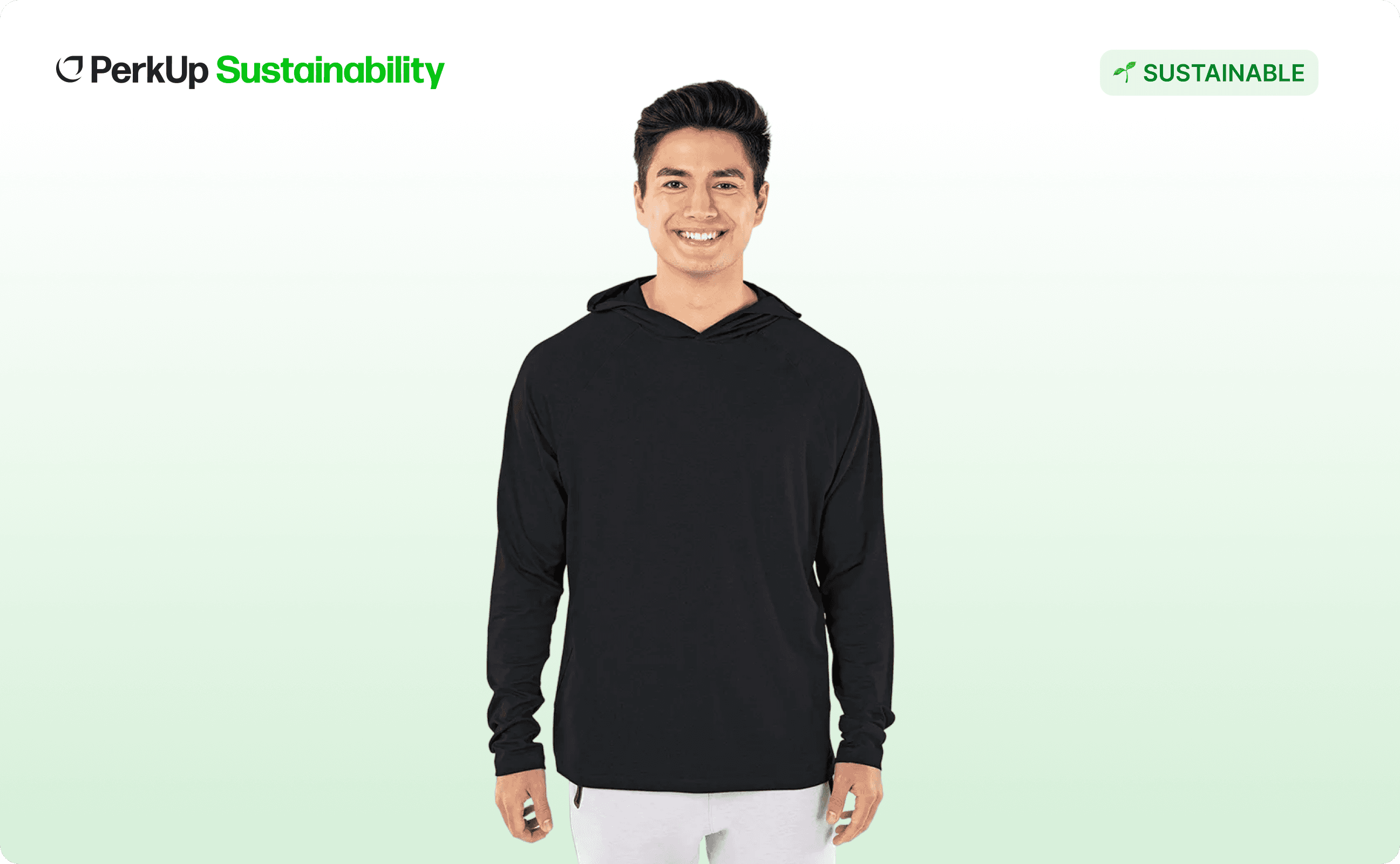
Quality clothing made from organic cotton, recycled materials, or ethically sourced fabrics represents one of the most versatile eco-friendly swag categories. Hoodies, t-shirts, and lightweight jackets from brands committed to sustainable manufacturing deliver both comfort and durability. The Independent Trading Co. Unisex Midweight Hoodie exemplifies this approach, combining ethical production with construction that lasts for years rather than months. When employees wear branded apparel in their daily lives, it becomes a natural expression of company pride rather than forced promotion. For remote teams especially, comfortable work-from-home attire creates connection and belonging even across geographic distances. The key is offering choice in sizes and styles through self-service platforms, ensuring every employee receives something that fits their preferences.
👉 Explore the Cayak Lightweight Stretch Hoodie
Durable tech accessories
Best for: Tech-forward teams, executive gifts, high-value recognition
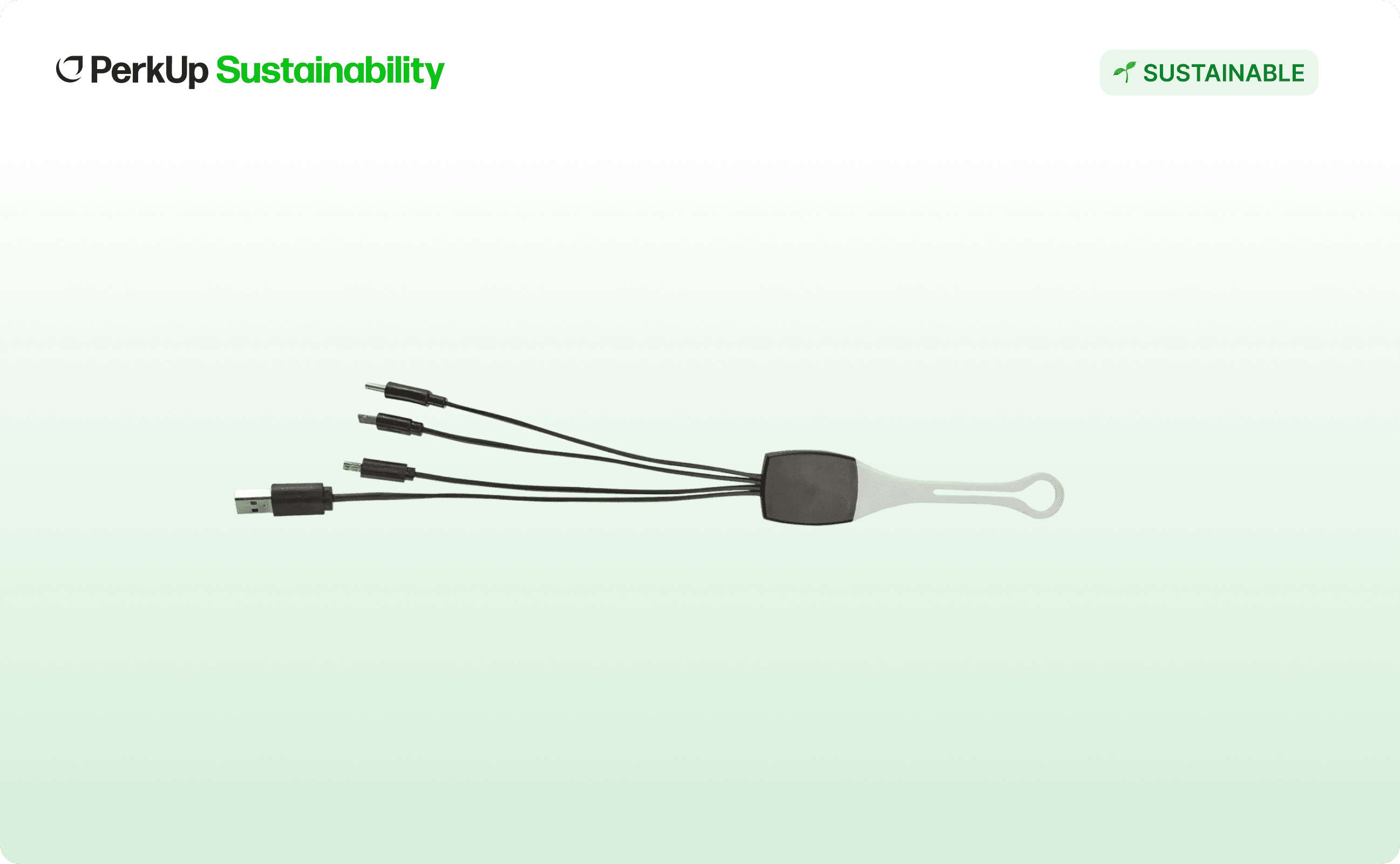
Premium tech accessories represent sustainability through longevity. Products designed to last years rather than months dramatically reduce electronic waste while delivering genuine utility. The Native Union Snap Magnetic Charger demonstrates this principle perfectly, combining quality materials with a timeless design that doesn't become obsolete with each device generation. The magnetic attachment makes charging effortless, encouraging daily use rather than drawer storage. For work anniversary celebrations or milestone achievements, these premium accessories show employees you value them enough to provide tools they'll rely on for years. Consider pairing tech gifts with other sustainable items in curated packages that employees can customize through your company swag store.
👉 Explore the 3-in-1 Charging Cable
Reusable drinkware
Best for: Daily use, wellness initiatives, environmental impact visibility
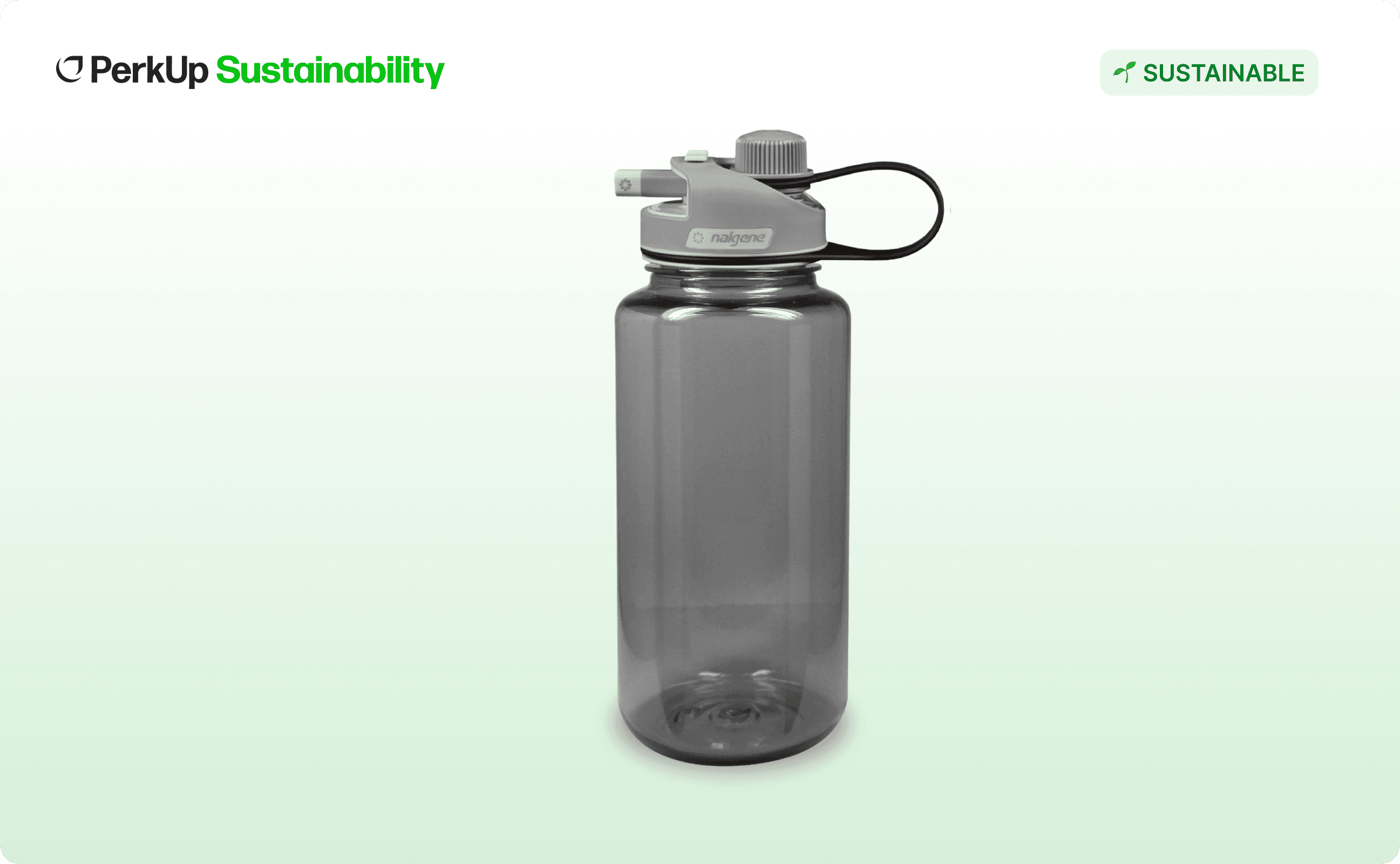
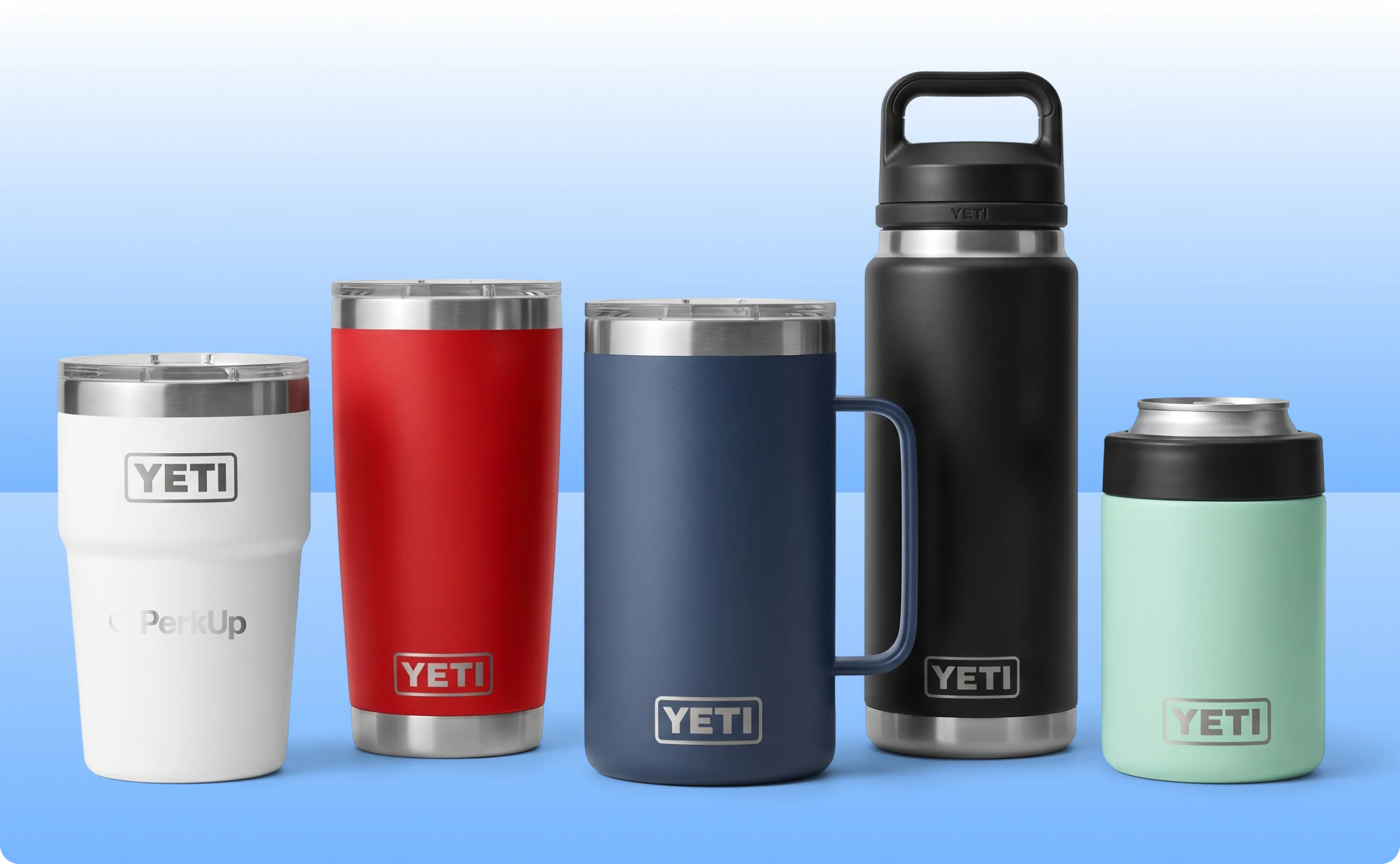
High-quality water bottles, coffee mugs, and tumblers made from stainless steel, glass, or BPA-free materials address both sustainability and employee wellness. These items directly replace single-use plastics, making their environmental benefit visible every time an employee refills rather than buying disposable bottles. The key to successful drinkware programs is quality: cheap bottles that leak or retain flavors end up unused, regardless of sustainability claims. Look for insulated options that keep beverages at the right temperature for hours, creating genuine utility that employees appreciate. Pair drinkware with employee wellness programs to reinforce healthy hydration habits while advancing sustainability goals.
Plant-based and biodegradable options
Best for: Environmentally conscious teams, brand differentiation, innovative swag
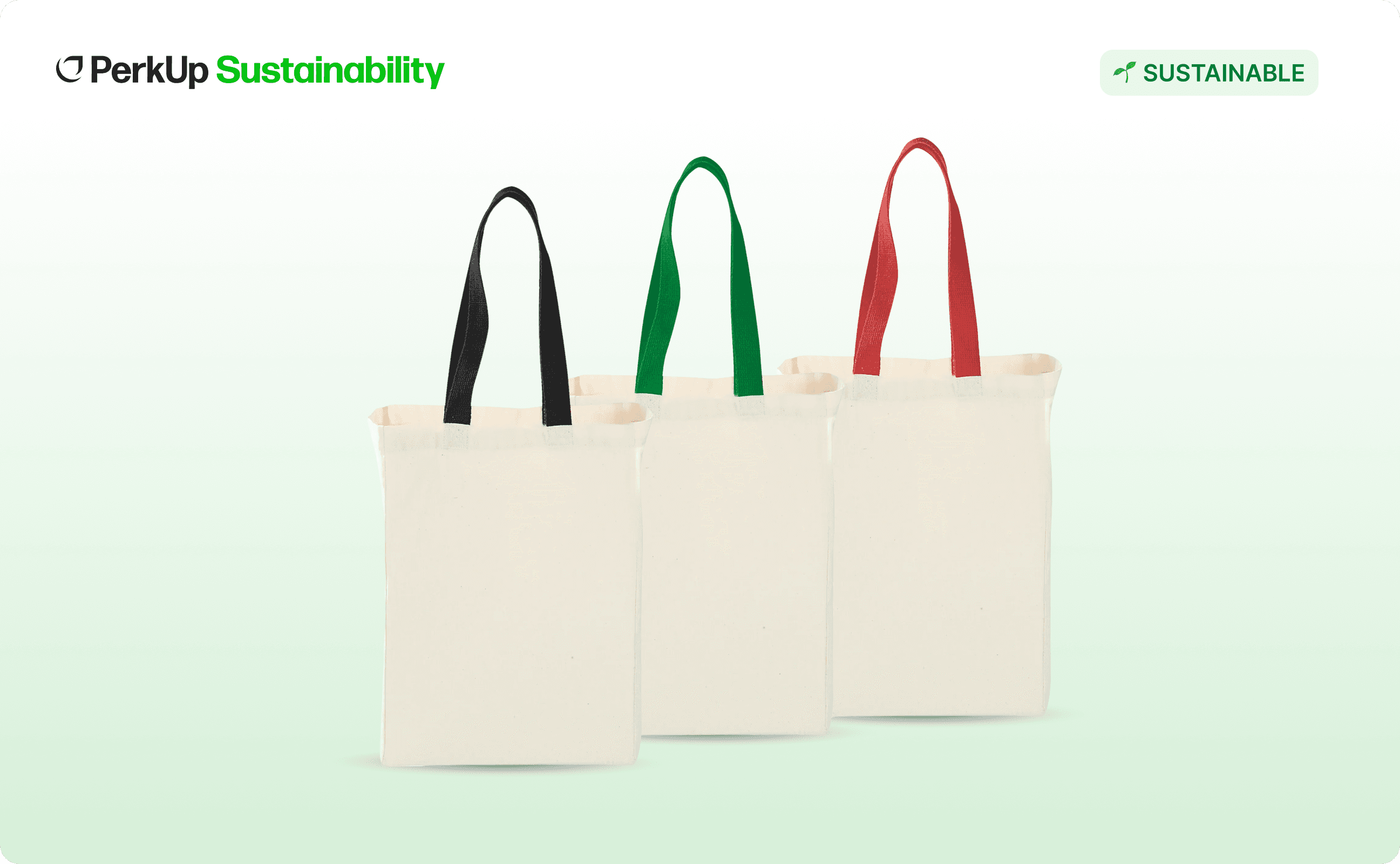
Products made from plant-based materials like bamboo, cork, or even agricultural waste represent the cutting edge of sustainable swag. Phone cases, laptop sleeves, and desk accessories crafted from these materials combine novelty with genuine environmental benefits. These items tell a compelling story about your company's commitment to innovation and responsibility. They're particularly effective for companies in tech, sustainability, or purpose-driven sectors where employees and stakeholders expect environmental leadership. The key is ensuring these materials deliver genuine functionality: sustainability shouldn't require compromising on product quality or user experience.
👉 Explore the Cotton Canvas Grocery Bag With Colored Handles
Custom branded stickers
Best for: Low-cost brand visibility, laptop personalization, event giveaways
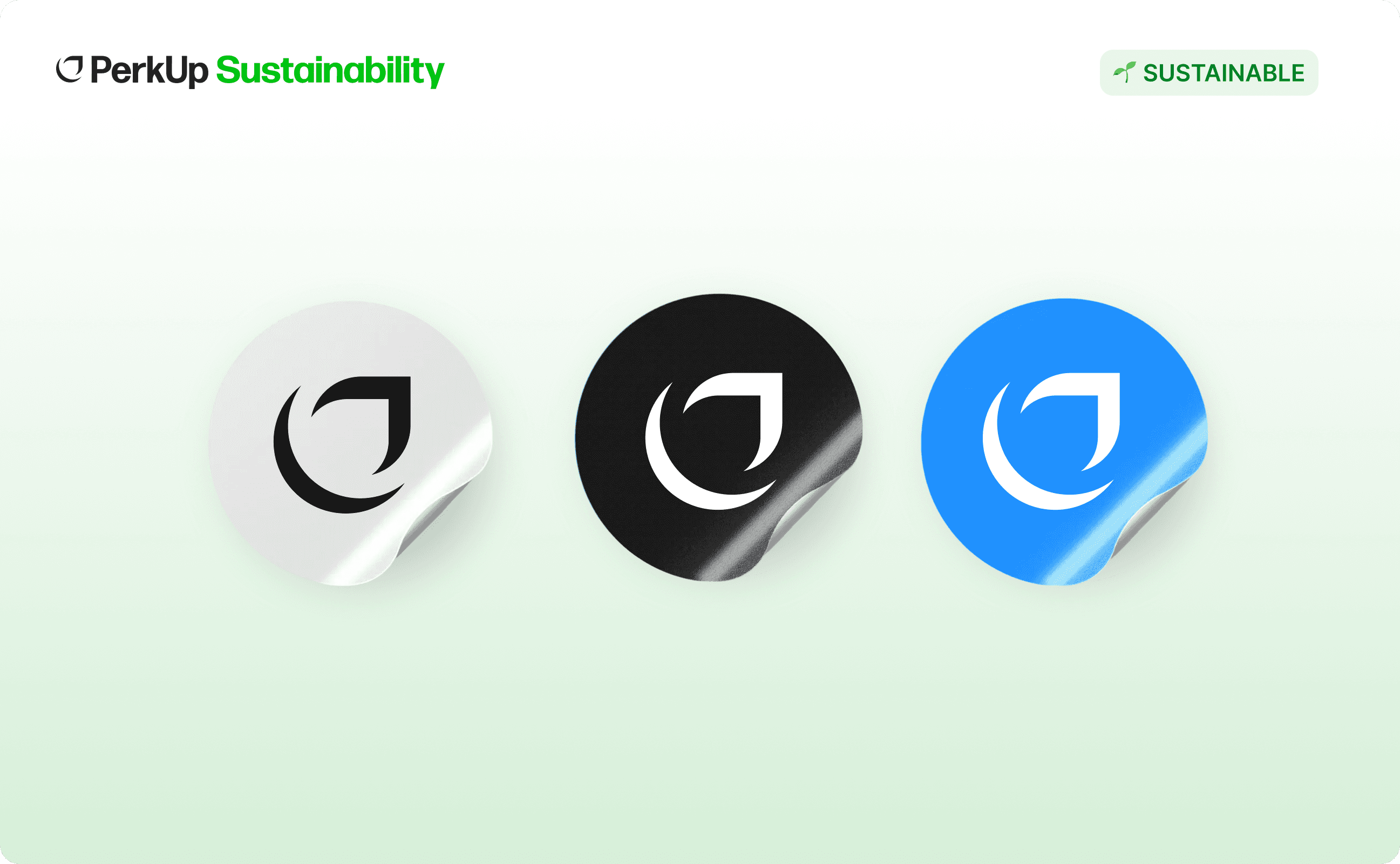
When produced with eco-friendly inks and recyclable materials, custom stickers offer cost-effective sustainability. Employees use them to personalize laptops, water bottles, and notebooks, turning everyday items into expressions of company affiliation. The small size means minimal material usage and shipping weight, reducing environmental impact while maximizing brand visibility. Include stickers as bonus items in larger swag packages or make them available through self-service platforms where employees can order as needed. The key is quality: poorly made stickers that peel or fade quickly undermine both brand perception and sustainability claims.
Building a Sustainable Swag Strategy
Having great eco-friendly products is only part of the equation. A truly sustainable swag strategy considers how, when, and why you distribute branded items to maximize impact while minimizing waste.
Quality over quantity
The most sustainable swag program is one that distributes fewer, higher-quality items that employees actually want and use. Instead of ordering thousands of cheap items to have "something for everyone," focus on curating a smaller selection of premium options that align with your employees' lifestyles and values.
This approach has multiple benefits. It reduces overall material consumption and waste. It creates a more positive brand association because employees receive items they genuinely appreciate. And it often costs less overall because you're not paying for items that will be discarded or left unused.
Consider implementing an employee recognition program where swag is tied to meaningful milestones or achievements rather than distributed broadly without context. This creates emotional resonance and ensures items are valued rather than taken for granted.
Employee choice reduces waste
One of the biggest sources of swag waste is the one-size-fits-all approach. When you order the same item for everyone, some employees inevitably receive something they don't want, need, or can use. That item becomes waste, regardless of how sustainable its materials might be.
Platforms that allow employee choice solve this problem elegantly. When employees can select from a curated range of options, they choose items that fit their preferences, lifestyle, and needs. This dramatically increases usage rates and reduces waste.
Self-service swag selection also respects employee autonomy and preferences, which enhances the recognition experience. Instead of receiving a generic gift they might not want, employees get to choose something meaningful to them, making the gesture more impactful.
Timing and context matter
Strategic timing can enhance both the impact and sustainability of your swag program. Rather than bulk ordering and distributing items all at once, consider milestone-based distribution tied to work anniversaries, project completions, or seasonal campaigns.
This approach prevents overstock and waste from items sitting in storage. It creates more memorable moments because the swag is connected to specific achievements or occasions. It also allows you to refresh your offerings regularly based on employee feedback and changing preferences.
Automated recognition platforms can handle this timing seamlessly, triggering swag opportunities at the right moments without requiring manual tracking or intervention from your HR team.
Implementing Your Eco-Friendly Swag Program
Ready to transition to a more sustainable swag strategy? Here's how to implement these principles in your organization effectively.
Audit your current program
Start by evaluating what you're currently doing. What items are you ordering? How much ends up unused? What feedback have you received from employees? This baseline assessment helps you identify the biggest opportunities for improvement.
Look at your entire swag lifecycle, from sourcing to distribution to eventual disposal. Where are the biggest environmental impacts? Where is waste occurring? These insights guide your priorities as you redesign your approach.
Set clear sustainability goals
Define what sustainability means specifically for your swag program. Are you focused on reducing carbon emissions through local sourcing? Eliminating single-use plastics? Are all items made from recycled or organic materials? Having clear goals helps you make consistent decisions and communicate your commitment to employees.
These goals should align with your broader corporate sustainability initiatives. If your company has committed to carbon neutrality or zero waste, your swag program should support those objectives rather than working against them.
Choose the right platform
The platform you use for swag distribution significantly impacts your sustainability outcomes. Look for solutions that prioritize local sourcing, offer sustainable product options, and minimize packaging waste.
PerkUp's global network sources products locally across 80+ countries, dramatically reducing shipping distances and associated emissions. The platform's partnerships with 1% for the Planet and Stripe Climate demonstrate a commitment to environmental responsibility that extends beyond individual product choices to the entire infrastructure of corporate gifting.
Additionally, platforms with no minimum order requirements prevent overordering and waste from bulk purchases that exceed actual needs. This flexibility allows you to order precisely what you need, when you need it, without maintaining excess inventory.
Educate and engage employees
Your sustainable swag program is more impactful when employees understand the thinking behind it. Share why you've made these choices and how they align with company values. This transparency builds trust and reinforces your authenticity around sustainability.
Consider including information about each item's sustainability credentials in product descriptions or packaging. When employees know that their hoodie is made from organic cotton or their charger is designed for longevity, they appreciate the thoughtfulness and are more likely to use and care for the item.
Measure and iterate
Track metrics that matter for both sustainability and program effectiveness. Monitor usage rates, employee satisfaction, carbon footprint reductions, and waste diversion. These metrics help you understand what's working and where there's room for improvement.
Regularly solicit employee feedback about swag offerings. What do they actually use? What would they prefer instead? This input ensures your program evolves based on real needs rather than assumptions.
Common Pitfalls to Avoid When Creating an Eco-Friendly Swag Program
As you build your eco-friendly swag program, watch out for these common mistakes that can undermine your sustainability goals.
Greenwashing
Don't claim sustainability credentials you can't back up. Employees are increasingly savvy about greenwashing and will see through vague claims or superficial efforts. If a product isn't genuinely sustainable, don't market it as such. Focus on the items where you can make legitimate environmental claims and be transparent about areas where you're still working to improve.
Sacrificing quality for "Eco-Friendly" labels
A poorly made "sustainable" product that breaks quickly isn't actually sustainable. It ends up in a landfill just like any other waste, and it damages your brand's reputation in the process. Always prioritize quality and durability, even if it means fewer items that are truly sustainable rather than more items that merely claim to be.
Ignoring the full lifecycle
Sustainability isn't just about materials. Consider manufacturing processes, shipping distances, packaging, and end-of-life disposal. A bamboo product shipped from across the world in plastic packaging may not be more sustainable than a locally sourced conventional item with minimal packaging.
One-size-fits-all approach
What works for one employee may not work for another. Avoid forcing everyone to receive the same item. Instead, offer choices that fit your sustainable options. This respects individual preferences while maintaining your environmental standards.
The Future of Sustainable Corporate Swag
The corporate gifting industry is evolving rapidly, with sustainability moving from a nice-to-have to a must-have. Forward-thinking companies are already embracing these changes, recognizing that eco-friendly swag isn't just good for the planet but also good for employee engagement and employer branding.
Technology is enabling more sustainable practices at scale. Global platforms with local sourcing networks, automated recognition systems that prevent overordering, and employee choice mechanisms that reduce waste are all making it easier for companies to align their swag programs with their values.
As employees continue to prioritize working for organizations that share their environmental concerns, your swag program becomes another signal of your authentic commitment to sustainability. It's not just about the items themselves but what they represent: a company that thinks carefully about its impact and makes decisions that reflect stated values.
Transform Your Swag Program Today
Eco-friendly swag isn't a compromise. It's an opportunity to demonstrate your values, delight your employees, and reduce your environmental impact all at once. By focusing on quality over quantity, enabling employee choice, and partnering with platforms that prioritize sustainability, you can create a swag program that everyone feels good about.
The products and strategies outlined in this guide provide a starting point for building a more sustainable approach to corporate gifting. Whether you're starting from scratch or refining an existing program, the key is to be intentional about every decision, from materials to distribution to measurement.
Ready to build a swag program that aligns with your sustainability goals? Book a demo with PerkUp to see how our global platform, local sourcing network, and commitment to environmental responsibility can help you recognize and reward your team while minimizing your carbon footprint. With 60,000+ high-quality swags across 65+ countries, no minimums or in bulk, and partnerships with 1% for the Planet and Stripe Climate, PerkUp makes sustainable corporate gifting simple, scalable, and impactful.

Every year, billions of promotional products are manufactured, distributed, and quickly forgotten. The typical corporate swag program generates more landfill waste than employee goodwill. Plastic pens that run out of ink after a week. Water bottles that leak by month two. T-shirts made from synthetic materials that fall apart in the wash. All bearing your company logo, all ending up in the trash.
The disconnect between corporate sustainability commitments and actual swag practices has become impossible to ignore. According to IBM's Institute for Business Value research, 71% of employees say environmentally sustainable companies are more attractive employers, while PwC's 2024 Global Workforce ESG Preferences Study found that 69% of employees want their companies to invest in sustainability efforts such as reducing waste and using renewable energy. Yet most corporate gifting programs still operate as if sustainability is optional rather than essential.
The solution isn't eliminating swag altogether. It's reimagining how we approach it. Sustainable corporate gifts can deliver better employee experiences, stronger brand associations, and measurably lower environmental impact. This guide provides a framework for building an eco-friendly swag program that employees genuinely appreciate while advancing your organization's sustainability goals.
Why does eco-friendly swag matter more than ever?
The shift toward sustainable corporate gifting isn't just a trend. It reflects a fundamental change in how employees evaluate their employers and how companies demonstrate their values in tangible ways.
When you choose eco-friendly swag, you're making a statement about what your organization stands for. Employees pay attention to these details. They notice whether your sustainability commitments are just words on a website or principles that guide actual decisions, including the branded items you distribute.
Beyond employee perception, there's the environmental impact to consider. Traditional corporate swag often involves single-use plastics, excessive packaging, and products manufactured halfway around the world with significant carbon footprints. The promotional products industry produces millions of items annually, many of which end up unused or discarded within months.
Sustainable swag addresses these concerns head-on. It prioritizes materials that are recycled, organic, or responsibly sourced. It considers the entire lifecycle of a product, from manufacturing to shipping to eventual disposal or recycling. And importantly, it focuses on quality over quantity, ensuring items are useful enough to be kept and used regularly.
Understanding What Makes Swag Truly Eco-Friendly
Not all "eco-friendly" swag is created equal. The term can mean different things, and understanding these distinctions helps you make informed choices that align with your actual sustainability goals.
Material matters
The foundation of sustainable swag starts with materials. Organic cotton, recycled polyester, bamboo, and post-consumer recycled materials all offer environmental benefits over conventional alternatives. Organic cotton, for example, is grown without harmful pesticides and typically uses less water than conventional cotton. Recycled polyester diverts plastic bottles from landfills and oceans, giving them new life as functional products.
But materials are just one piece of the puzzle. A product made from organic materials that ships across the globe in excessive packaging may have a larger carbon footprint than a locally sourced conventional item. This is why a holistic approach matters.
The durability factor
Perhaps the most overlooked aspect of eco-friendly swag is durability. A product that lasts for years is inherently more sustainable than one that needs replacing every few months, regardless of what it's made from. When evaluating swag options, consider whether employees will actually use the item regularly and whether it's built to withstand that use.
Quality also affects perception. A well-made sustainable item reinforces your brand's commitment to excellence and thoughtfulness. A cheap "eco-friendly" product that falls apart quickly does the opposite, suggesting your sustainability efforts are superficial.
Local sourcing and carbon footprint
Where and how products are manufactured and shipped significantly impact their environmental footprint. Global gifting platforms that source locally in multiple regions can dramatically reduce shipping distances and associated emissions compared to centralized warehouses that ship internationally.
PerkUp's approach to sustainability includes local sourcing across 80+ countries, which means employees receive gifts from nearby suppliers rather than items shipped across continents. This strategy, combined with partnerships like 1% for the Planet and Stripe Climate, demonstrates how technology can enable more sustainable corporate gifting at scale.
Packaging considerations
Even the most sustainable product loses its eco-credentials when wrapped in layers of plastic and non-recyclable materials. Packaging is often an afterthought in corporate gifting, but it shouldn't be. Recyclable, minimal, or compostable packaging options exist and should be prioritized.
The unboxing experience matters to employees, but it doesn't require waste. Thoughtful packaging design can create excitement while using sustainable materials like recycled cardboard, paper tape, and plant-based inks.

Eco-Friendly Swag Categories That Employees Actually Want
Building a sustainable swag program starts with selecting products that employees genuinely want to use. These categories represent the sweet spot between environmental responsibility and practical appeal, perfect for employee recognition programs that make a lasting impact.
Sustainable apparel
Best for: Year-round appreciation, new hire welcome kits, milestone celebrations

Quality clothing made from organic cotton, recycled materials, or ethically sourced fabrics represents one of the most versatile eco-friendly swag categories. Hoodies, t-shirts, and lightweight jackets from brands committed to sustainable manufacturing deliver both comfort and durability. The Independent Trading Co. Unisex Midweight Hoodie exemplifies this approach, combining ethical production with construction that lasts for years rather than months. When employees wear branded apparel in their daily lives, it becomes a natural expression of company pride rather than forced promotion. For remote teams especially, comfortable work-from-home attire creates connection and belonging even across geographic distances. The key is offering choice in sizes and styles through self-service platforms, ensuring every employee receives something that fits their preferences.
👉 Explore the Cayak Lightweight Stretch Hoodie
Durable tech accessories
Best for: Tech-forward teams, executive gifts, high-value recognition

Premium tech accessories represent sustainability through longevity. Products designed to last years rather than months dramatically reduce electronic waste while delivering genuine utility. The Native Union Snap Magnetic Charger demonstrates this principle perfectly, combining quality materials with a timeless design that doesn't become obsolete with each device generation. The magnetic attachment makes charging effortless, encouraging daily use rather than drawer storage. For work anniversary celebrations or milestone achievements, these premium accessories show employees you value them enough to provide tools they'll rely on for years. Consider pairing tech gifts with other sustainable items in curated packages that employees can customize through your company swag store.
👉 Explore the 3-in-1 Charging Cable
Reusable drinkware
Best for: Daily use, wellness initiatives, environmental impact visibility

High-quality water bottles, coffee mugs, and tumblers made from stainless steel, glass, or BPA-free materials address both sustainability and employee wellness. These items directly replace single-use plastics, making their environmental benefit visible every time an employee refills rather than buying disposable bottles. The key to successful drinkware programs is quality: cheap bottles that leak or retain flavors end up unused, regardless of sustainability claims. Look for insulated options that keep beverages at the right temperature for hours, creating genuine utility that employees appreciate. Pair drinkware with employee wellness programs to reinforce healthy hydration habits while advancing sustainability goals.
Plant-based and biodegradable options
Best for: Environmentally conscious teams, brand differentiation, innovative swag

Products made from plant-based materials like bamboo, cork, or even agricultural waste represent the cutting edge of sustainable swag. Phone cases, laptop sleeves, and desk accessories crafted from these materials combine novelty with genuine environmental benefits. These items tell a compelling story about your company's commitment to innovation and responsibility. They're particularly effective for companies in tech, sustainability, or purpose-driven sectors where employees and stakeholders expect environmental leadership. The key is ensuring these materials deliver genuine functionality: sustainability shouldn't require compromising on product quality or user experience.
👉 Explore the Cotton Canvas Grocery Bag With Colored Handles
Custom branded stickers
Best for: Low-cost brand visibility, laptop personalization, event giveaways

When produced with eco-friendly inks and recyclable materials, custom stickers offer cost-effective sustainability. Employees use them to personalize laptops, water bottles, and notebooks, turning everyday items into expressions of company affiliation. The small size means minimal material usage and shipping weight, reducing environmental impact while maximizing brand visibility. Include stickers as bonus items in larger swag packages or make them available through self-service platforms where employees can order as needed. The key is quality: poorly made stickers that peel or fade quickly undermine both brand perception and sustainability claims.
Building a Sustainable Swag Strategy
Having great eco-friendly products is only part of the equation. A truly sustainable swag strategy considers how, when, and why you distribute branded items to maximize impact while minimizing waste.
Quality over quantity
The most sustainable swag program is one that distributes fewer, higher-quality items that employees actually want and use. Instead of ordering thousands of cheap items to have "something for everyone," focus on curating a smaller selection of premium options that align with your employees' lifestyles and values.
This approach has multiple benefits. It reduces overall material consumption and waste. It creates a more positive brand association because employees receive items they genuinely appreciate. And it often costs less overall because you're not paying for items that will be discarded or left unused.
Consider implementing an employee recognition program where swag is tied to meaningful milestones or achievements rather than distributed broadly without context. This creates emotional resonance and ensures items are valued rather than taken for granted.
Employee choice reduces waste
One of the biggest sources of swag waste is the one-size-fits-all approach. When you order the same item for everyone, some employees inevitably receive something they don't want, need, or can use. That item becomes waste, regardless of how sustainable its materials might be.
Platforms that allow employee choice solve this problem elegantly. When employees can select from a curated range of options, they choose items that fit their preferences, lifestyle, and needs. This dramatically increases usage rates and reduces waste.
Self-service swag selection also respects employee autonomy and preferences, which enhances the recognition experience. Instead of receiving a generic gift they might not want, employees get to choose something meaningful to them, making the gesture more impactful.
Timing and context matter
Strategic timing can enhance both the impact and sustainability of your swag program. Rather than bulk ordering and distributing items all at once, consider milestone-based distribution tied to work anniversaries, project completions, or seasonal campaigns.
This approach prevents overstock and waste from items sitting in storage. It creates more memorable moments because the swag is connected to specific achievements or occasions. It also allows you to refresh your offerings regularly based on employee feedback and changing preferences.
Automated recognition platforms can handle this timing seamlessly, triggering swag opportunities at the right moments without requiring manual tracking or intervention from your HR team.

Implementing Your Eco-Friendly Swag Program
Ready to transition to a more sustainable swag strategy? Here's how to implement these principles in your organization effectively.
Audit your current program
Start by evaluating what you're currently doing. What items are you ordering? How much ends up unused? What feedback have you received from employees? This baseline assessment helps you identify the biggest opportunities for improvement.
Look at your entire swag lifecycle, from sourcing to distribution to eventual disposal. Where are the biggest environmental impacts? Where is waste occurring? These insights guide your priorities as you redesign your approach.
Set clear sustainability goals
Define what sustainability means specifically for your swag program. Are you focused on reducing carbon emissions through local sourcing? Eliminating single-use plastics? Are all items made from recycled or organic materials? Having clear goals helps you make consistent decisions and communicate your commitment to employees.
These goals should align with your broader corporate sustainability initiatives. If your company has committed to carbon neutrality or zero waste, your swag program should support those objectives rather than working against them.
Choose the right platform
The platform you use for swag distribution significantly impacts your sustainability outcomes. Look for solutions that prioritize local sourcing, offer sustainable product options, and minimize packaging waste.
PerkUp's global network sources products locally across 80+ countries, dramatically reducing shipping distances and associated emissions. The platform's partnerships with 1% for the Planet and Stripe Climate demonstrate a commitment to environmental responsibility that extends beyond individual product choices to the entire infrastructure of corporate gifting.
Additionally, platforms with no minimum order requirements prevent overordering and waste from bulk purchases that exceed actual needs. This flexibility allows you to order precisely what you need, when you need it, without maintaining excess inventory.
Educate and engage employees
Your sustainable swag program is more impactful when employees understand the thinking behind it. Share why you've made these choices and how they align with company values. This transparency builds trust and reinforces your authenticity around sustainability.
Consider including information about each item's sustainability credentials in product descriptions or packaging. When employees know that their hoodie is made from organic cotton or their charger is designed for longevity, they appreciate the thoughtfulness and are more likely to use and care for the item.
Measure and iterate
Track metrics that matter for both sustainability and program effectiveness. Monitor usage rates, employee satisfaction, carbon footprint reductions, and waste diversion. These metrics help you understand what's working and where there's room for improvement.
Regularly solicit employee feedback about swag offerings. What do they actually use? What would they prefer instead? This input ensures your program evolves based on real needs rather than assumptions.

Common Pitfalls to Avoid When Creating an Eco-Friendly Swag Program
As you build your eco-friendly swag program, watch out for these common mistakes that can undermine your sustainability goals.
Greenwashing
Don't claim sustainability credentials you can't back up. Employees are increasingly savvy about greenwashing and will see through vague claims or superficial efforts. If a product isn't genuinely sustainable, don't market it as such. Focus on the items where you can make legitimate environmental claims and be transparent about areas where you're still working to improve.
Sacrificing quality for "Eco-Friendly" labels
A poorly made "sustainable" product that breaks quickly isn't actually sustainable. It ends up in a landfill just like any other waste, and it damages your brand's reputation in the process. Always prioritize quality and durability, even if it means fewer items that are truly sustainable rather than more items that merely claim to be.
Ignoring the full lifecycle
Sustainability isn't just about materials. Consider manufacturing processes, shipping distances, packaging, and end-of-life disposal. A bamboo product shipped from across the world in plastic packaging may not be more sustainable than a locally sourced conventional item with minimal packaging.
One-size-fits-all approach
What works for one employee may not work for another. Avoid forcing everyone to receive the same item. Instead, offer choices that fit your sustainable options. This respects individual preferences while maintaining your environmental standards.
The Future of Sustainable Corporate Swag
The corporate gifting industry is evolving rapidly, with sustainability moving from a nice-to-have to a must-have. Forward-thinking companies are already embracing these changes, recognizing that eco-friendly swag isn't just good for the planet but also good for employee engagement and employer branding.
Technology is enabling more sustainable practices at scale. Global platforms with local sourcing networks, automated recognition systems that prevent overordering, and employee choice mechanisms that reduce waste are all making it easier for companies to align their swag programs with their values.
As employees continue to prioritize working for organizations that share their environmental concerns, your swag program becomes another signal of your authentic commitment to sustainability. It's not just about the items themselves but what they represent: a company that thinks carefully about its impact and makes decisions that reflect stated values.
Transform Your Swag Program Today
Eco-friendly swag isn't a compromise. It's an opportunity to demonstrate your values, delight your employees, and reduce your environmental impact all at once. By focusing on quality over quantity, enabling employee choice, and partnering with platforms that prioritize sustainability, you can create a swag program that everyone feels good about.
The products and strategies outlined in this guide provide a starting point for building a more sustainable approach to corporate gifting. Whether you're starting from scratch or refining an existing program, the key is to be intentional about every decision, from materials to distribution to measurement.
Ready to build a swag program that aligns with your sustainability goals? Book a demo with PerkUp to see how our global platform, local sourcing network, and commitment to environmental responsibility can help you recognize and reward your team while minimizing your carbon footprint. With 60,000+ high-quality swags across 65+ countries, no minimums or in bulk, and partnerships with 1% for the Planet and Stripe Climate, PerkUp makes sustainable corporate gifting simple, scalable, and impactful.

Every year, billions of promotional products are manufactured, distributed, and quickly forgotten. The typical corporate swag program generates more landfill waste than employee goodwill. Plastic pens that run out of ink after a week. Water bottles that leak by month two. T-shirts made from synthetic materials that fall apart in the wash. All bearing your company logo, all ending up in the trash.
The disconnect between corporate sustainability commitments and actual swag practices has become impossible to ignore. According to IBM's Institute for Business Value research, 71% of employees say environmentally sustainable companies are more attractive employers, while PwC's 2024 Global Workforce ESG Preferences Study found that 69% of employees want their companies to invest in sustainability efforts such as reducing waste and using renewable energy. Yet most corporate gifting programs still operate as if sustainability is optional rather than essential.
The solution isn't eliminating swag altogether. It's reimagining how we approach it. Sustainable corporate gifts can deliver better employee experiences, stronger brand associations, and measurably lower environmental impact. This guide provides a framework for building an eco-friendly swag program that employees genuinely appreciate while advancing your organization's sustainability goals.
Why does eco-friendly swag matter more than ever?
The shift toward sustainable corporate gifting isn't just a trend. It reflects a fundamental change in how employees evaluate their employers and how companies demonstrate their values in tangible ways.
When you choose eco-friendly swag, you're making a statement about what your organization stands for. Employees pay attention to these details. They notice whether your sustainability commitments are just words on a website or principles that guide actual decisions, including the branded items you distribute.
Beyond employee perception, there's the environmental impact to consider. Traditional corporate swag often involves single-use plastics, excessive packaging, and products manufactured halfway around the world with significant carbon footprints. The promotional products industry produces millions of items annually, many of which end up unused or discarded within months.
Sustainable swag addresses these concerns head-on. It prioritizes materials that are recycled, organic, or responsibly sourced. It considers the entire lifecycle of a product, from manufacturing to shipping to eventual disposal or recycling. And importantly, it focuses on quality over quantity, ensuring items are useful enough to be kept and used regularly.
Understanding What Makes Swag Truly Eco-Friendly
Not all "eco-friendly" swag is created equal. The term can mean different things, and understanding these distinctions helps you make informed choices that align with your actual sustainability goals.
Material matters
The foundation of sustainable swag starts with materials. Organic cotton, recycled polyester, bamboo, and post-consumer recycled materials all offer environmental benefits over conventional alternatives. Organic cotton, for example, is grown without harmful pesticides and typically uses less water than conventional cotton. Recycled polyester diverts plastic bottles from landfills and oceans, giving them new life as functional products.
But materials are just one piece of the puzzle. A product made from organic materials that ships across the globe in excessive packaging may have a larger carbon footprint than a locally sourced conventional item. This is why a holistic approach matters.
The durability factor
Perhaps the most overlooked aspect of eco-friendly swag is durability. A product that lasts for years is inherently more sustainable than one that needs replacing every few months, regardless of what it's made from. When evaluating swag options, consider whether employees will actually use the item regularly and whether it's built to withstand that use.
Quality also affects perception. A well-made sustainable item reinforces your brand's commitment to excellence and thoughtfulness. A cheap "eco-friendly" product that falls apart quickly does the opposite, suggesting your sustainability efforts are superficial.
Local sourcing and carbon footprint
Where and how products are manufactured and shipped significantly impact their environmental footprint. Global gifting platforms that source locally in multiple regions can dramatically reduce shipping distances and associated emissions compared to centralized warehouses that ship internationally.
PerkUp's approach to sustainability includes local sourcing across 80+ countries, which means employees receive gifts from nearby suppliers rather than items shipped across continents. This strategy, combined with partnerships like 1% for the Planet and Stripe Climate, demonstrates how technology can enable more sustainable corporate gifting at scale.
Packaging considerations
Even the most sustainable product loses its eco-credentials when wrapped in layers of plastic and non-recyclable materials. Packaging is often an afterthought in corporate gifting, but it shouldn't be. Recyclable, minimal, or compostable packaging options exist and should be prioritized.
The unboxing experience matters to employees, but it doesn't require waste. Thoughtful packaging design can create excitement while using sustainable materials like recycled cardboard, paper tape, and plant-based inks.

Eco-Friendly Swag Categories That Employees Actually Want
Building a sustainable swag program starts with selecting products that employees genuinely want to use. These categories represent the sweet spot between environmental responsibility and practical appeal, perfect for employee recognition programs that make a lasting impact.
Sustainable apparel
Best for: Year-round appreciation, new hire welcome kits, milestone celebrations

Quality clothing made from organic cotton, recycled materials, or ethically sourced fabrics represents one of the most versatile eco-friendly swag categories. Hoodies, t-shirts, and lightweight jackets from brands committed to sustainable manufacturing deliver both comfort and durability. The Independent Trading Co. Unisex Midweight Hoodie exemplifies this approach, combining ethical production with construction that lasts for years rather than months. When employees wear branded apparel in their daily lives, it becomes a natural expression of company pride rather than forced promotion. For remote teams especially, comfortable work-from-home attire creates connection and belonging even across geographic distances. The key is offering choice in sizes and styles through self-service platforms, ensuring every employee receives something that fits their preferences.
👉 Explore the Cayak Lightweight Stretch Hoodie
Durable tech accessories
Best for: Tech-forward teams, executive gifts, high-value recognition

Premium tech accessories represent sustainability through longevity. Products designed to last years rather than months dramatically reduce electronic waste while delivering genuine utility. The Native Union Snap Magnetic Charger demonstrates this principle perfectly, combining quality materials with a timeless design that doesn't become obsolete with each device generation. The magnetic attachment makes charging effortless, encouraging daily use rather than drawer storage. For work anniversary celebrations or milestone achievements, these premium accessories show employees you value them enough to provide tools they'll rely on for years. Consider pairing tech gifts with other sustainable items in curated packages that employees can customize through your company swag store.
👉 Explore the 3-in-1 Charging Cable
Reusable drinkware
Best for: Daily use, wellness initiatives, environmental impact visibility

High-quality water bottles, coffee mugs, and tumblers made from stainless steel, glass, or BPA-free materials address both sustainability and employee wellness. These items directly replace single-use plastics, making their environmental benefit visible every time an employee refills rather than buying disposable bottles. The key to successful drinkware programs is quality: cheap bottles that leak or retain flavors end up unused, regardless of sustainability claims. Look for insulated options that keep beverages at the right temperature for hours, creating genuine utility that employees appreciate. Pair drinkware with employee wellness programs to reinforce healthy hydration habits while advancing sustainability goals.
Plant-based and biodegradable options
Best for: Environmentally conscious teams, brand differentiation, innovative swag

Products made from plant-based materials like bamboo, cork, or even agricultural waste represent the cutting edge of sustainable swag. Phone cases, laptop sleeves, and desk accessories crafted from these materials combine novelty with genuine environmental benefits. These items tell a compelling story about your company's commitment to innovation and responsibility. They're particularly effective for companies in tech, sustainability, or purpose-driven sectors where employees and stakeholders expect environmental leadership. The key is ensuring these materials deliver genuine functionality: sustainability shouldn't require compromising on product quality or user experience.
👉 Explore the Cotton Canvas Grocery Bag With Colored Handles
Custom branded stickers
Best for: Low-cost brand visibility, laptop personalization, event giveaways

When produced with eco-friendly inks and recyclable materials, custom stickers offer cost-effective sustainability. Employees use them to personalize laptops, water bottles, and notebooks, turning everyday items into expressions of company affiliation. The small size means minimal material usage and shipping weight, reducing environmental impact while maximizing brand visibility. Include stickers as bonus items in larger swag packages or make them available through self-service platforms where employees can order as needed. The key is quality: poorly made stickers that peel or fade quickly undermine both brand perception and sustainability claims.
Building a Sustainable Swag Strategy
Having great eco-friendly products is only part of the equation. A truly sustainable swag strategy considers how, when, and why you distribute branded items to maximize impact while minimizing waste.
Quality over quantity
The most sustainable swag program is one that distributes fewer, higher-quality items that employees actually want and use. Instead of ordering thousands of cheap items to have "something for everyone," focus on curating a smaller selection of premium options that align with your employees' lifestyles and values.
This approach has multiple benefits. It reduces overall material consumption and waste. It creates a more positive brand association because employees receive items they genuinely appreciate. And it often costs less overall because you're not paying for items that will be discarded or left unused.
Consider implementing an employee recognition program where swag is tied to meaningful milestones or achievements rather than distributed broadly without context. This creates emotional resonance and ensures items are valued rather than taken for granted.
Employee choice reduces waste
One of the biggest sources of swag waste is the one-size-fits-all approach. When you order the same item for everyone, some employees inevitably receive something they don't want, need, or can use. That item becomes waste, regardless of how sustainable its materials might be.
Platforms that allow employee choice solve this problem elegantly. When employees can select from a curated range of options, they choose items that fit their preferences, lifestyle, and needs. This dramatically increases usage rates and reduces waste.
Self-service swag selection also respects employee autonomy and preferences, which enhances the recognition experience. Instead of receiving a generic gift they might not want, employees get to choose something meaningful to them, making the gesture more impactful.
Timing and context matter
Strategic timing can enhance both the impact and sustainability of your swag program. Rather than bulk ordering and distributing items all at once, consider milestone-based distribution tied to work anniversaries, project completions, or seasonal campaigns.
This approach prevents overstock and waste from items sitting in storage. It creates more memorable moments because the swag is connected to specific achievements or occasions. It also allows you to refresh your offerings regularly based on employee feedback and changing preferences.
Automated recognition platforms can handle this timing seamlessly, triggering swag opportunities at the right moments without requiring manual tracking or intervention from your HR team.

Implementing Your Eco-Friendly Swag Program
Ready to transition to a more sustainable swag strategy? Here's how to implement these principles in your organization effectively.
Audit your current program
Start by evaluating what you're currently doing. What items are you ordering? How much ends up unused? What feedback have you received from employees? This baseline assessment helps you identify the biggest opportunities for improvement.
Look at your entire swag lifecycle, from sourcing to distribution to eventual disposal. Where are the biggest environmental impacts? Where is waste occurring? These insights guide your priorities as you redesign your approach.
Set clear sustainability goals
Define what sustainability means specifically for your swag program. Are you focused on reducing carbon emissions through local sourcing? Eliminating single-use plastics? Are all items made from recycled or organic materials? Having clear goals helps you make consistent decisions and communicate your commitment to employees.
These goals should align with your broader corporate sustainability initiatives. If your company has committed to carbon neutrality or zero waste, your swag program should support those objectives rather than working against them.
Choose the right platform
The platform you use for swag distribution significantly impacts your sustainability outcomes. Look for solutions that prioritize local sourcing, offer sustainable product options, and minimize packaging waste.
PerkUp's global network sources products locally across 80+ countries, dramatically reducing shipping distances and associated emissions. The platform's partnerships with 1% for the Planet and Stripe Climate demonstrate a commitment to environmental responsibility that extends beyond individual product choices to the entire infrastructure of corporate gifting.
Additionally, platforms with no minimum order requirements prevent overordering and waste from bulk purchases that exceed actual needs. This flexibility allows you to order precisely what you need, when you need it, without maintaining excess inventory.
Educate and engage employees
Your sustainable swag program is more impactful when employees understand the thinking behind it. Share why you've made these choices and how they align with company values. This transparency builds trust and reinforces your authenticity around sustainability.
Consider including information about each item's sustainability credentials in product descriptions or packaging. When employees know that their hoodie is made from organic cotton or their charger is designed for longevity, they appreciate the thoughtfulness and are more likely to use and care for the item.
Measure and iterate
Track metrics that matter for both sustainability and program effectiveness. Monitor usage rates, employee satisfaction, carbon footprint reductions, and waste diversion. These metrics help you understand what's working and where there's room for improvement.
Regularly solicit employee feedback about swag offerings. What do they actually use? What would they prefer instead? This input ensures your program evolves based on real needs rather than assumptions.
Common Pitfalls to Avoid When Creating an Eco-Friendly Swag Program
As you build your eco-friendly swag program, watch out for these common mistakes that can undermine your sustainability goals.
Greenwashing
Don't claim sustainability credentials you can't back up. Employees are increasingly savvy about greenwashing and will see through vague claims or superficial efforts. If a product isn't genuinely sustainable, don't market it as such. Focus on the items where you can make legitimate environmental claims and be transparent about areas where you're still working to improve.
Sacrificing quality for "Eco-Friendly" labels
A poorly made "sustainable" product that breaks quickly isn't actually sustainable. It ends up in a landfill just like any other waste, and it damages your brand's reputation in the process. Always prioritize quality and durability, even if it means fewer items that are truly sustainable rather than more items that merely claim to be.
Ignoring the full lifecycle
Sustainability isn't just about materials. Consider manufacturing processes, shipping distances, packaging, and end-of-life disposal. A bamboo product shipped from across the world in plastic packaging may not be more sustainable than a locally sourced conventional item with minimal packaging.
One-size-fits-all approach
What works for one employee may not work for another. Avoid forcing everyone to receive the same item. Instead, offer choices that fit your sustainable options. This respects individual preferences while maintaining your environmental standards.
The Future of Sustainable Corporate Swag
The corporate gifting industry is evolving rapidly, with sustainability moving from a nice-to-have to a must-have. Forward-thinking companies are already embracing these changes, recognizing that eco-friendly swag isn't just good for the planet but also good for employee engagement and employer branding.
Technology is enabling more sustainable practices at scale. Global platforms with local sourcing networks, automated recognition systems that prevent overordering, and employee choice mechanisms that reduce waste are all making it easier for companies to align their swag programs with their values.
As employees continue to prioritize working for organizations that share their environmental concerns, your swag program becomes another signal of your authentic commitment to sustainability. It's not just about the items themselves but what they represent: a company that thinks carefully about its impact and makes decisions that reflect stated values.
Transform Your Swag Program Today
Eco-friendly swag isn't a compromise. It's an opportunity to demonstrate your values, delight your employees, and reduce your environmental impact all at once. By focusing on quality over quantity, enabling employee choice, and partnering with platforms that prioritize sustainability, you can create a swag program that everyone feels good about.
The products and strategies outlined in this guide provide a starting point for building a more sustainable approach to corporate gifting. Whether you're starting from scratch or refining an existing program, the key is to be intentional about every decision, from materials to distribution to measurement.
Ready to build a swag program that aligns with your sustainability goals? Book a demo with PerkUp to see how our global platform, local sourcing network, and commitment to environmental responsibility can help you recognize and reward your team while minimizing your carbon footprint. With 60,000+ high-quality swags across 65+ countries, no minimums or in bulk, and partnerships with 1% for the Planet and Stripe Climate, PerkUp makes sustainable corporate gifting simple, scalable, and impactful.

More like this
From team swag to event kits, discover what’s trending across global companies

Start sending incredible swag and gifts globally
Simplify and enhance your event swag and gifting experience for better retention, engagement and productivity.

Start sending incredible swag and gifts globally
Simplify and enhance your event swag and gifting experience for better retention, engagement and productivity.

Start sending incredible swag and gifts globally
Simplify and enhance your event swag and gifting experience for better retention, engagement and productivity.