At some point, you were probably an intern yourself, excited and anxious about your first day in the real corporate world. That said, you probably know how the first day of an intern program can set the tone for the rest of an internship.
If you’re from HR, you may want to make a good impression on your interns by welcoming them with a welcome kit and a name tag. That kind of impression can then shape how your interns show up for the rest of their internship with your company and what they tell their classmates and friends on social media.
But how exactly can you pull off a successful internship program? What is the timeline, and what swag items should you include in a welcome kit? We answer these questions and more in this blog! Let’s dive in.
How to create a successful intern program kickoff?
A successful intern program kickoff has three components: planning that begins four to six months ahead, a welcome kit, and clear logistics for getting interns onboarded across offices and home addresses. Skip any one of the three, and the cohort feels it within the first week.
The kickoff carries weight beyond the immediate experience for three reasons:
Ramp time: A strong kickoff gets summer intern cohorts into productive work in days rather than weeks. A weak one stretches orientation into the project window.
Recruiting signal: Interns post welcome kits on LinkedIn, Instagram, and in group chats with classmates who haven't accepted a summer offer. A thoughtful kickoff becomes part of your employer brand, whether you plan it that way or not.
Retention: Many companies use intern programs as a pipeline for full-time hires. According to NACE's 2026 Internship & Co-op Report, the average intern-to-full-time conversion rate reached 63.1% for 2024-25 interns, the highest mark in five years, with acceptance rates climbing to 88.3%. NACE's 2024 Student Survey covers the experience side of that number: 81.6% of graduating interns reported feeling a sense of belonging at their internship employer
Intern Program Kickoff Timeline: When to Start Planning
Intern program planning starts four to six months before the cohort arrives, with swag ordering kicking off about three months out. Bulk swag needs roughly five weeks from order to delivery, so any team running a June kickoff should be locking in items by early March at the latest.
Here's how the planning looks and what you should know and do for each phase:
Phase | When | What happens | Swag action |
Program design | 4 - 6 months out | Headcount, project scopes, mentor assignments, and kickoff event planning | Draft swag budget and item list |
Swag ordering | 3 months out | Final cohort numbers, addresses for remote interns | Place bulk orders, approve proofs |
Pre-boarding | 1 month out | Welcome emails, first-day comms, remote intern shipping | Kit assembly at the warehouse |
Kickoff week | Week 1 | Orientation, team intros, project starts | Distribute kits in-office or via doorstep delivery |
Four to six months out: program design and alignment
This is your strategy window. Align with hiring and HR managers on the program's goals, the number of interns joining, and their locations. Project scopes should be drafted, mentors are assigned, and kickoff events are added to the calendar. Swag tends to be the line item that gets squeezed last, which is a mistake because it has the longest lead time of almost anything else on the list.
Three months out: swag ordering and logistics
Swag has two modes with very different timelines. Bulk swag needs about five weeks from order to delivery, broken down as three weeks for production, one week for kitting, and one week for customer approval on samples and proofs. On Demand swag is faster, at around two weeks, because items are produced and shipped as individual orders rather than manufactured in a run.
The good news is, your intern programs can use a mix. Bulk handles core items that everyone gets in the same sizes and designs. On Demand handles apparel, where sizing varies, and you don't want to gamble on extra-larges.
One month out: kit assembly and pre-boarding
Swag arrives at warehouses or gets kitted into the packages that ship to interns. If you’re from HR, this is the time for you to send welcome emails, first-day logistics, and pre-boarding paperwork. Managers assigned to your company interns get briefed on what week one looks like for their cohort. This is also where a clear intern onboarding checklist earns its keep, since it keeps swag, paperwork, and team intros on the same track.
If you're shipping kits to home addresses for pre-arrival delivery, make sure to build buffer time. Remote interns and interns outside the US need additional lead time for cross-border shipping.
Week of kickoff: the first-day experience
This is the time when welcome kits get handed out or arrive on doorsteps. This is also when the intern orientation sessions run, team introductions take place, and interns receive laptops, badges, and project assignments. A good internship orientation sequence pairs structured logistics, like swag handoff and laptop setup, with social moments that help the cohort start forming connections.

What should an intern welcome kit include?
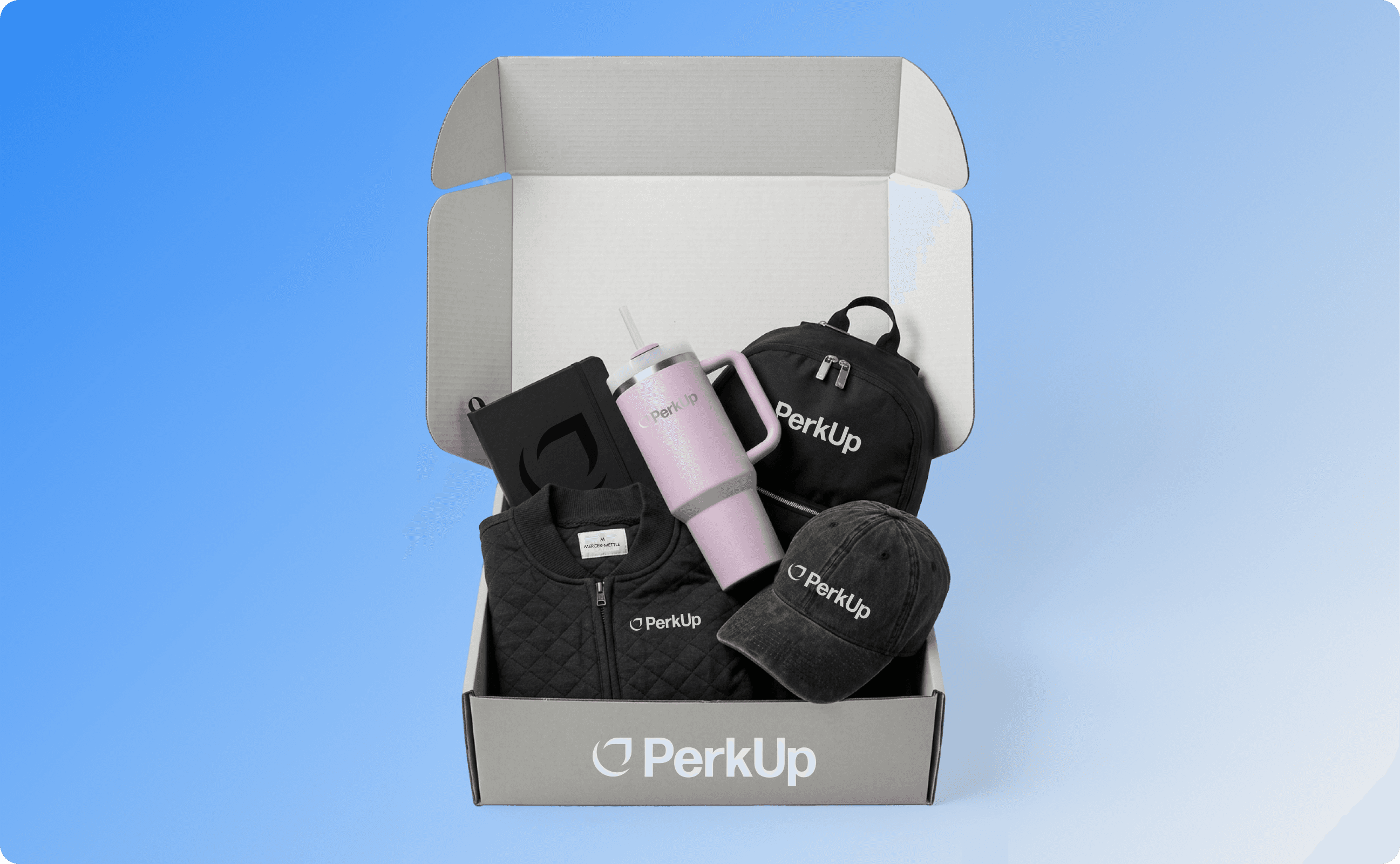
An intern welcome kit should include four items: branded apparel that signals belonging, a useful daily-carry item like drinkware or a backpack, a notebook and pen for day one, and at least one fun extra that adds a moment of personality to the unboxing. A printed welcome card pulls the whole kit together.
The best kits balance four qualities:
Branded to feel like belonging - Visible logos, especially on apparel, are the right call for intern audiences. Subtle embroidery that engineers appreciate is wasted on a 20-year-old who's about to wear the hoodie back to campus.
Practical to get used daily - Drinkware, backpacks, and notebooks earn their spot through repeated use. Each use is a tiny brand impression.
Fun enough to get photographed - Stickers, pins, and small surprise items make the unboxing feel like a unique moment for your interns.
Durable and useful to last past the summer - Apparel gets worn on campus in the fall. Drinkware sits on dorm desks. Each piece of swag you include should continue to support employer branding after the program ends.
A short welcome card from the team, the CEO, or the program lead (or even you!) costs almost nothing and lifts the entire kit. A good intern welcome gift is really a bundle of small signals, and the card is the one that says, “We actually know who you are. We’re glad you’re here.”
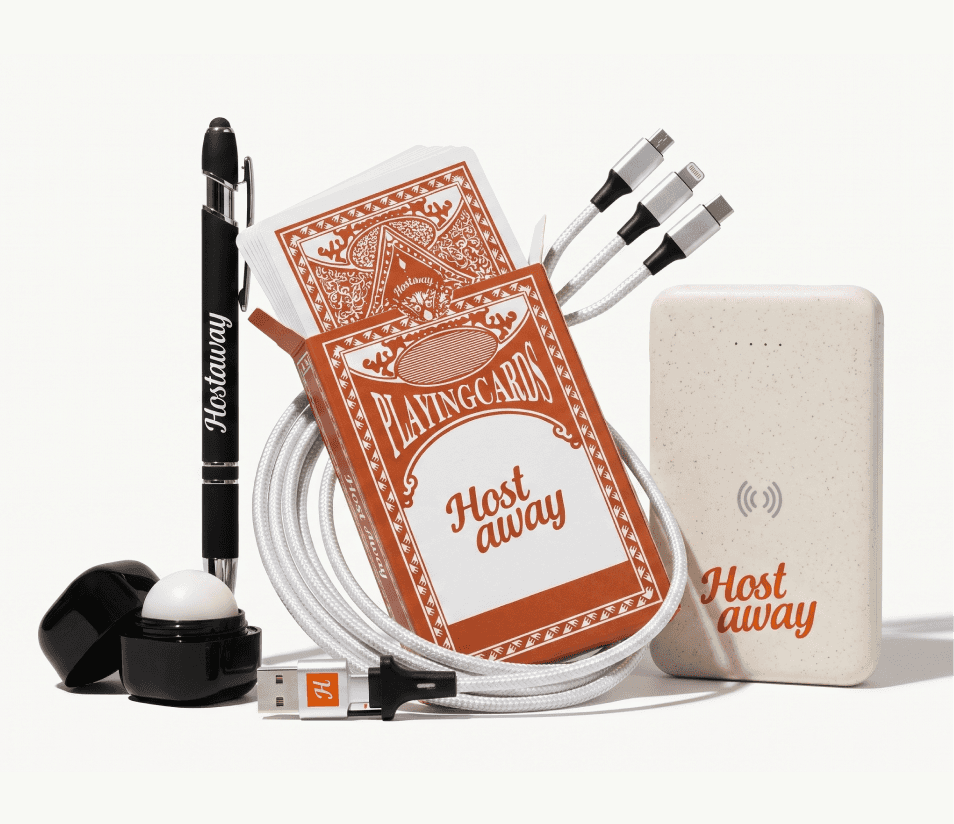



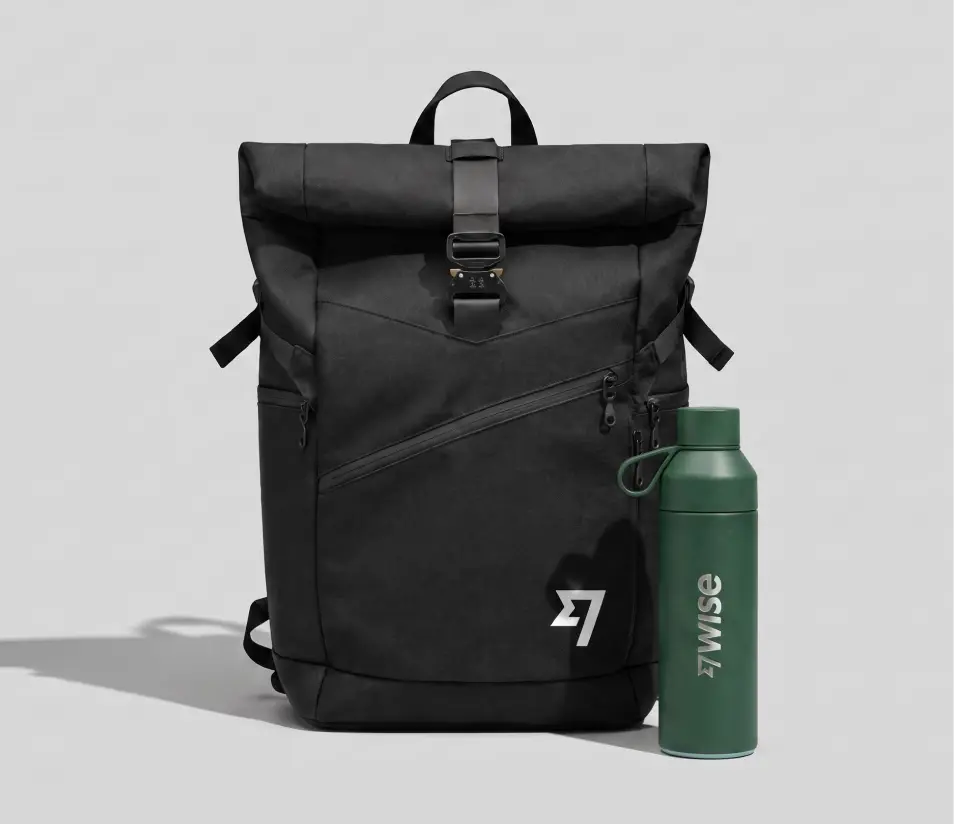

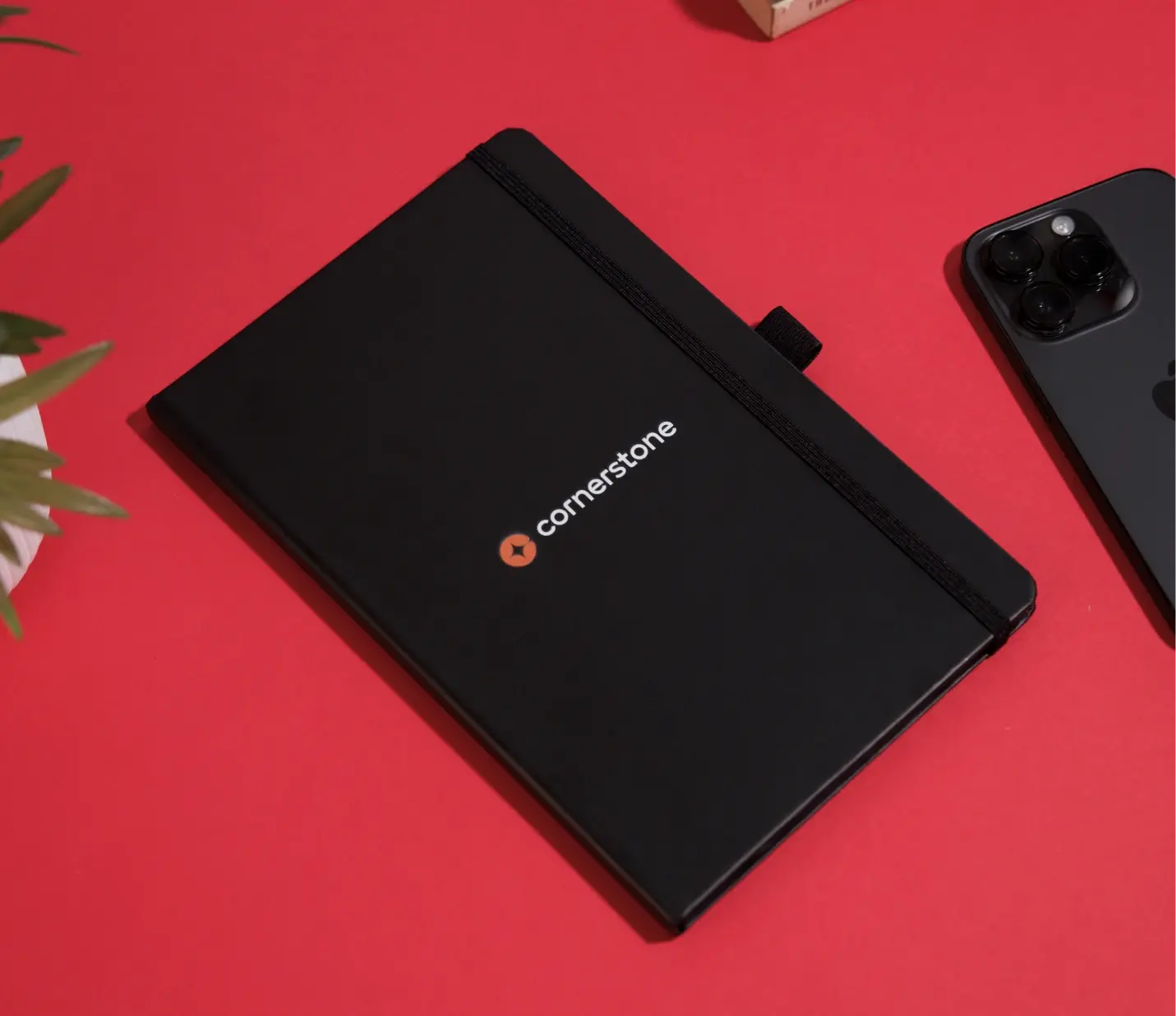



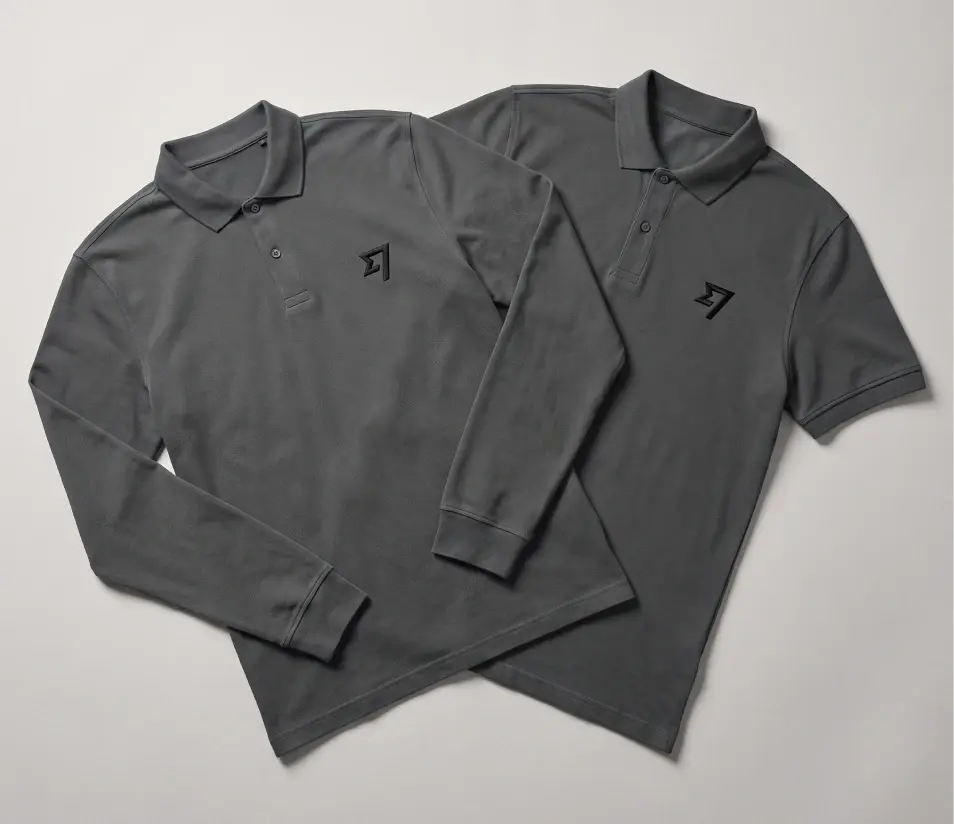
Best Swag Ideas for Intern Program Kickoffs
The intern gift ideas below are the items HR teams actually order, organized by category, with notes on which pieces work as the budget anchor of a kit and which work as the standout investment piece.
Apparel
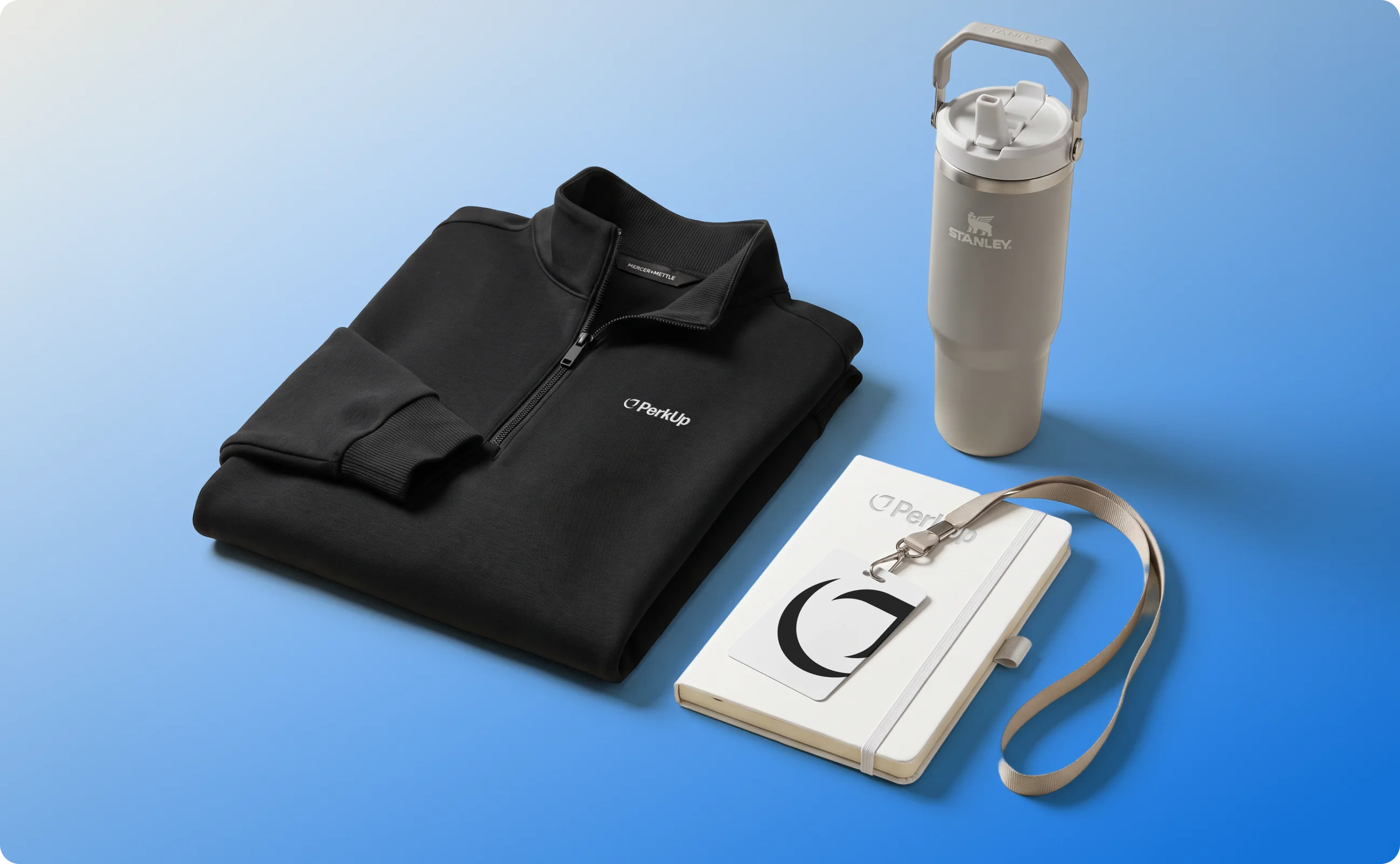
Apparel anchors any strong intern welcome kit because these pieces get worn back to campus, onto Instagram, and into classrooms, where they double as employer branding for the rest of the year.
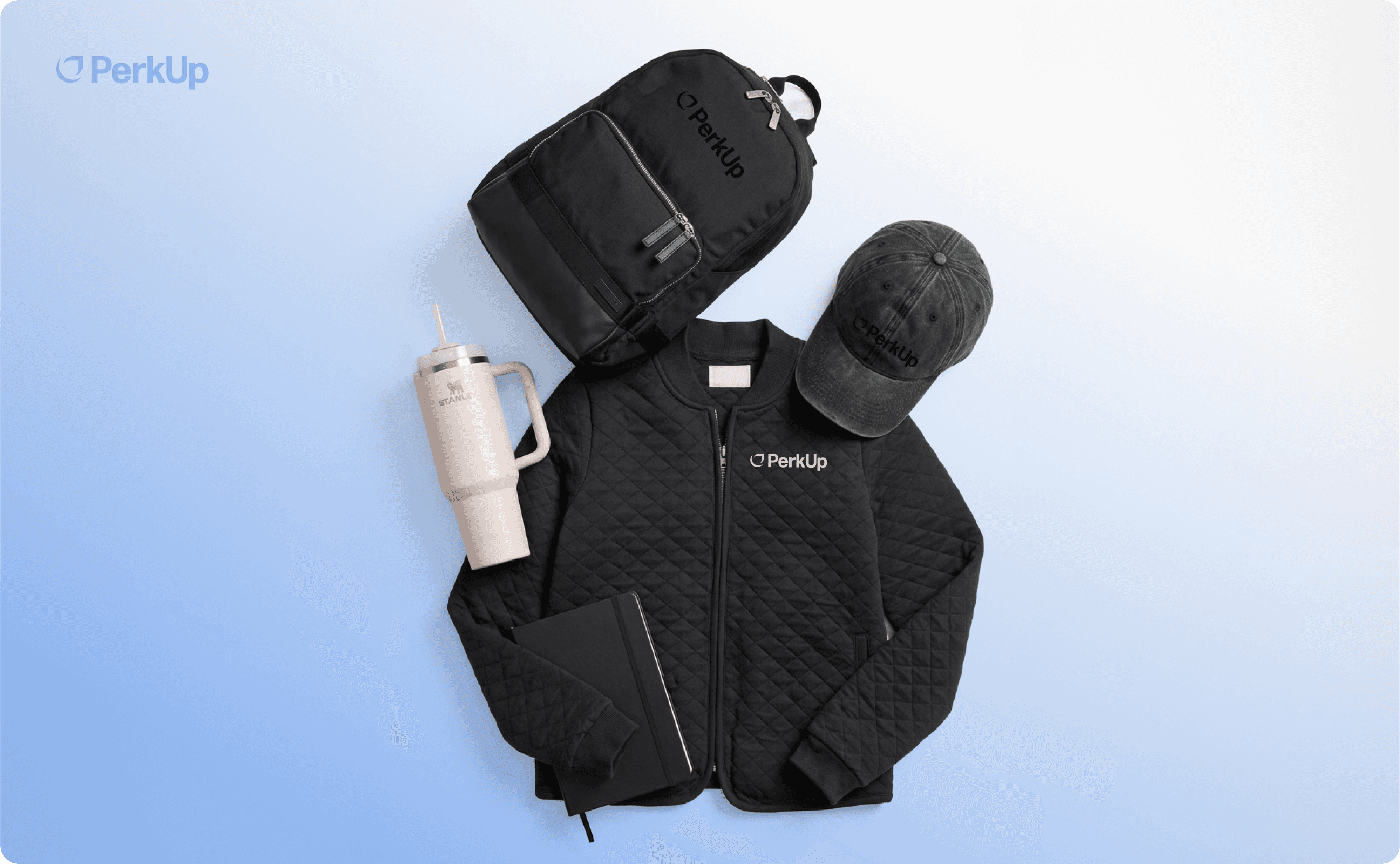
Mercer+Mettle Double-Knit Bomber - $53.64
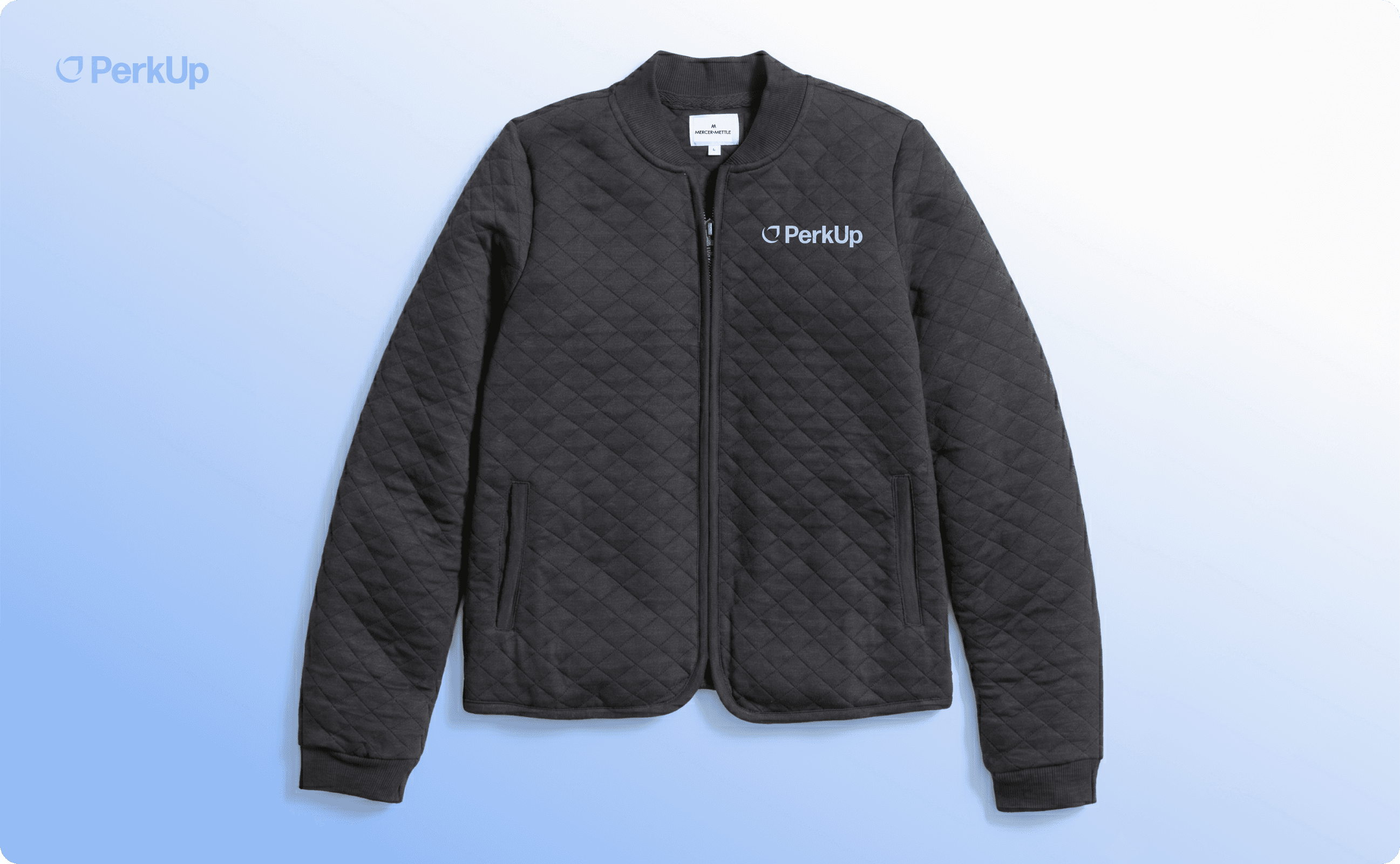
The bomber has become the trending silhouette for intern programs, and for good reason. Its fleece-style double-knit fabric, ribbed collar and cuffs, and streamlined fit read as retail apparel rather than company-issued, which is exactly how 20-year-olds want to be seen. It sits at the premium end of the apparel category, so if the budget feels stretched, teams can still feature the bomber as the hero piece and balance it with two smaller items like a custom pen and a sticker sheet.
Hanes Adult EcoSmart Pullover Hoodie - $14.29
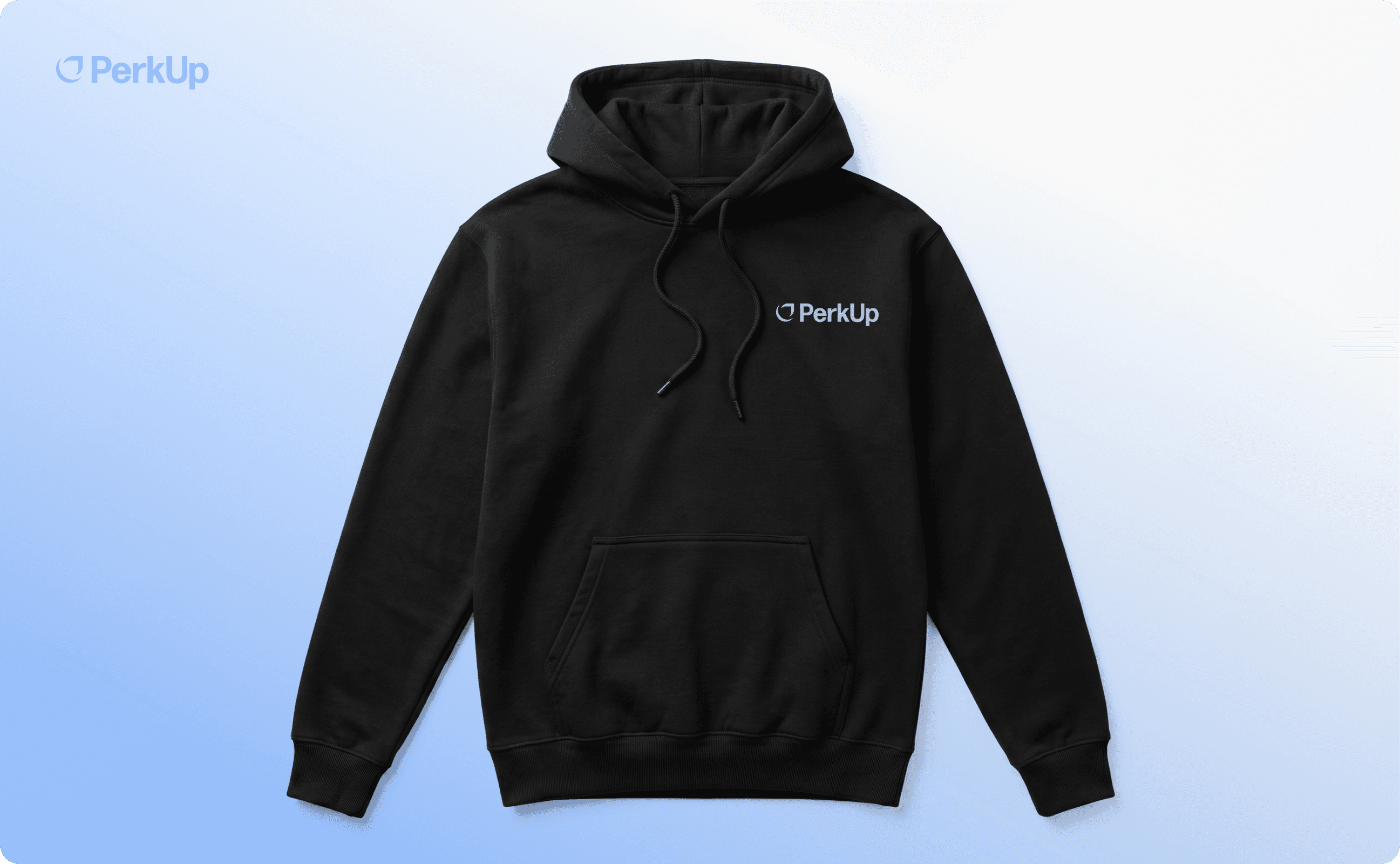
The hoodie is the everyday layer interns reach for during late nights, early mornings, and cold conference rooms. Made with recycled polyester, it delivers on sustainability without pushing the budget, which makes it the go-to pick when you want every intern in matching apparel on day one.
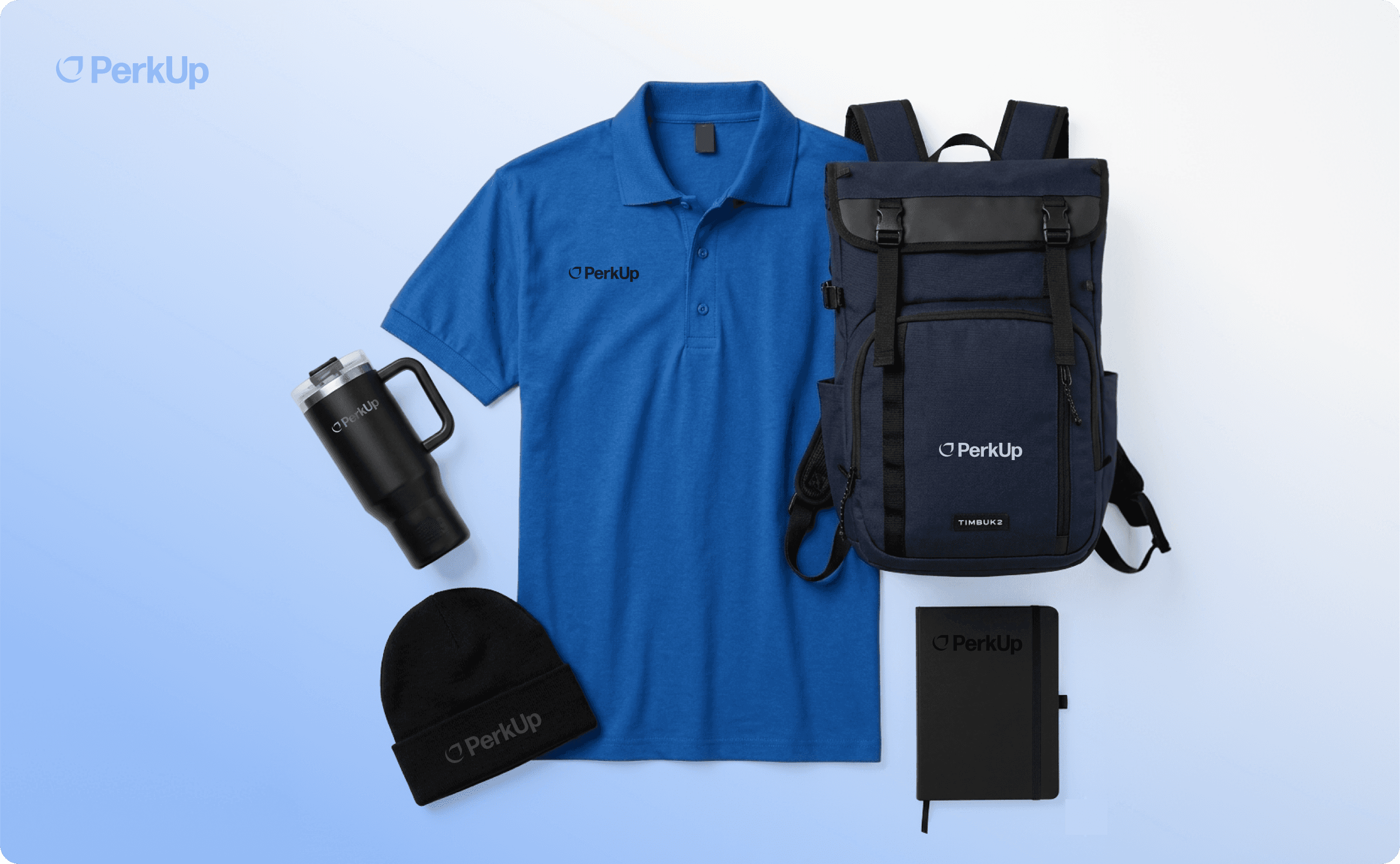
Gildan Unisex DryBlend Jersey Polo - $10.79
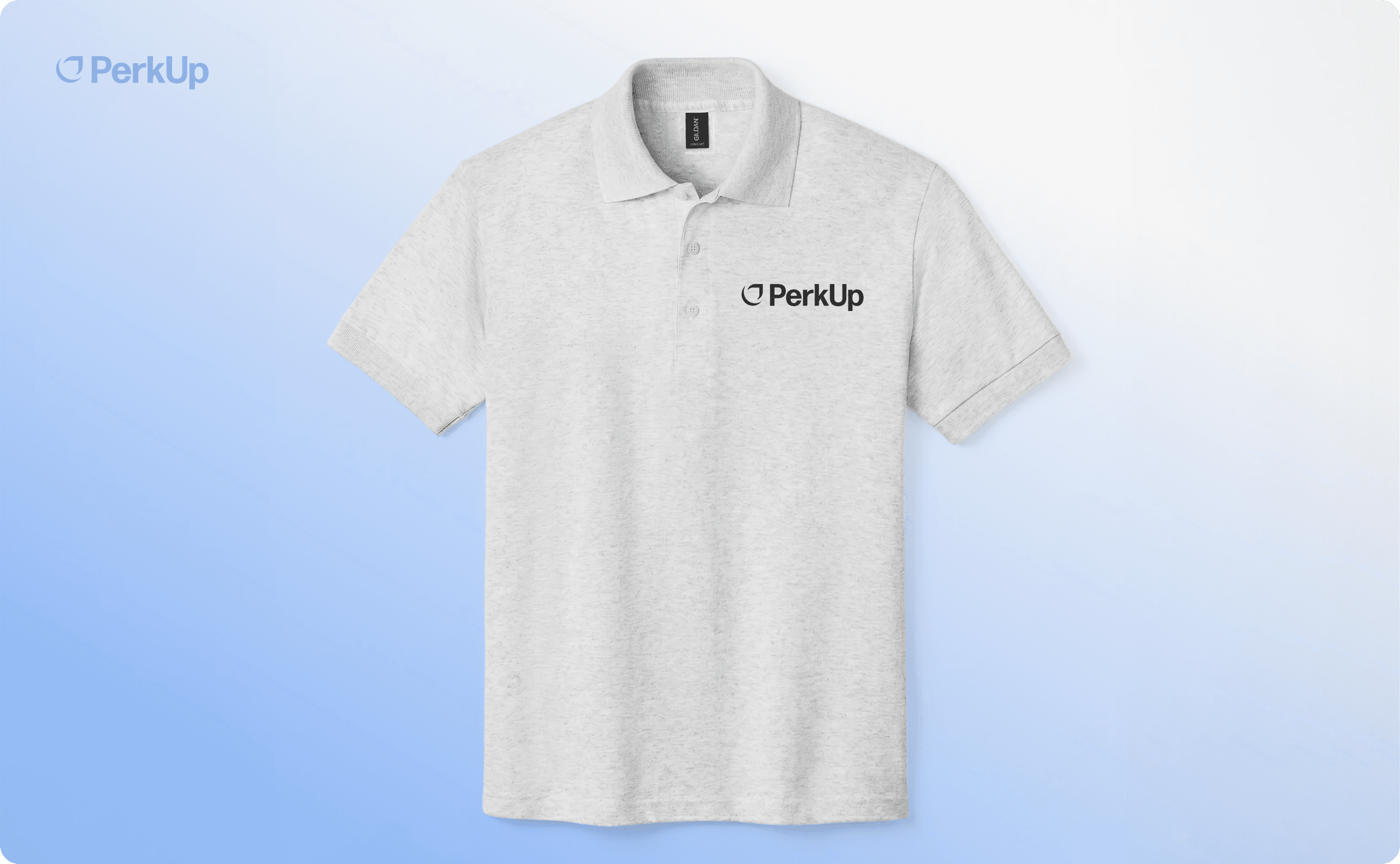
For intern programs with client-facing events, office visits, or business-casual dress codes, a polo gives interns something office-appropriate to wear without having to buy their own. The cotton-polyester jersey stays cool during outdoor orientation sessions and holds its shape through repeated washes.
Drinkware
Good drinkware punches above its weight as intern gifts because it earns a spot on every intern's desk for the summer and follows them back to campus in the fall.
TYESO AURA Insulated Travel Tumbler - $21.19
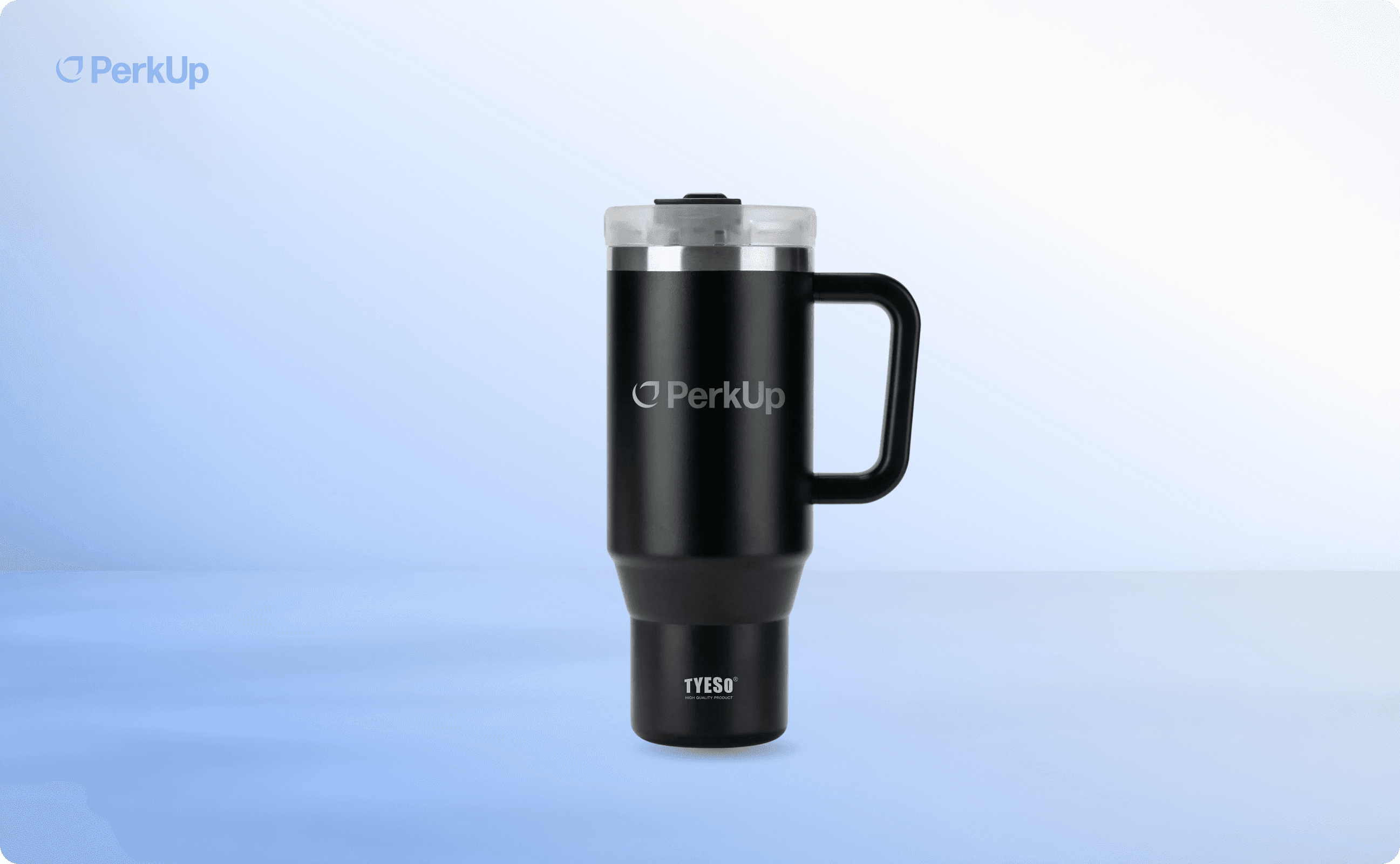
A reliable, everyday tumbler that does the simple things well: coffee stays hot through a morning standup, ice water stays cold through an afternoon deep-work block. Food-grade stainless steel walls, double-wall vacuum insulation, and a sturdy handle keep it feeling solid in hand. Mid-range pricing makes it the balanced pick when you want quality drinkware without dipping into hero-piece territory.
TYESO ROAM Tumbler 2.0 | 40 oz - $26.59
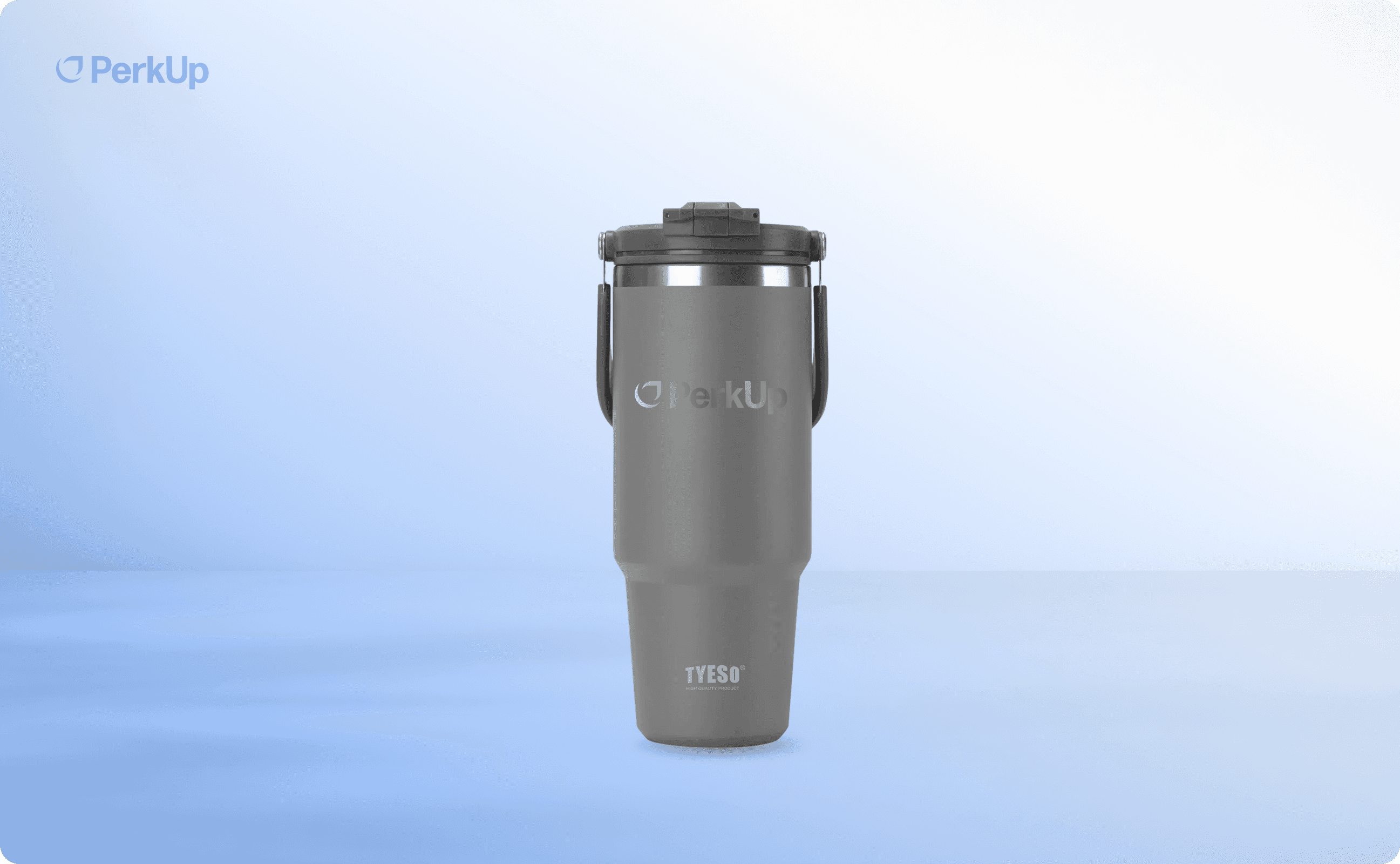
Bigger, travel-oriented, and built for interns who park a drink on their desk for the whole shift. An integrated handle with a stainless steel core, vacuum insulation, and a straw lid make it a functional step up from the standard tumbler. A smart investment piece that aligns with the oversized drinkware trend college-aged interns have been gravitating toward.
Stanley® 30oz The Quencher H2.0 Flowstate™ Tumbler - $46.68
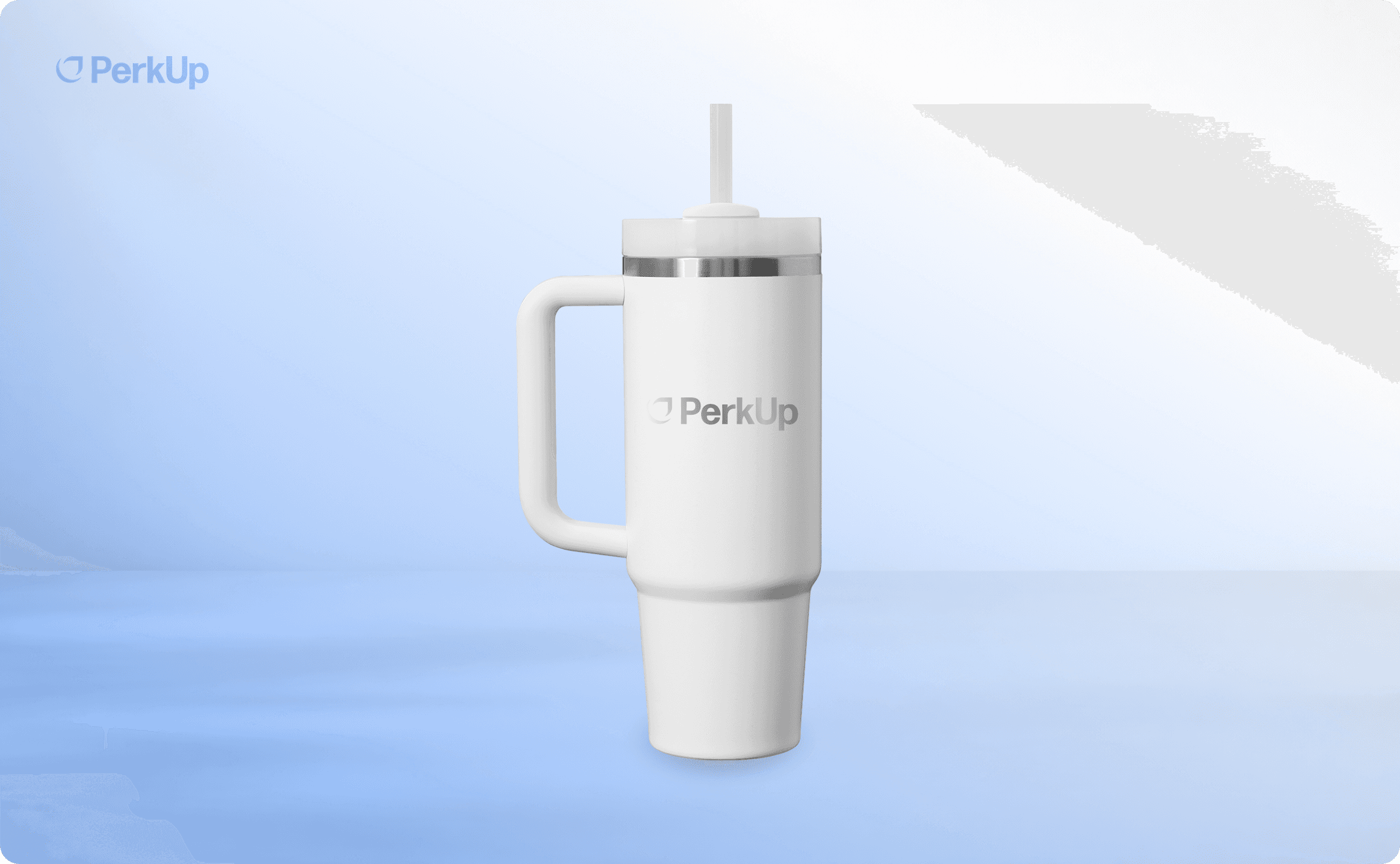
The Stanley Quencher is the drinkware moment interns have watched cycle across TikTok for years. Built with 90% recycled stainless steel, a reusable straw, and a three-position lid that covers every drinking style, it's the status tumbler in college circles right now. It is also the most premium item in this category, so if it tips the budget, it works well as the standout piece in a kit rounded out with two smaller items, like a sticker sheet and a custom pen.
30 oz Owala Freesip Sway - $42.99
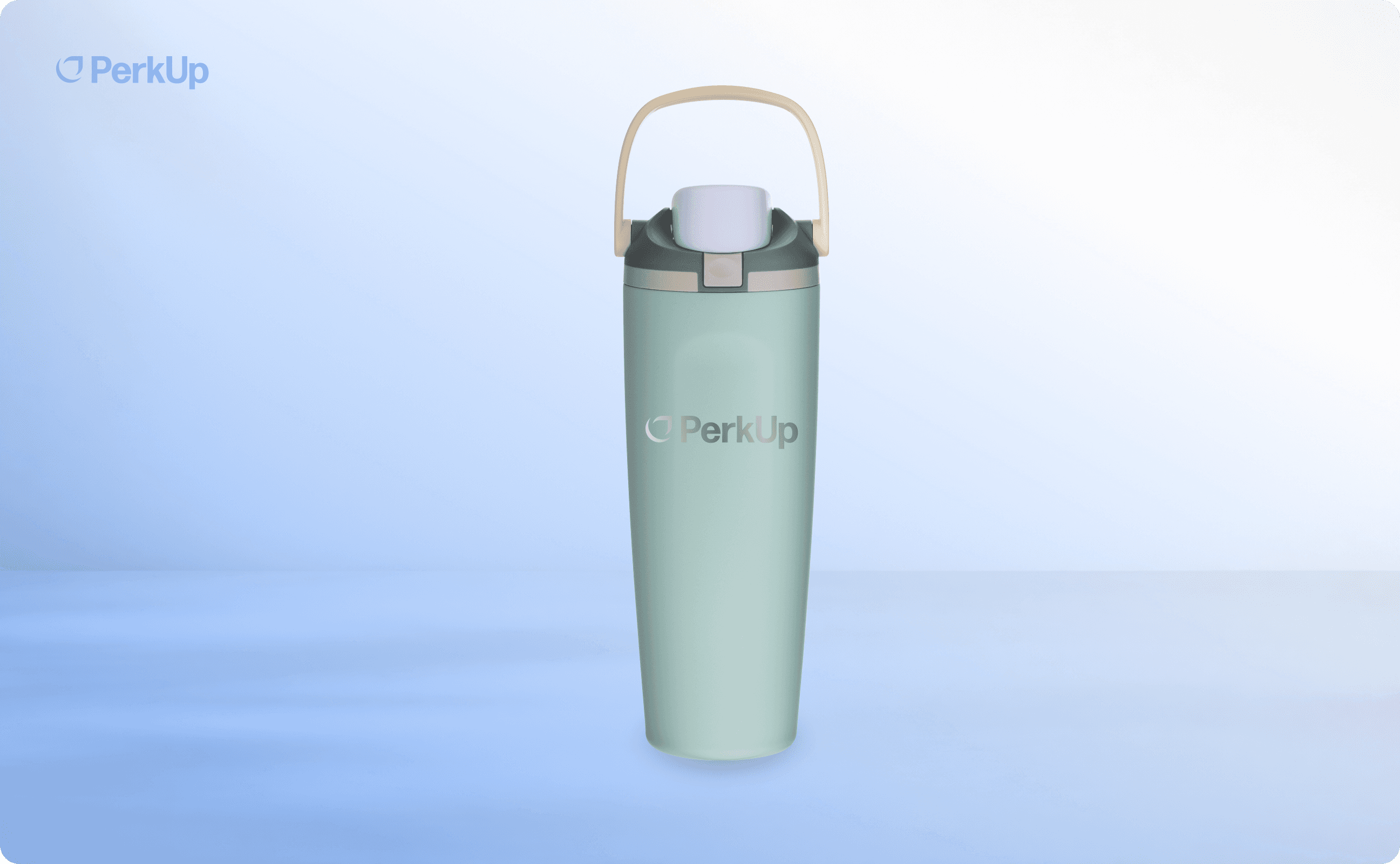
Owala has been steadily climbing as the design-forward alternative to Stanley, with a push-button locking lid that saves interns from the classic tote-bag spill. The dual-opening sip works as a straw or a direct-drink opening, which covers both coffee at the desk and hydration on a lunch walk. It sits alongside the Stanley in the premium tier, so the same balancing approach applies: let it carry the kit, then pair it with two budget-friendly swag.
Bags
For any summer intern commuting to an office, the backpack is the piece that gets the most hours of use per day.
Travis & Wells® Ashton Laptop Backpack - $52.98
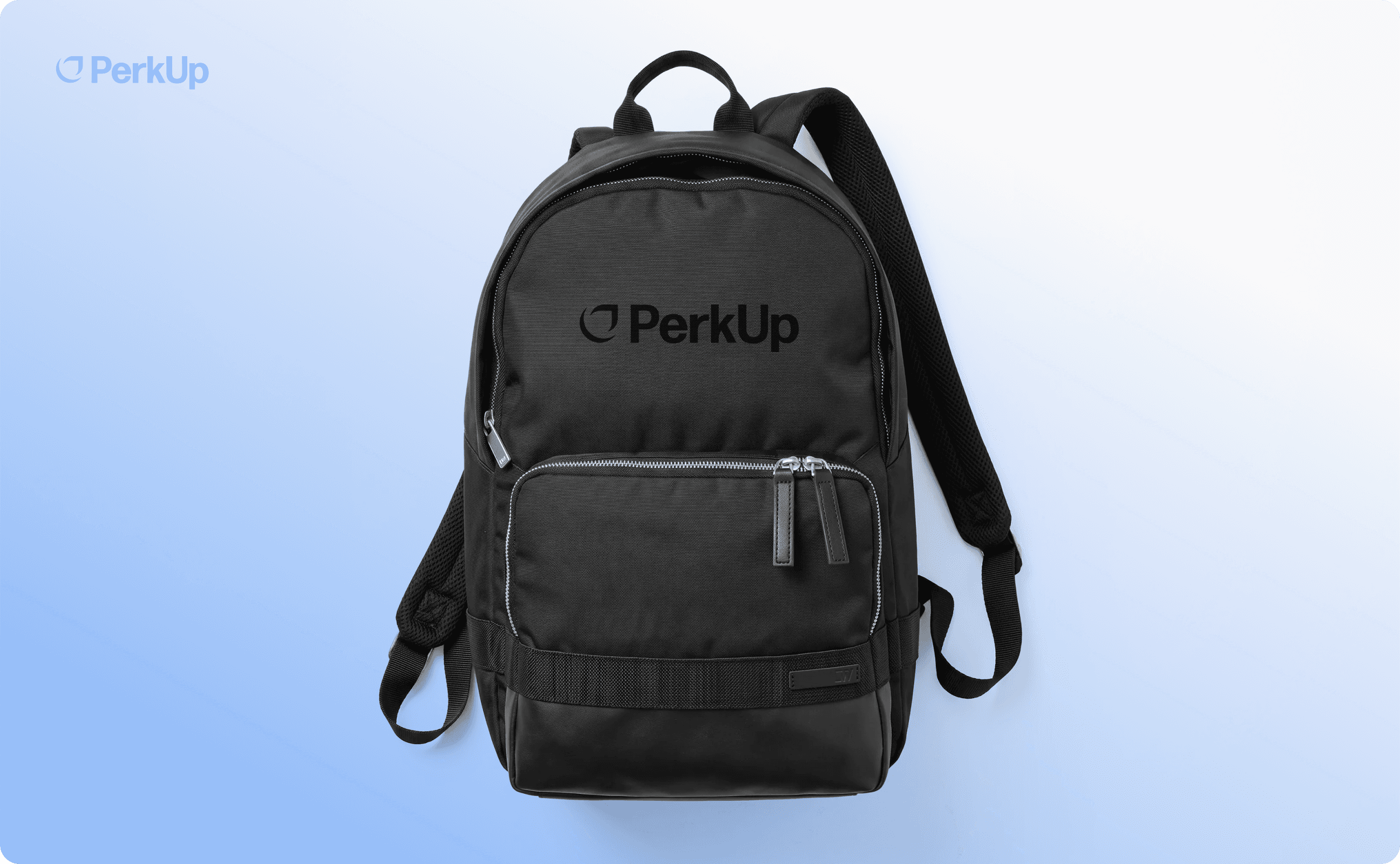
A modern, sleek pack with a padded laptop compartment, interior water bottle pocket, scratch-resistant phone pocket, and a trolley strap for luggage transport, which is handy for interns traveling in from out of town for the program. Premium pricing means it works best as the hero piece of the kit, balanced by a couple of lower-cost items like a notebook and a lanyard.
Timbuk2 City Compass Flap Backpack - $69.98
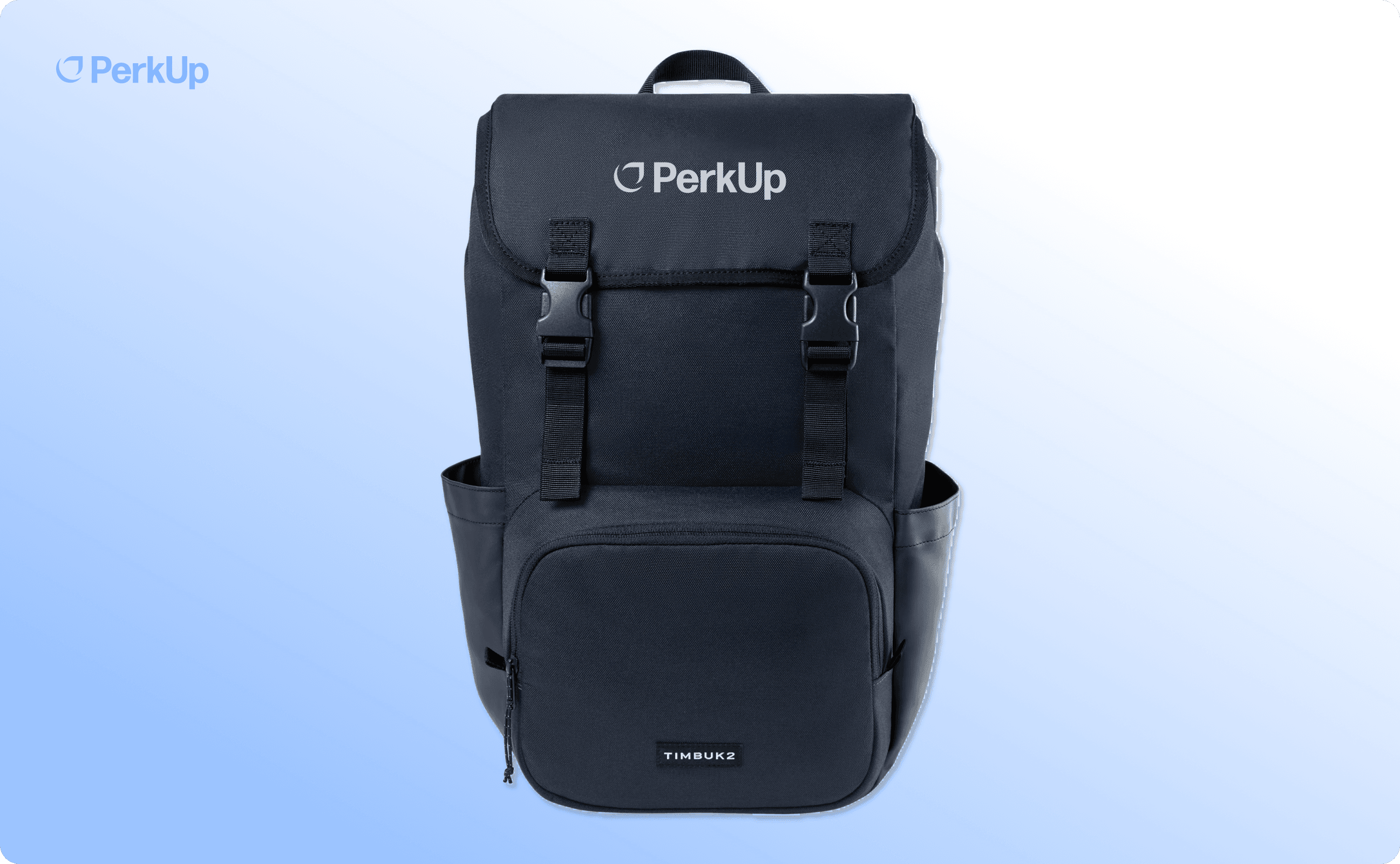
The most retail-feeling option of the three, with a padded laptop sleeve that fits up to a 15-inch device, dual side pockets, a reflective front strip for commuting visibility, and Timbuk2's lifetime warranty. The PVC-free build also gives it some sustainability credibility with eco-conscious interns. It sits at the top of the category's price range, so reserve it for cohorts where you want a single standout investment piece.
High Sierra® Haidan Laptop Backpack - $35.98
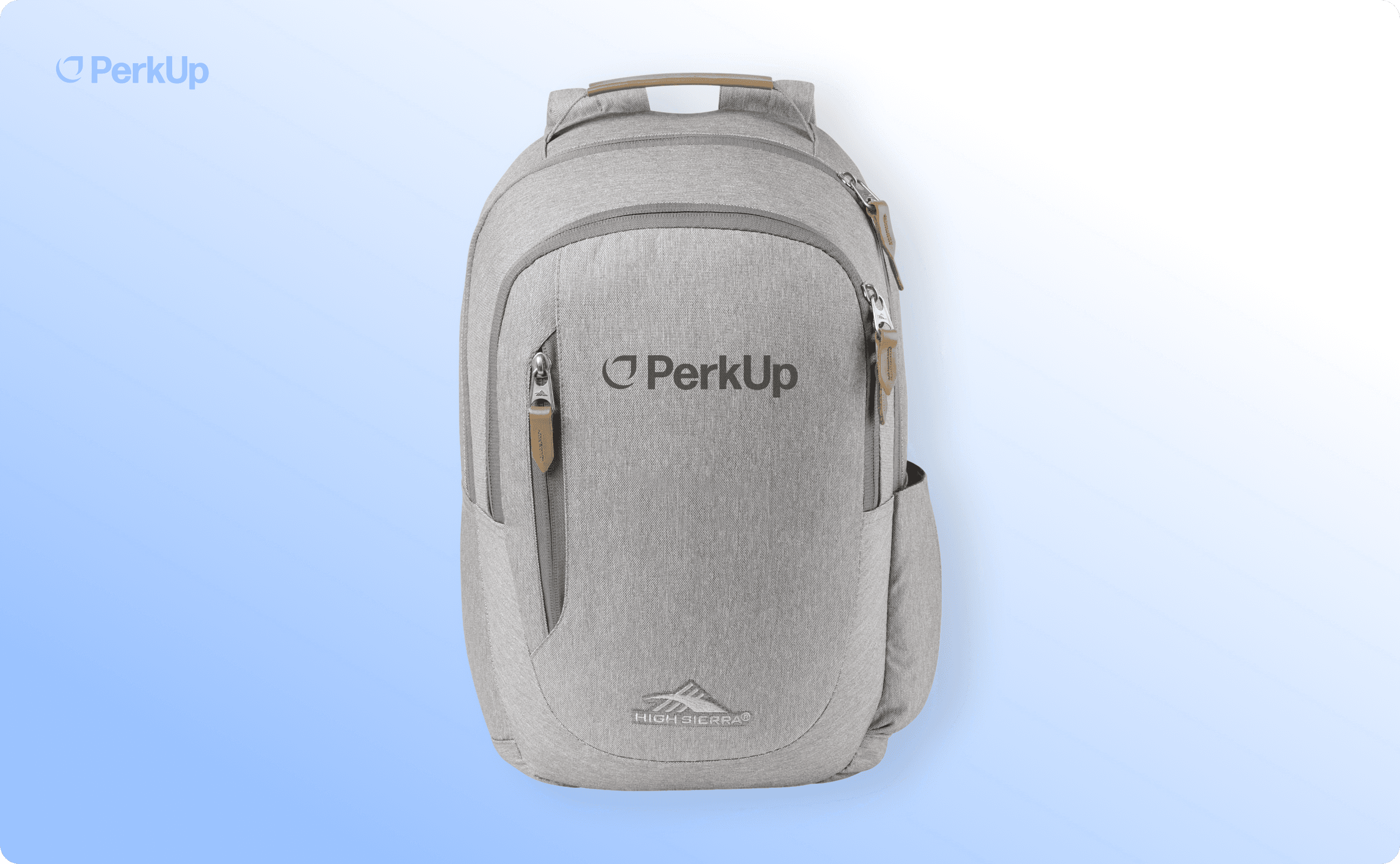
A practical, everyday pack with a fleece-lined laptop sleeve, a tablet sleeve, multiple accessory pockets, padded straps, and a top grab handle. It's an investment piece that still sits at the approachable end of real-brand backpacks, which makes it the balanced choice when you want every intern to get a proper laptop-ready bag without maxing out the budget.
Notebooks, pens, and day-one essentials
These small items show up at every meeting from day one and tend to stay on an intern's desk all summer. They're also the easiest pieces to layer into a kit when you're rounding out an intern onboarding checklist and need budget-friendly items that still feel considered.
Signature A5 Notebook - $4.49
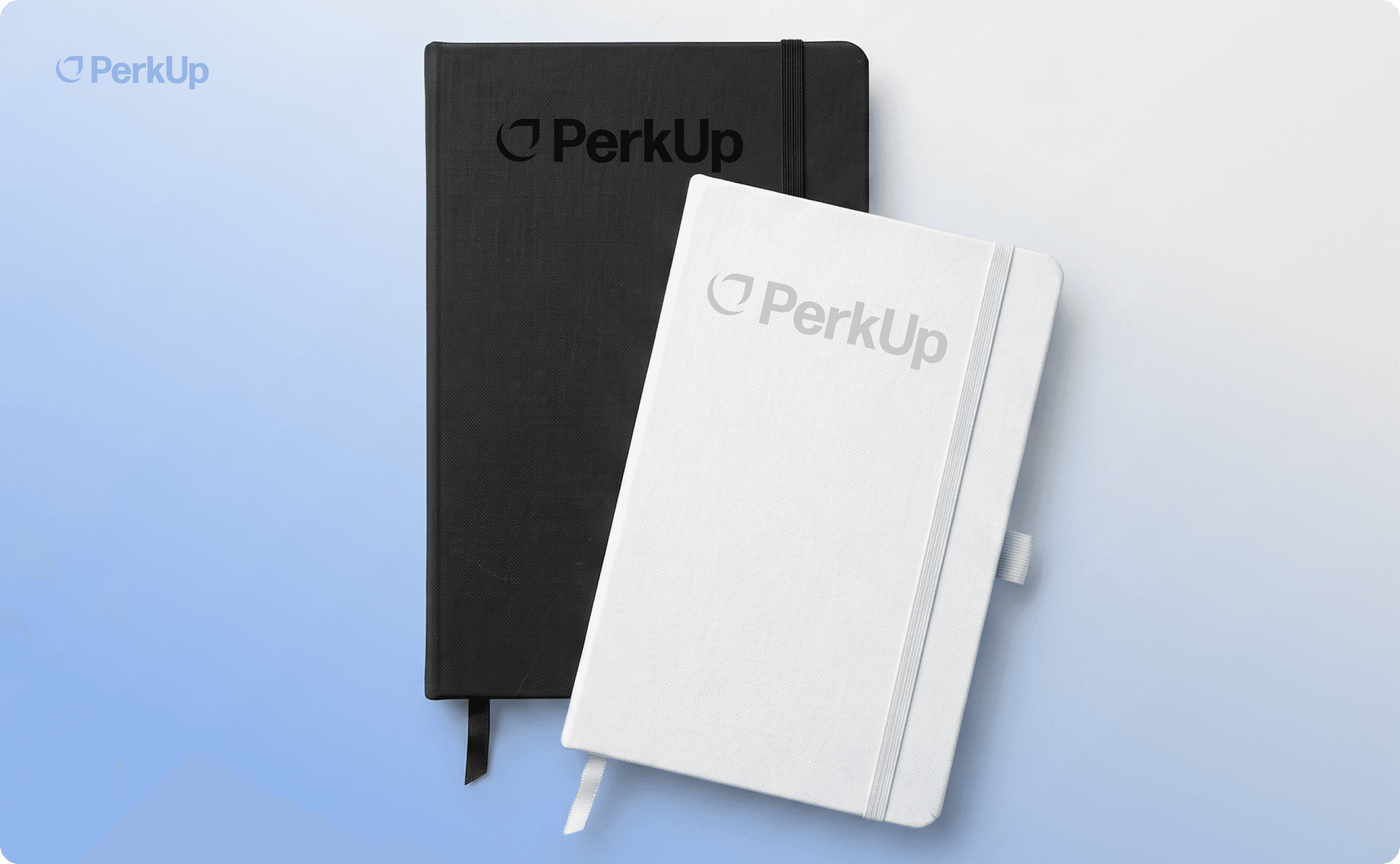
A soft-touch PU hard cover, FSC-certified paper, 160 lined pages, and a ribbon page marker. It looks more premium than the price suggests, which is why it lands on desks and stays there. Budget-friendly enough to include without squeezing the rest of the kit.
Kaco Pure Gel Pen - $1.44
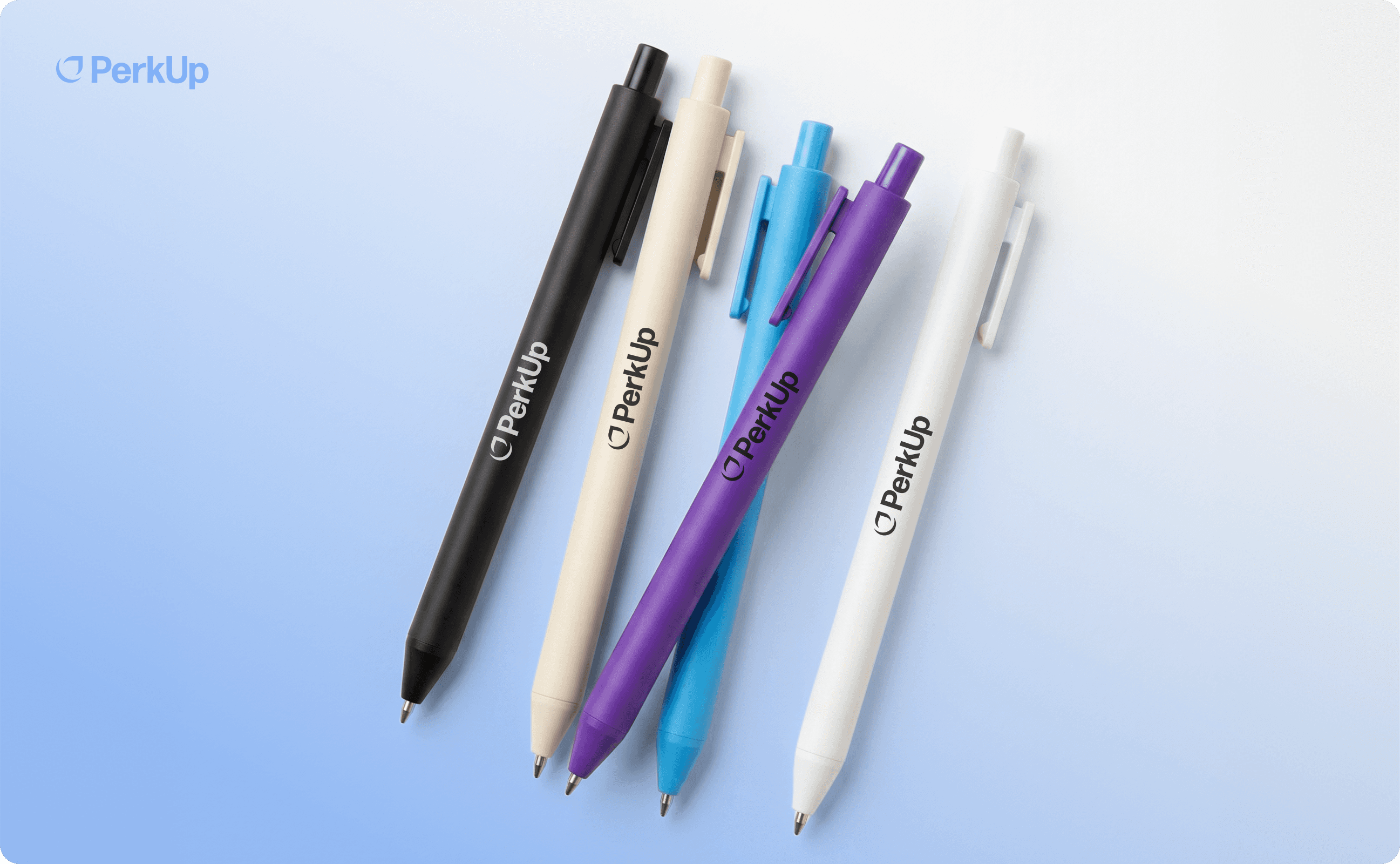
A plastic body with a soft-rubber spray finish and a 0.5mm bullet tip. Interns lose pens. Good branded pens earn their way back into rotation and onto desks. The retractable design makes it easier to carry around than capped alternatives.
Flat Panel Lanyard - $1.09
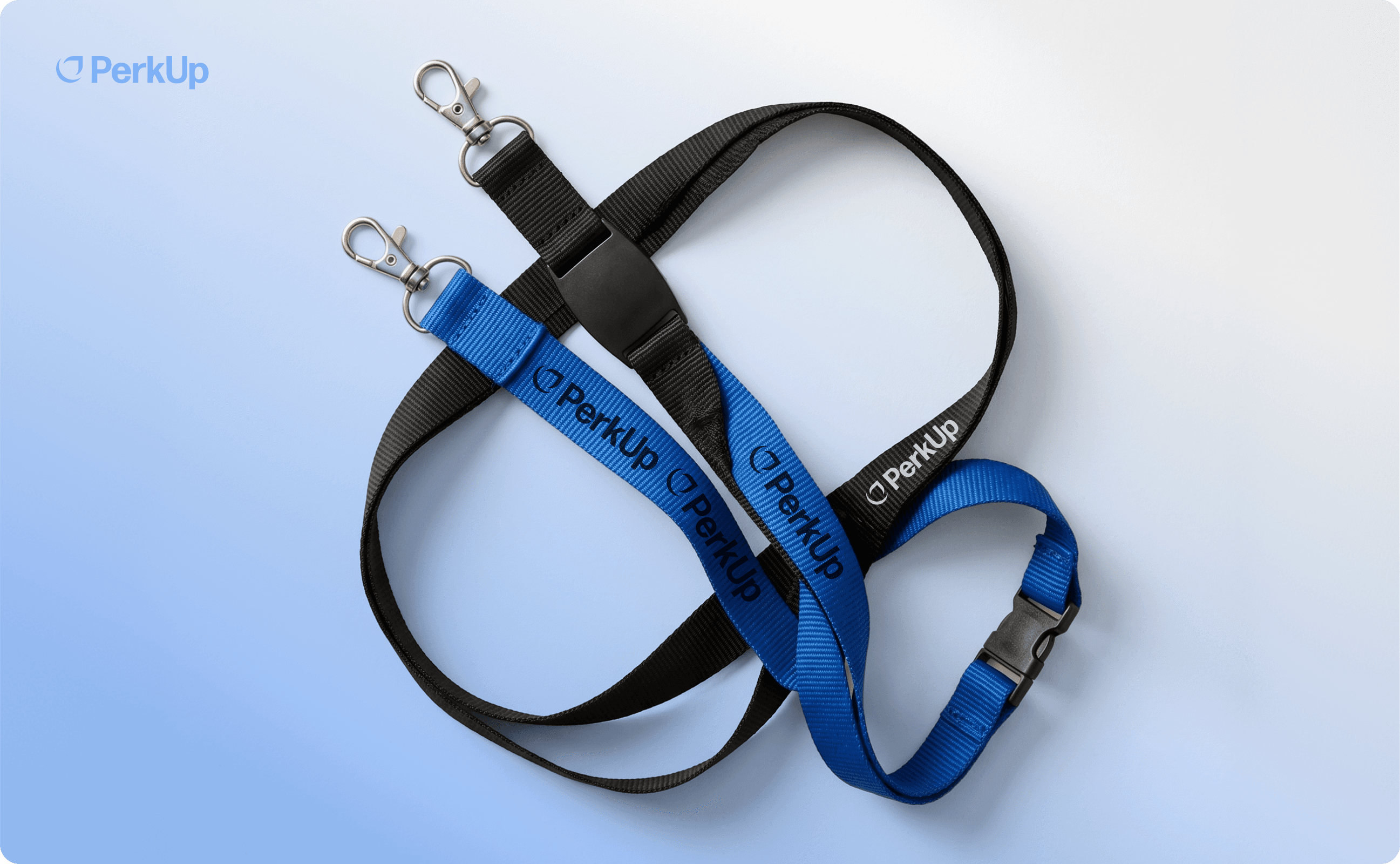
For any program with office access, a lanyard is part of the first-day uniform. The flat-panel design opens up a wide surface for custom decoration, which is ideal for pairing your main logo with the cohort year or program name.
Accessories
These items work well as standalone gifts for interns handed out at orientation events or all-hands welcomes.
Flagship Crew Socks - $17.89
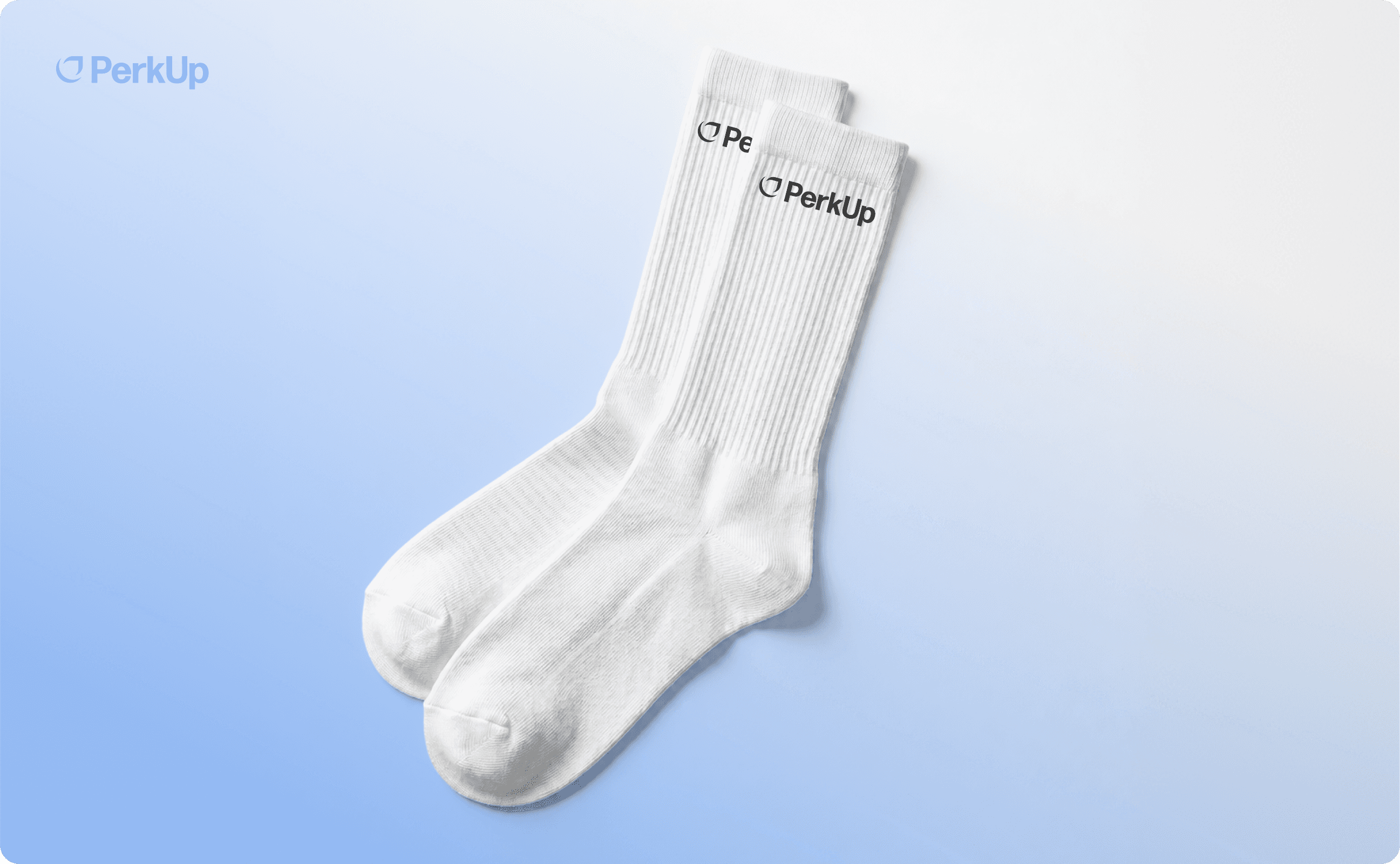
Made in the USA with a cotton-nylon-spandex blend and a one-size-fits-most design. Socks are the sneaky-good intern item: they get photographed on day one, traded between interns as a small brag, and worn long after the program ends. Mid-range pricing that fits comfortably inside most kit budgets.
Vintage Washed Baseball Cap - $1.89
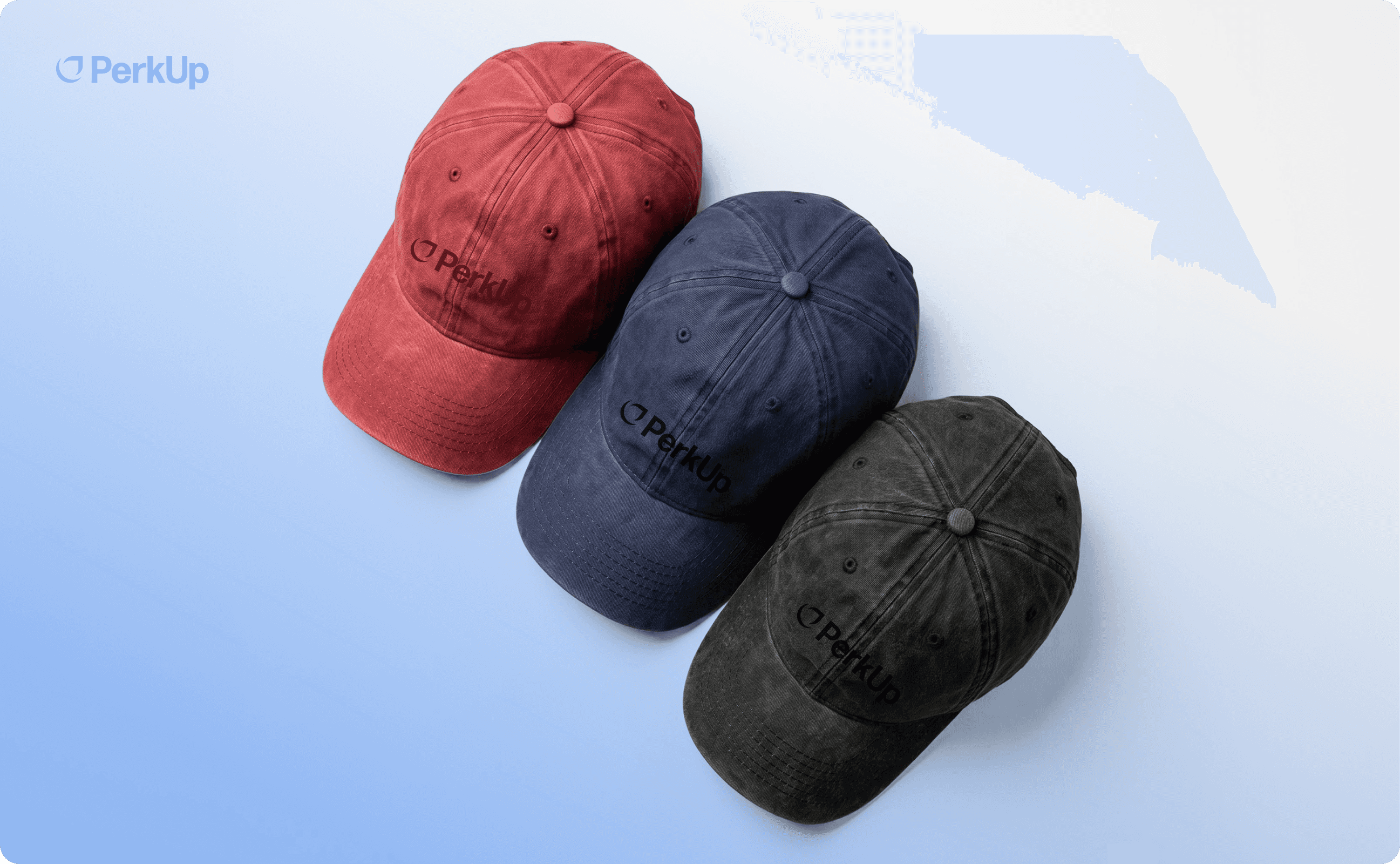
A cotton cap with a washed, distressed finish and an adjustable closure. Budget-friendly and ideal as the cohort photo piece on orientation day. Works equally well as a kit item or as a handout at a kickoff event.
Pure Beanie - $13.19
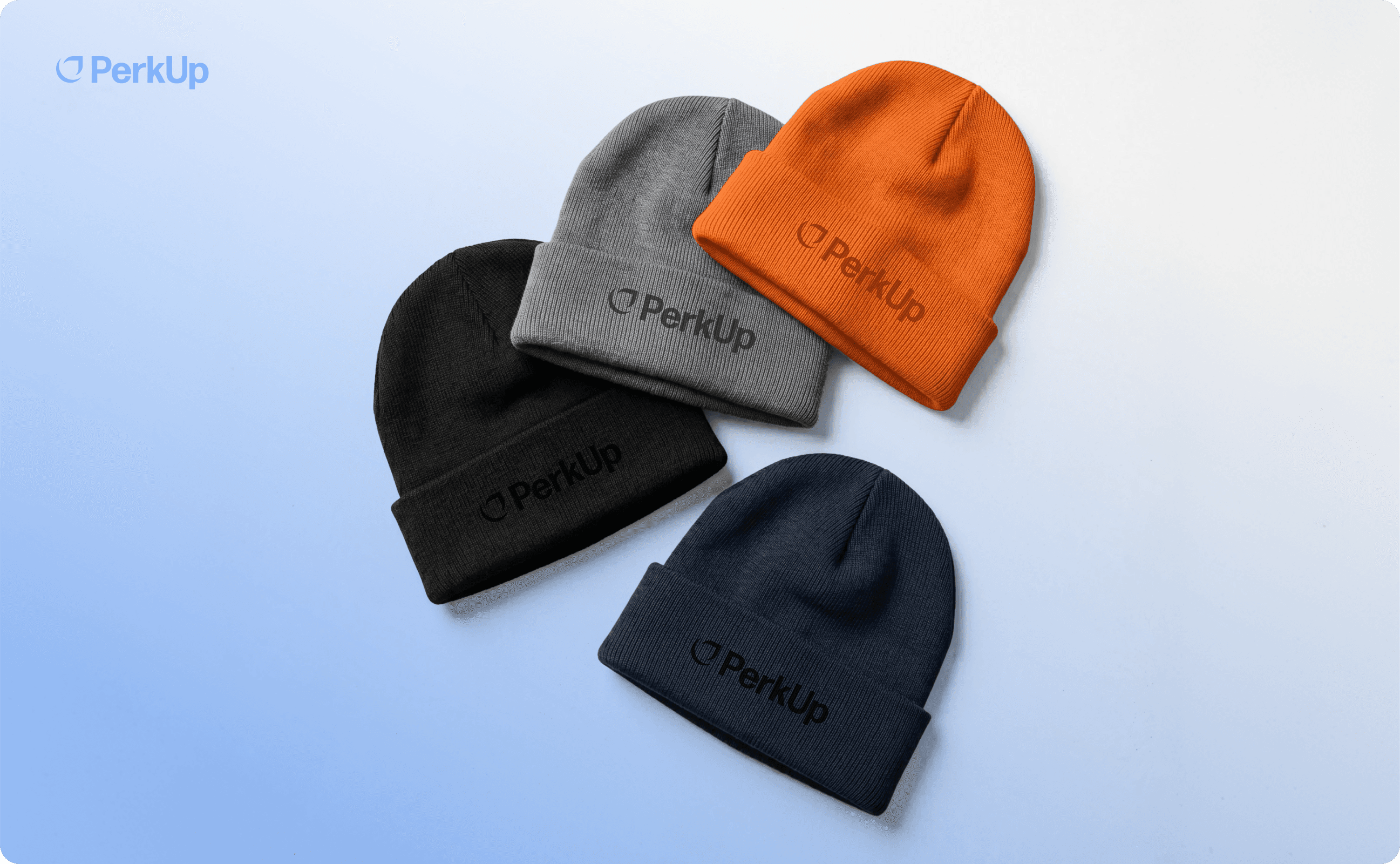
A classic beanie made from a Polylana recycled-and-virgin yarn blend, with an ultra-soft hand feel and a clean silhouette that pairs with hoodies and jackets. Especially useful for programs kicking off in regions where spring mornings are still chilly, or as an item that extends wear into fall and winter once interns are back on campus.
Fun extras
These items don't need to earn their spot through utility. They add personality and make the unboxing feel like a moment instead of a shipping delivery. They also double nicely as intern appreciation gifts mid-summer, around National Intern Day on July 30, 2026, or whenever you want to recognize a program milestone.
Sticker Sheet | 4” x 6” - $1.29
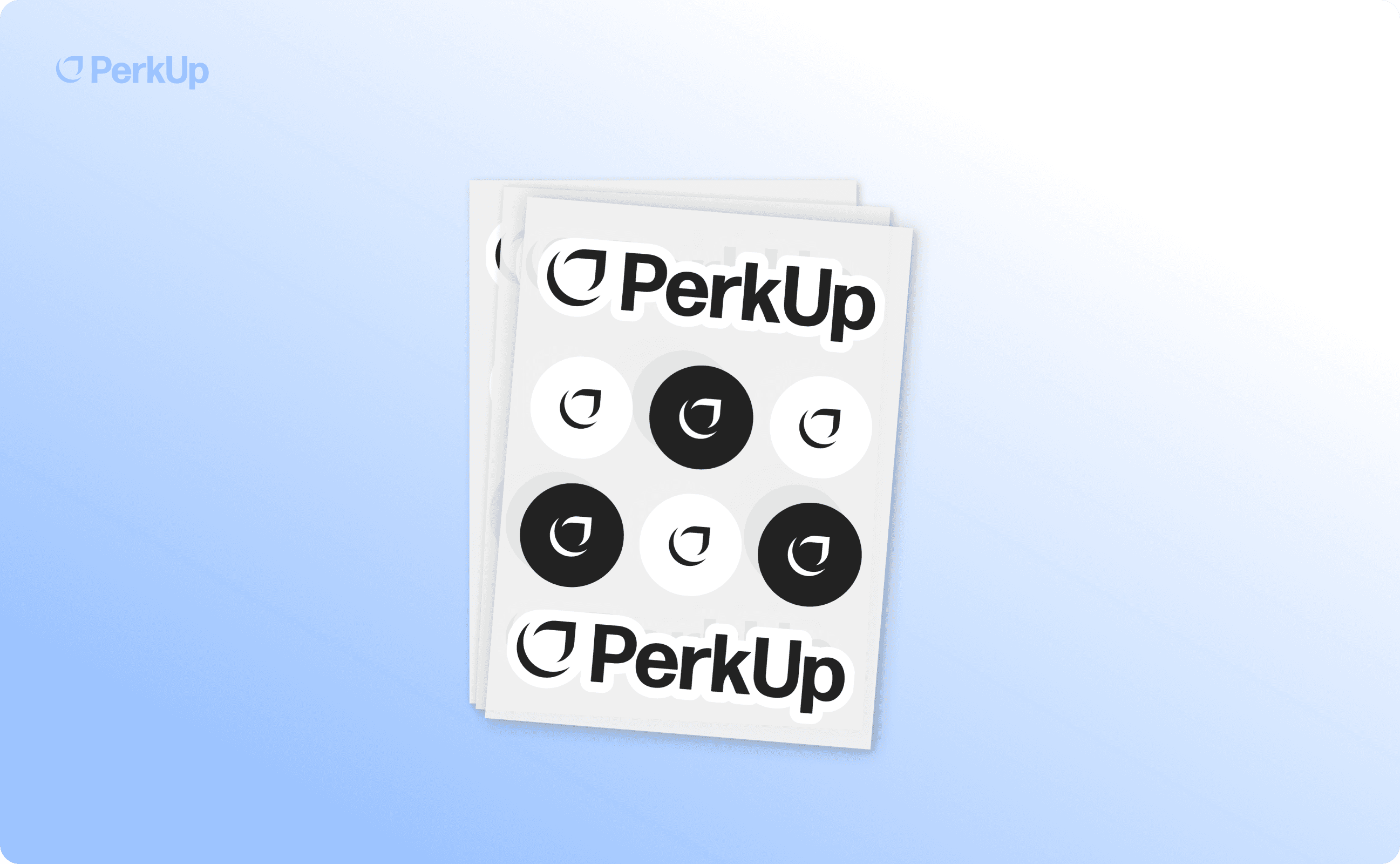
Custom stickers land on every intern's laptop in the first week, which means they show up in every group photo, every Zoom backdrop, and every coffee shop shot. A fully customizable layout across the full page lets you mix logos, icons, inside jokes, and cohort-specific details. One of the cheapest ways to personalize a kit.
Custom Metal Pin | 1.75" - $2.02
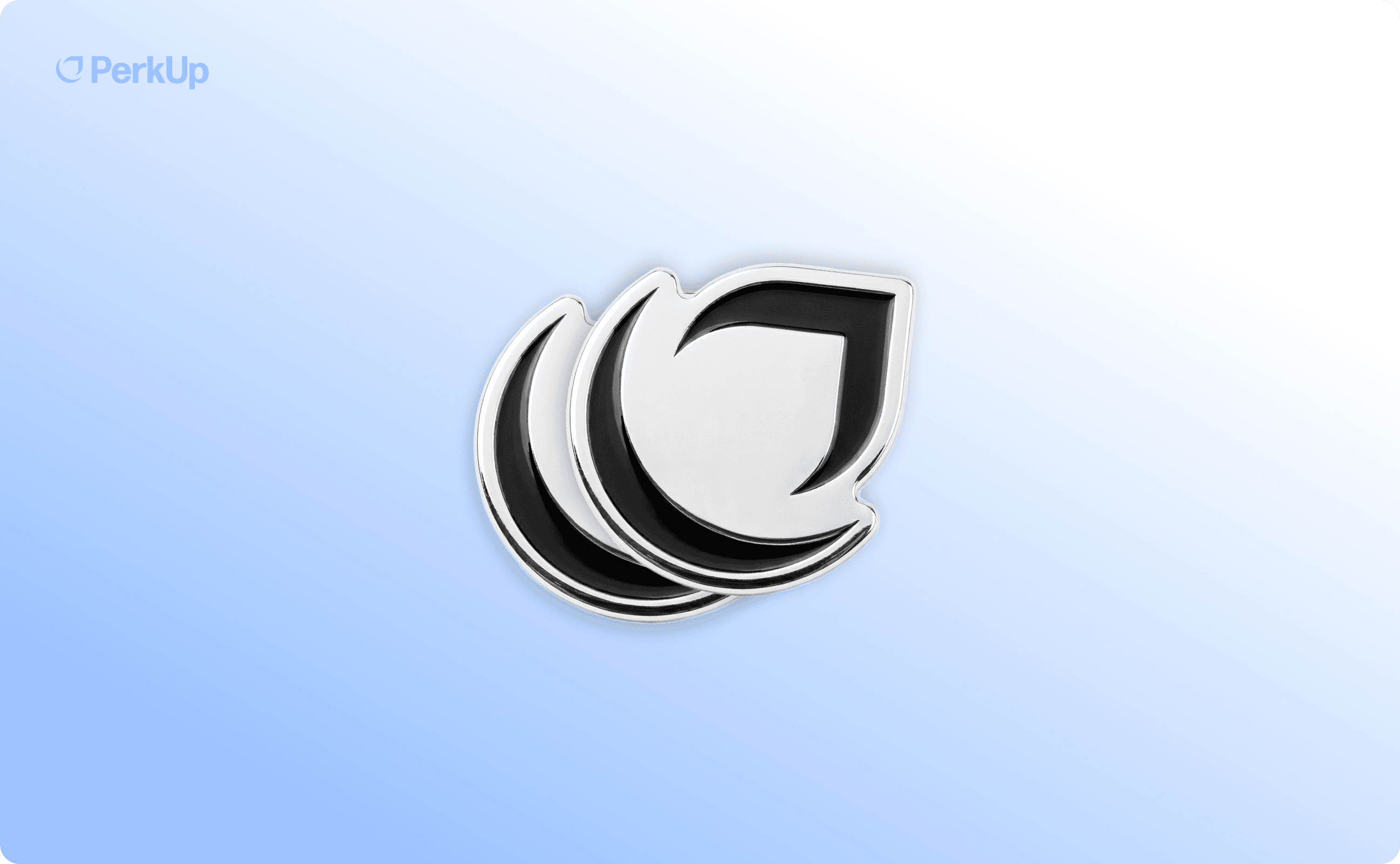
Hard enamel, nickel-plated, with a butterfly-clutch backing and up to four colors included. Pins end up on backpacks, denim jackets, and bulletin boards long after the program wraps. A collectible element for each cohort that stays well inside the budget.
Relicup Decision Dice Stress Reliever - $2.59
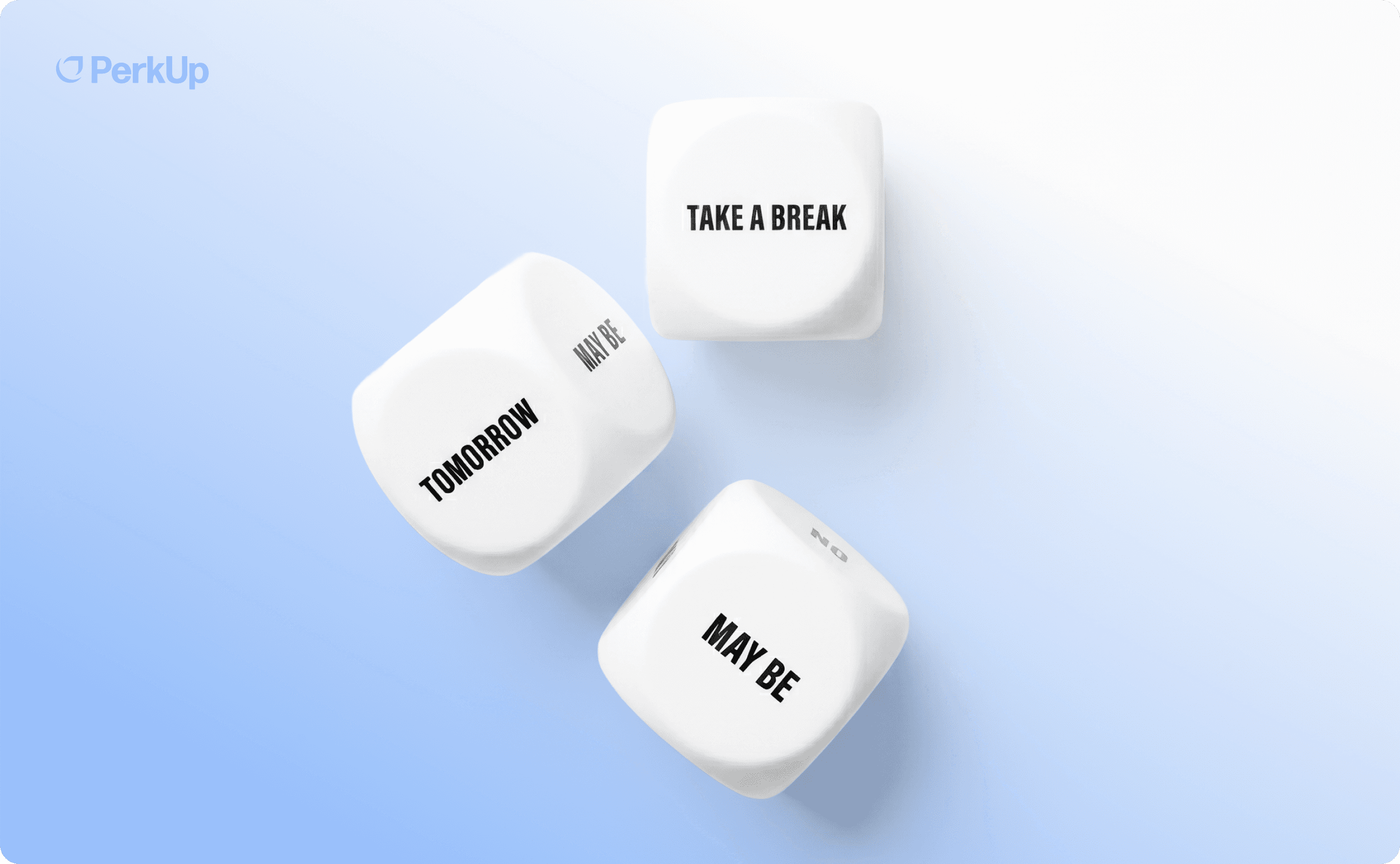
A PU foam stress dice printed with phrases like Take a break, Tomorrow, Maybe, Yes, and No. It's the kind of desk item that keeps showing up in team photos all summer, earns a laugh at orientation, and adds a small joke-gift dimension to a more substantial kit.
How do you brand intern swag without going overboard?
Brand intern swag using a tiered approach: full-volume logos on one or two hero items like the hoodie or backpack, smaller or tone-on-tone marks on supporting items like notebooks and drinkware, and secondary placements like inside tags or nape labels for polish.
Here are a few things to keep in mind:
Concentrate primary branding on one or two pieces. The hoodie and the backpack can carry a bold logo. The notebook, drinkware, and socks should lean more subtle, with a smaller mark or a tone-on-tone print. This gives the kit visual rhythm and keeps it from feeling like a walking advertisement.
Use secondary placements for polish. Inside tags, neck labels, side labels on apparel, and custom inserts on drinkware lift the perceived quality of the kit without crowding the main face of each item. These placements typically add a few dollars per piece but read as genuinely thoughtful.
Design the unboxing moment. Even great items feel generic if they arrive in a plain brown box. Custom tissue paper, branded kit boxes, or a printed insert card give the kit a presentation that matches the effort that went into choosing the items.
The kits that get the strongest reception strike a balance: bold enough to spot in a group photo and restrained enough to wear off-campus without feeling like a billboard.
Managing Intern Swag with PerkUp
PerkUp is a swag management platform that handles the full lifecycle of intern welcome kits, from sourcing and design through international shipping and post-kickoff recognition. If you’re part of an HR team running cohorts split across offices, remote home addresses, and international locations, the platform consolidates ordering, kitting, and tracking into a single workflow.
To show what that actually looks like in practice, we’ll paint you a scenario where you’ll follow a welcome kit from the moment HR logs in to PerkUp until it lands on a new intern's doorstep.
The process starts in late February. An HR manager at a tech company signs in to PerkUp with a headcount of 75 interns, distributed across offices in New York, Austin, and London, with 15 remote interns scattered elsewhere in the US. They open a new swag project, browse the platform's catalog of over 10,000 bulk swag items, and build a starting lineup: a heavyweight hoodie, a Tyeso tumbler, a laptop backpack, a custom notebook and pen, a sticker pack, and custom socks. Each item is quoted with all-in pricing that already includes decoration, shipping, and duties for the London cohort.
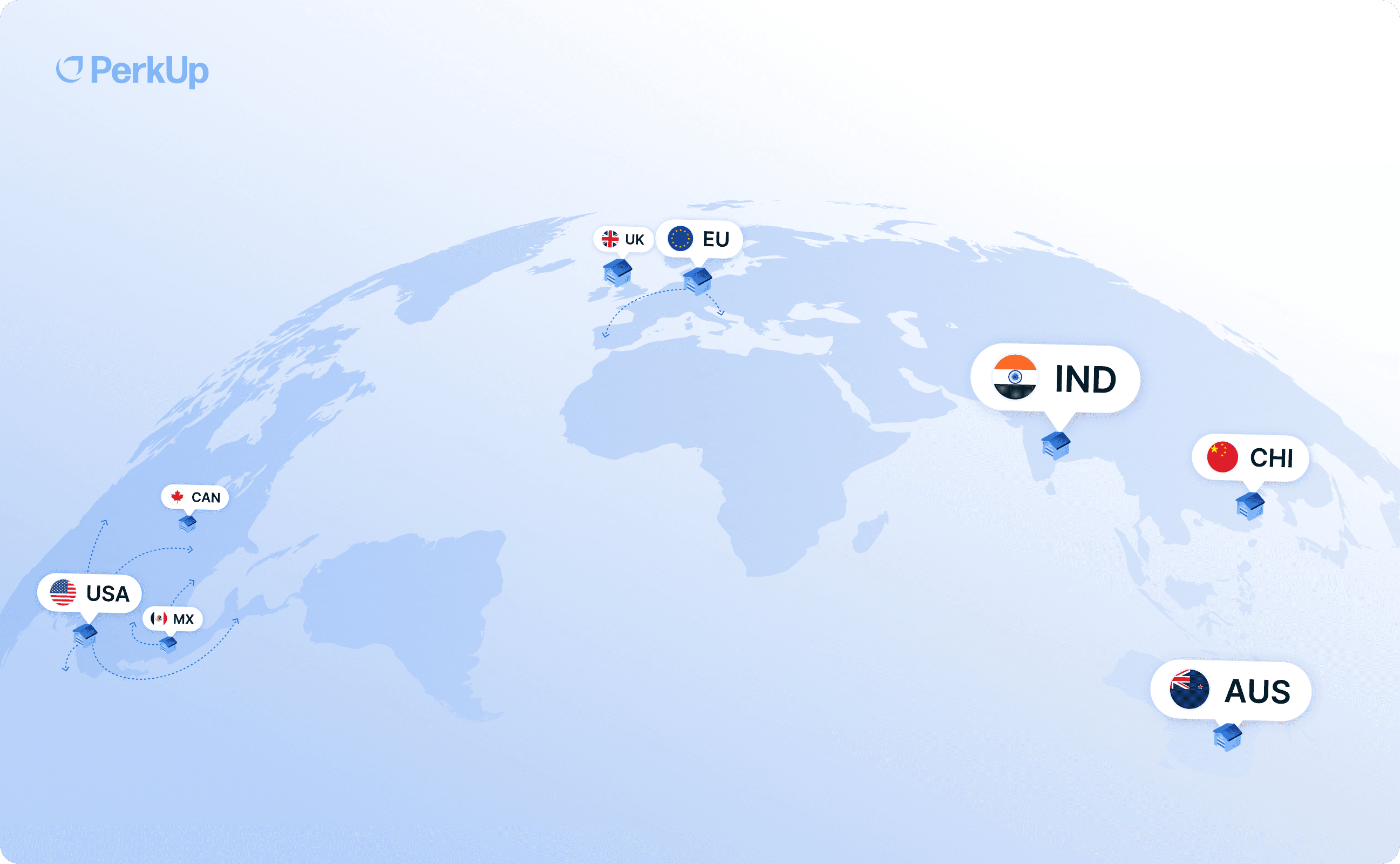
The HR team sends the draft to PerkUp's in-house design agency, and a designer returns with branded mockups for each item, including a neck label on the hoodie and a laser-etched logo on the tumbler. A few rounds of proofs later, the kit is approved, and bulk production starts on the items that need lead time. Because PerkUp sources from a warehouse and supplier network across the US, Canada, Mexico, the UK, Europe, India, China, and Australia, the London cohort's swag gets produced in the region rather than shipped across an ocean.
Four weeks later, the bulk items arrive at PerkUp warehouses and get kitted into final packages. The New York and Austin kits ship out to offices for in-person distribution on day one. The London kits ship domestically within the UK from PerkUp's European warehouse. The 15 US-based remote kits go out to home addresses, with duties prepaid, so nothing arrives with a surprise customs charge.
On kickoff day, the HR manager opens the PerkUp dashboard and sees every kit accounted for. Throughout the summer, when a manager wants to send a National Intern Day gift or recognize an intern for a standout project, they can do it through the same platform, whether that's On Demand swag for US-based interns or one of PerkUp's 5,000+ gift cards for the London cohort.
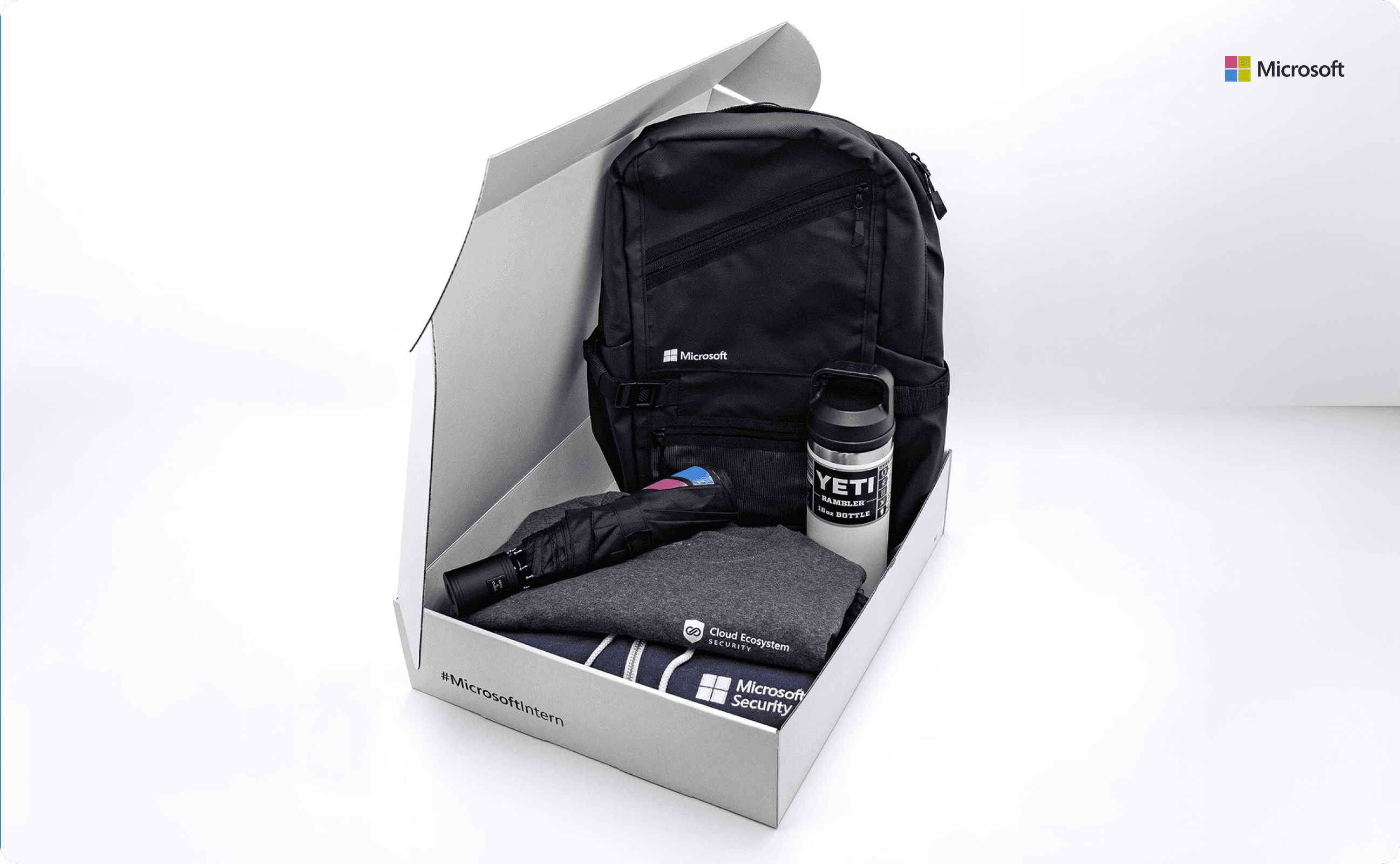
And this isn’t just theoretical! PerkUp partnered with Microsoft's Cloud Ecosystem Security team to launch their summer internship program with curated welcome kits that hit every category covered above: a Microsoft-branded backpack, a YETI Rambler insulated bottle, a compact umbrella, a co-branded Cloud Ecosystem Security long-sleeve t-shirt, and a Microsoft Security zip-up hoodie, all packed inside a custom #MicrosoftIntern kit box. The kits were produced in bulk, assembled at PerkUp's warehouses, and delivered to interns ahead of their start date, exactly the kind of high-volume, fixed-deadline coordination intern program kickoffs require.
The intern program kickoff is a small slice of what PerkUp is actually built for. Employee onboarding gifting, marketing event swag, global client appreciation, and automated milestone rewards all run through the same platform, which is why HR teams that start with a single intern cohort tend to keep using it long after the summer ends.
Conclusion
A good intern program kickoff is a planning exercise disguised as a party. The interns see the party. HR sees the planning. When both sides are done well, interns leave the summer feeling like they were expected, valued, and worth investing in, which is the feeling that turns summer hires into full-time hires a year later.
If you're gearing up for your next intern cohort and want help turning the planning into execution, book a PerkUp demo to see how your kit could come together.
Frequently Asked Questions about Intern Program Kickoffs
How much lead time do we need for intern swag?
Plan for about five weeks if you're ordering bulk swag, which covers production, kitting, and approval on proofs. On Demand swag is quicker, at around two weeks. Most teams start three months out to leave a buffer for headcount changes, reorders, and the occasional proof that needs another round.
What's a typical budget for an intern welcome kit?
Budgets vary, but a standard kit tends to land between $75 and $200 per intern, depending on the item mix. Kits with premium apparel or branded backpacks push higher. Kits built around a few standout pieces and a tighter extras list stay efficient without feeling skimpy.
Can we send intern welcome kits to interns in different countries?
Yes. Sourcing locally wherever possible cuts shipping time, cross-border fees, and emissions. Platforms with global warehouse and supplier networks across the US, UK, Europe, India, and Asia Pacific can produce items near each intern's region and ship domestically, so a London intern gets their kit as quickly as a New York one.
Should we order the same kit for every intern or let them choose?
Most programs default to a curated kit for the kickoff because it creates a shared experience: every intern opens the same box and feels part of the same cohort. Letting interns pick additional swag later in the summer, through a store or a points-based system, adds personalization without diluting the kickoff moment.
Can we mix On Demand and bulk items in the same intern kit?
Yes, and most teams do. Bulk works well for items with consistent sizing and high quantities, like drinkware, notebooks, or tote bags. On Demand makes sense for apparel where sizing is unpredictable, or for smaller cohorts where bulk minimums don't justify the order. Note that kits ship from separate kitting facilities, so kits themselves are not On Demand.
Can we automate intern welcome kit shipping through our HRIS?
Yes. Swag platforms with HRIS integrations to systems like BambooHR, Rippling, and ADP can trigger welcome kit shipments automatically based on intern start dates, eliminating the need to chase addresses and manually queue orders. Sizing fields can be added as custom HRIS attributes or collected via automated pre-arrival emails.
What does setup look like for a first-time intern swag program?
Most swag management platforms launch in two to three weeks for a first-time program, including catalog setup, branded design proofs, and HRIS integration where applicable. A dedicated customer success manager typically handles the rollout, with a Slack Connect channel for direct communication during the kickoff window.